PODCASTS > Arcat Detailed Podcast Episode
143: Ecological Design | Davis Center for Human Ecology at College of the Atlantic
1h 13m 59s |
In this episode, Cherise is joined by Timothy Lock, AIA, Management Partner at OPAL Architecture in Belfast, Maine. They discuss the Davis Center for Human Ecology, College of the Atlantic in Bar Harbor, Maine.
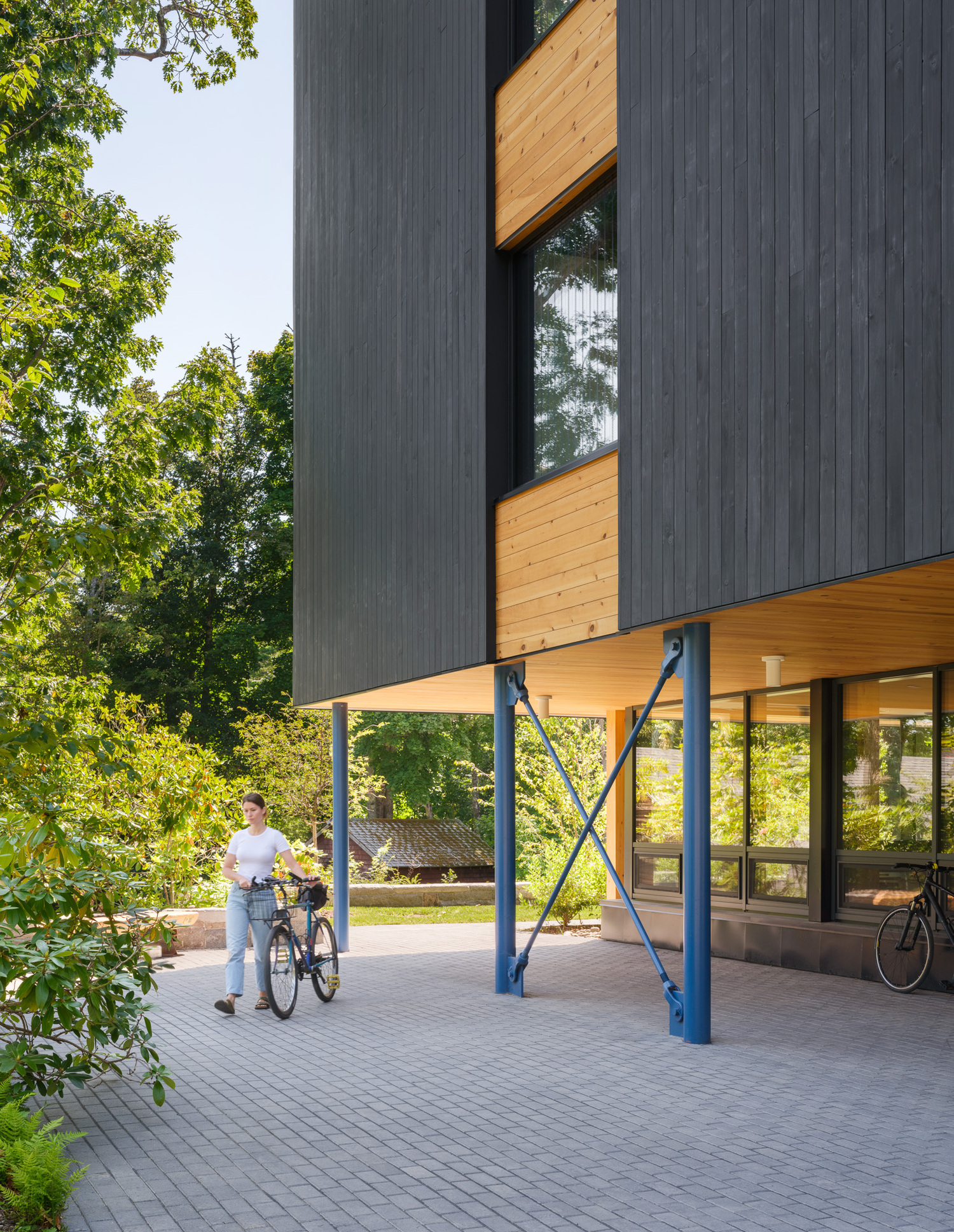
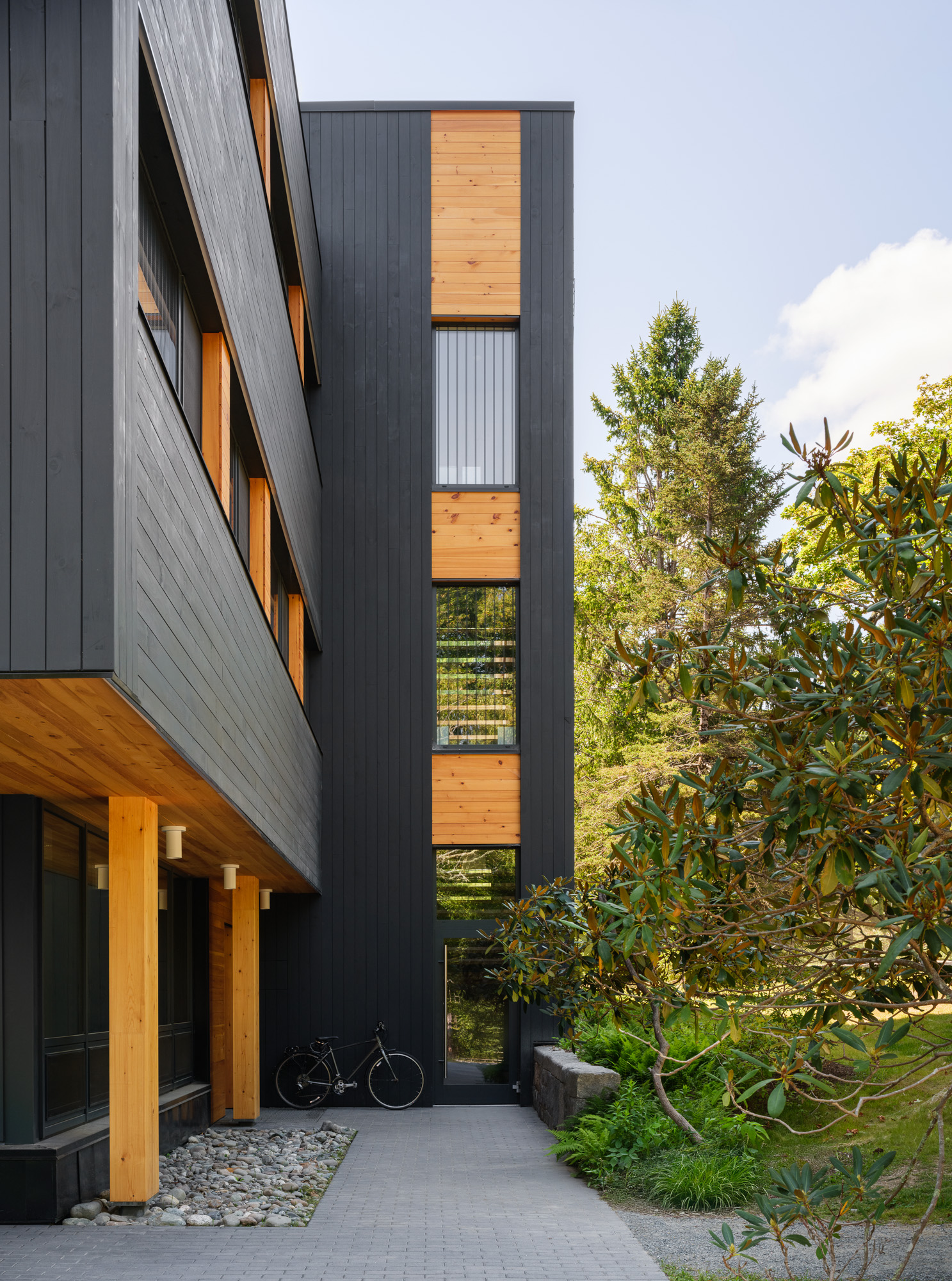
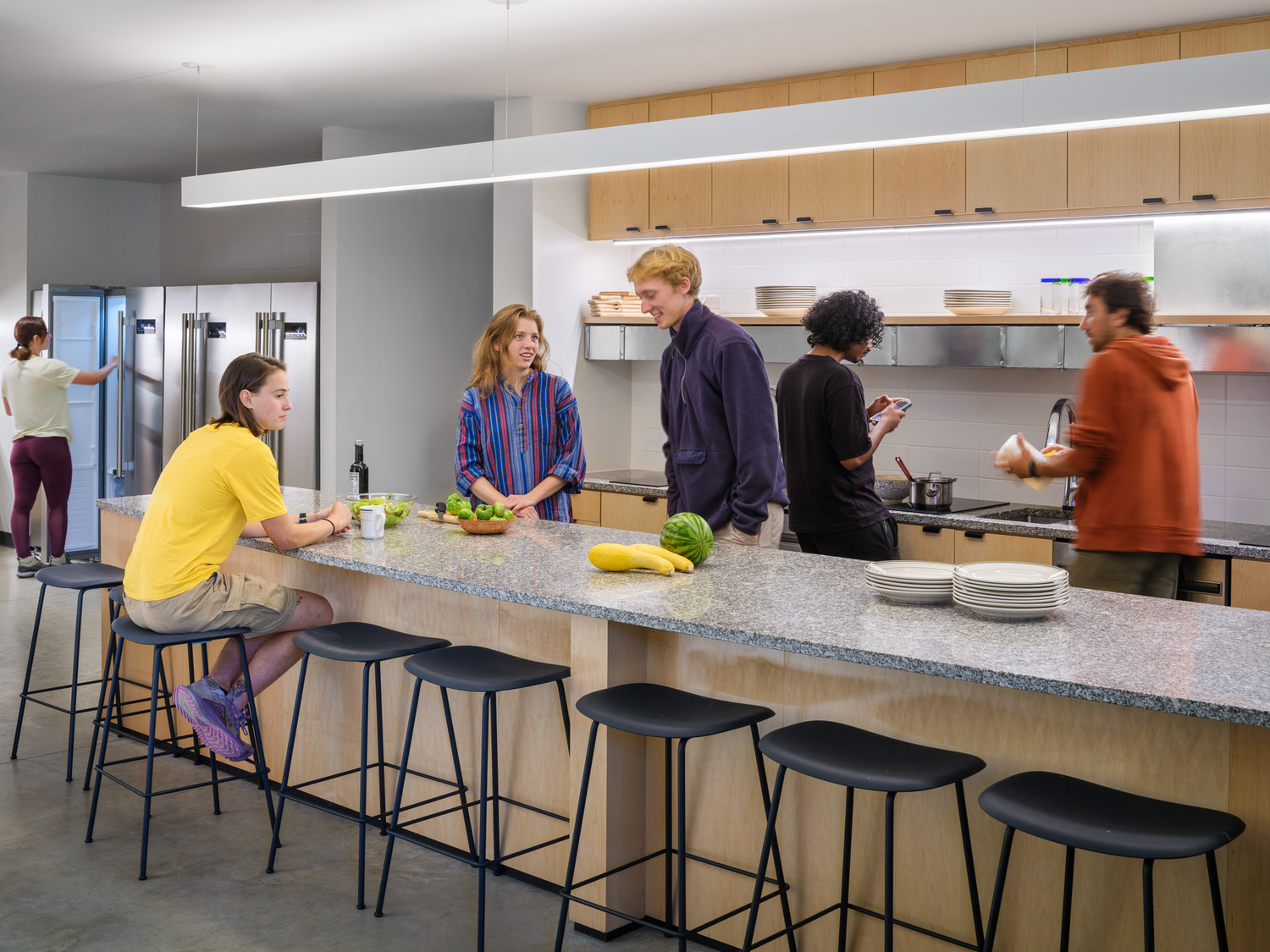
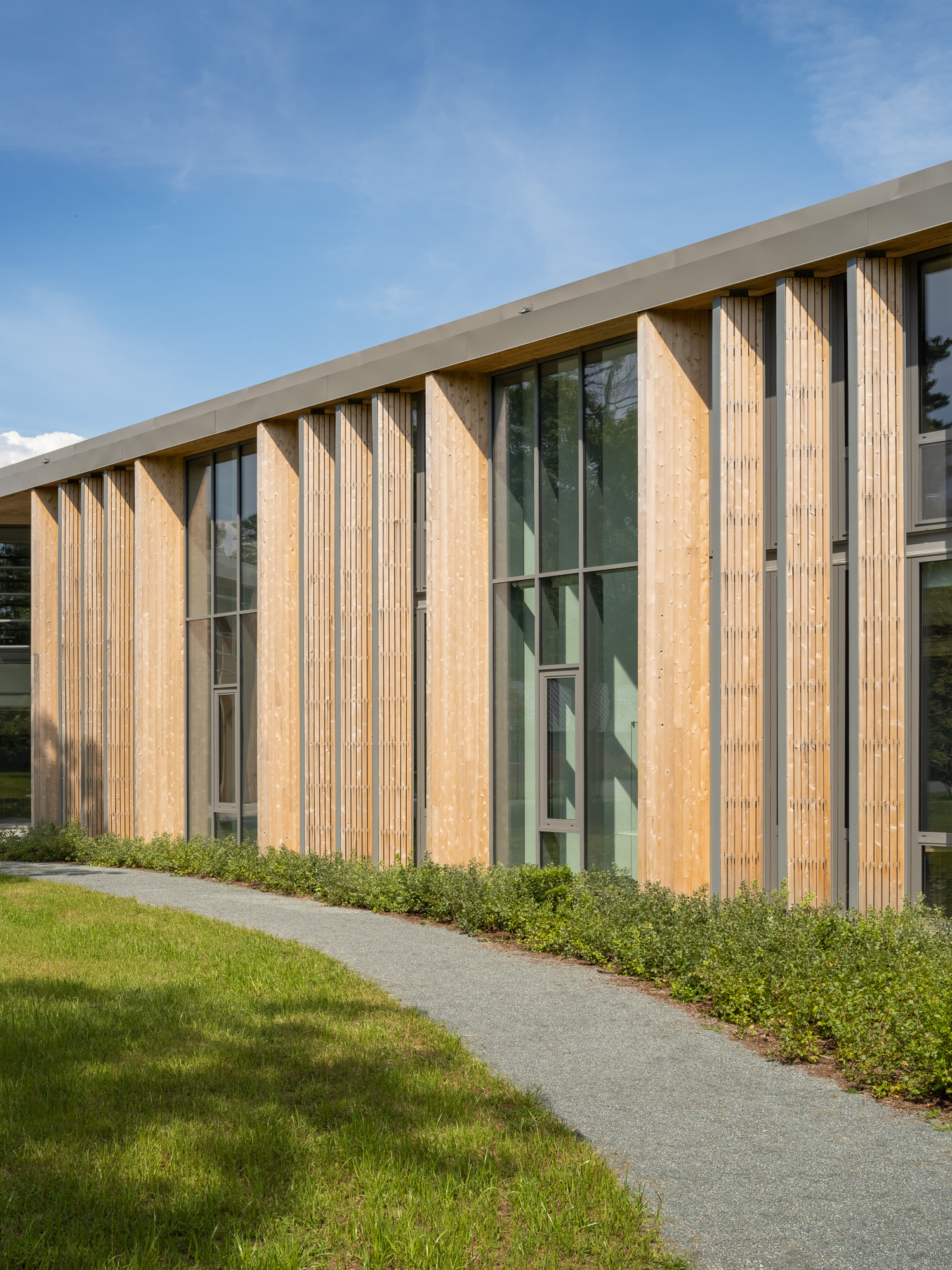
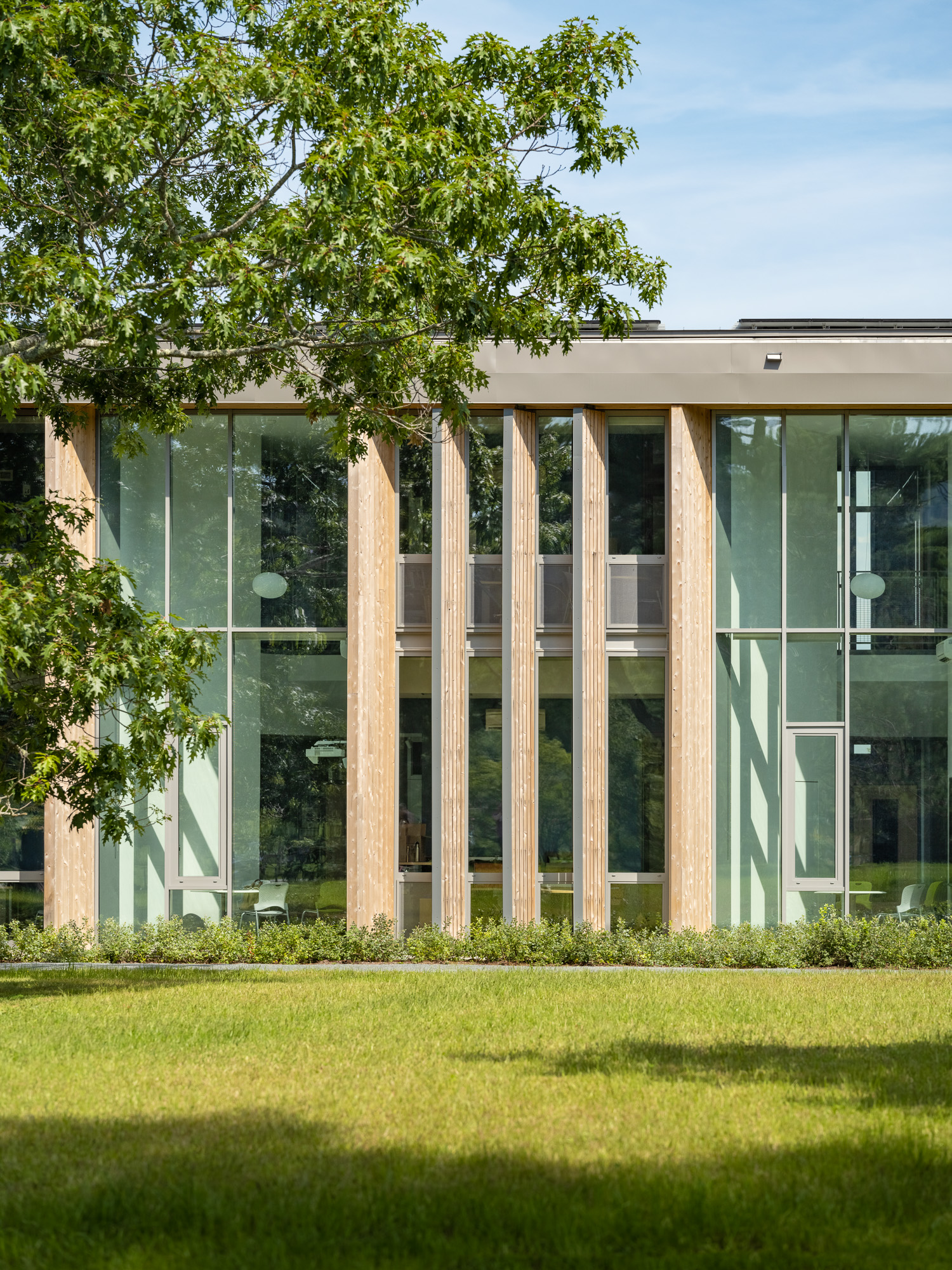
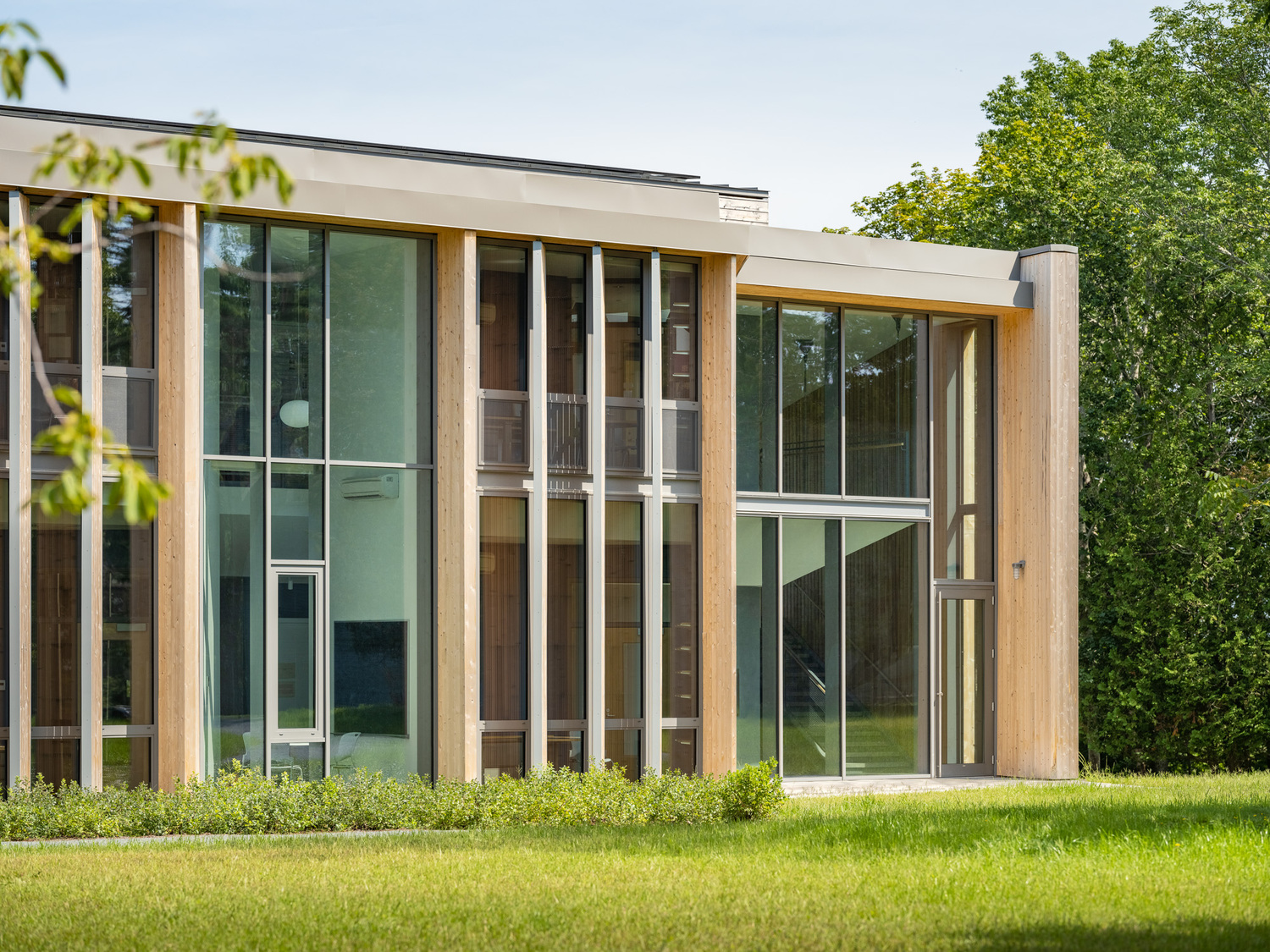
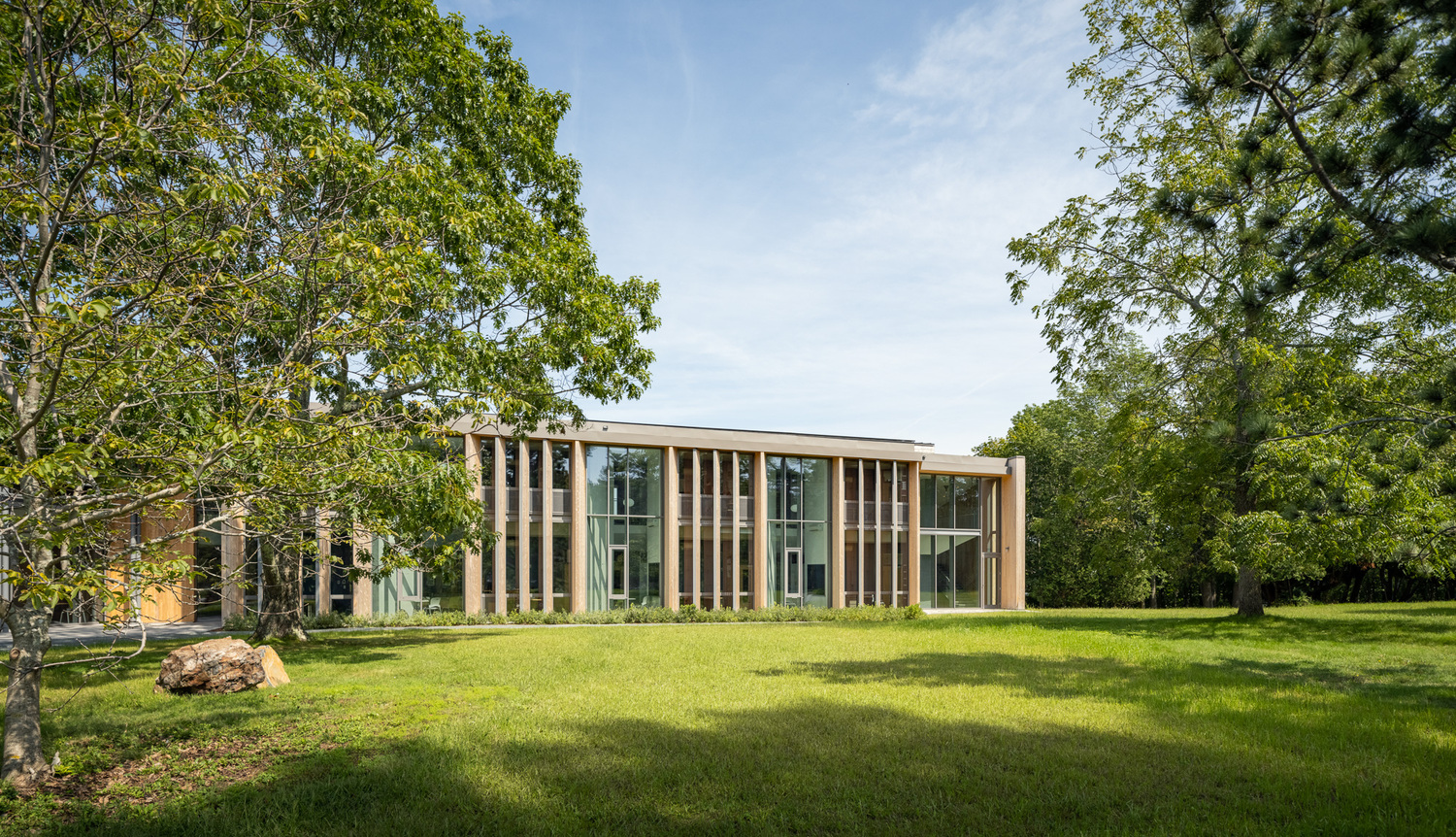
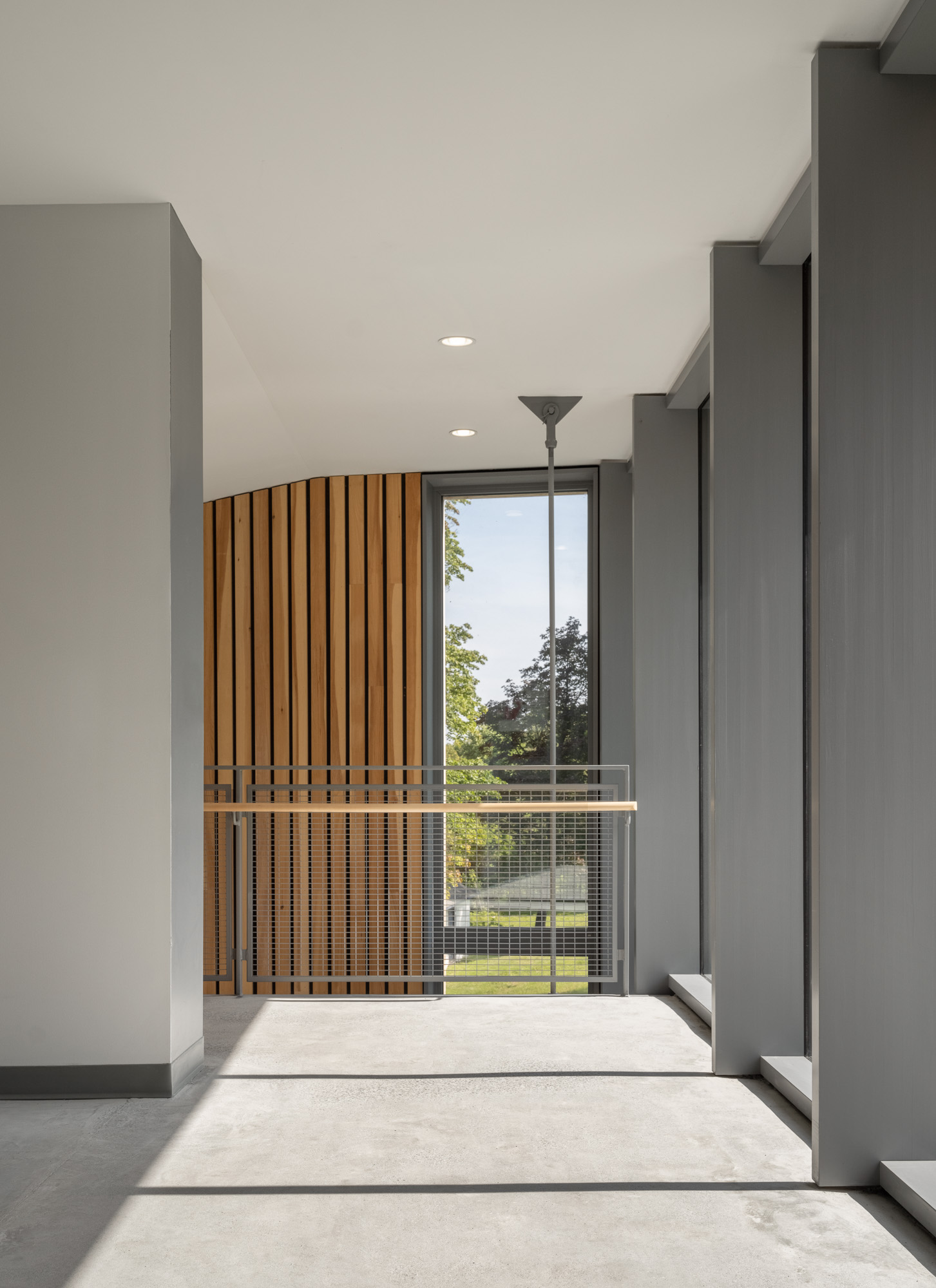
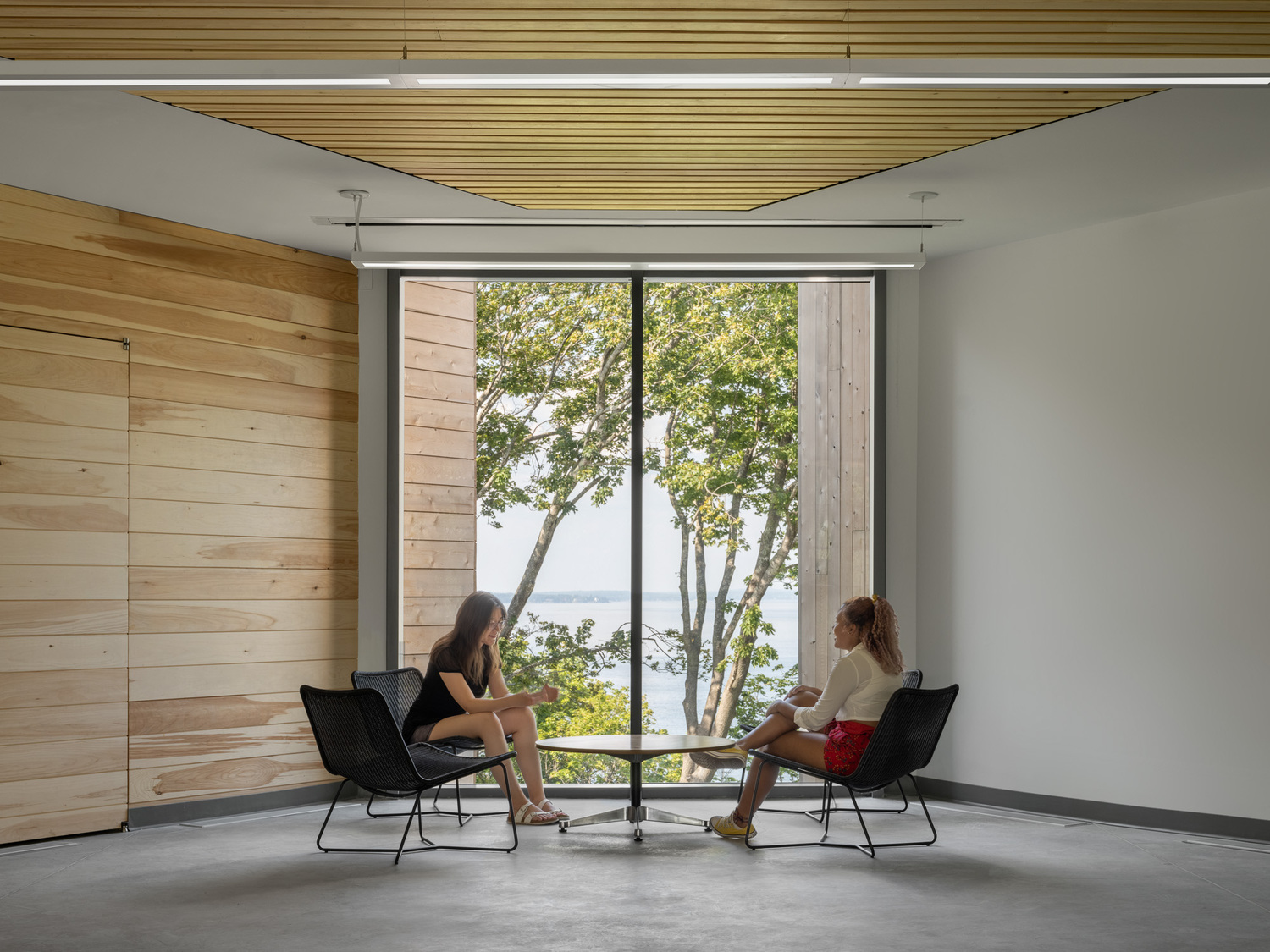
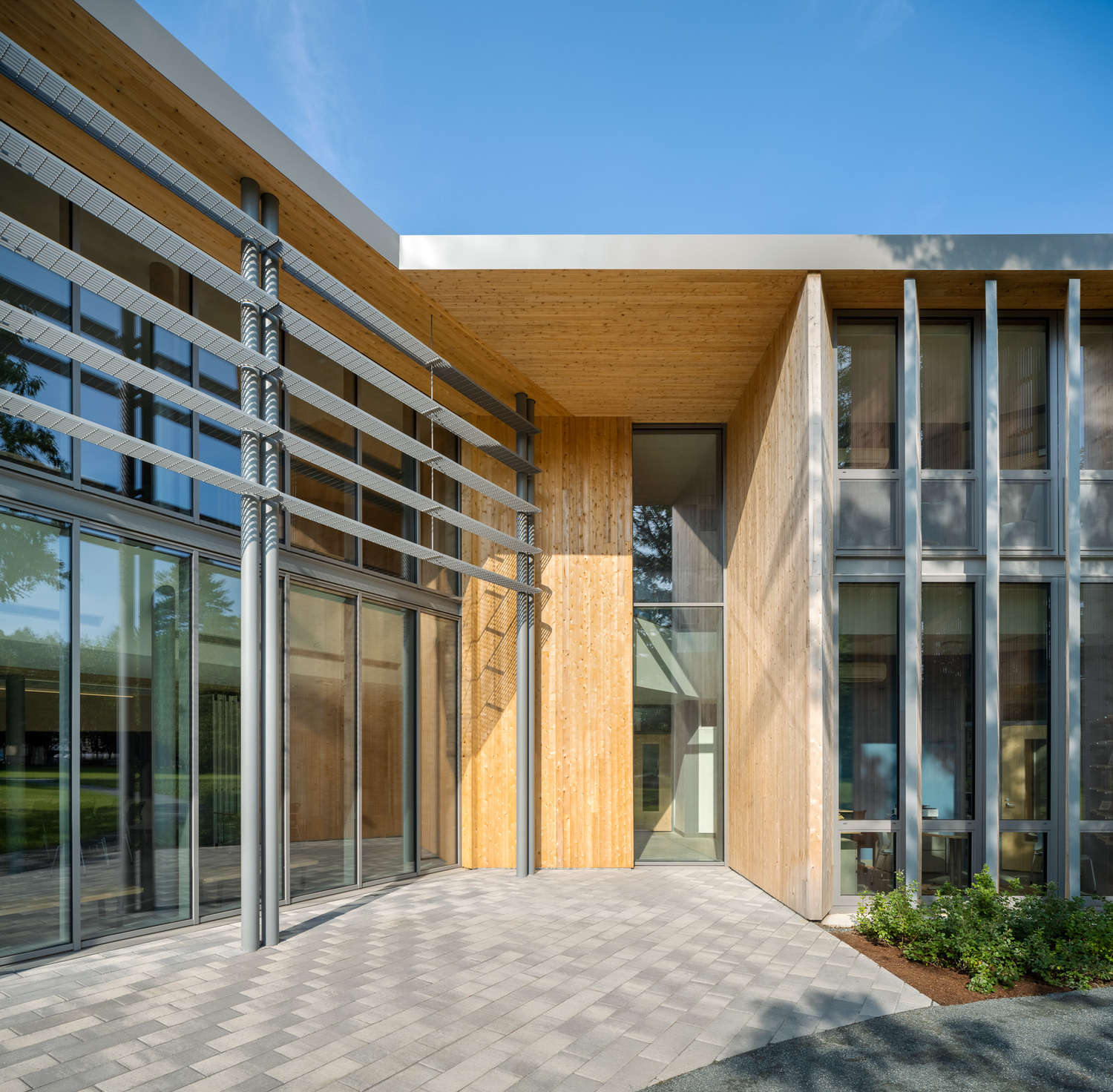
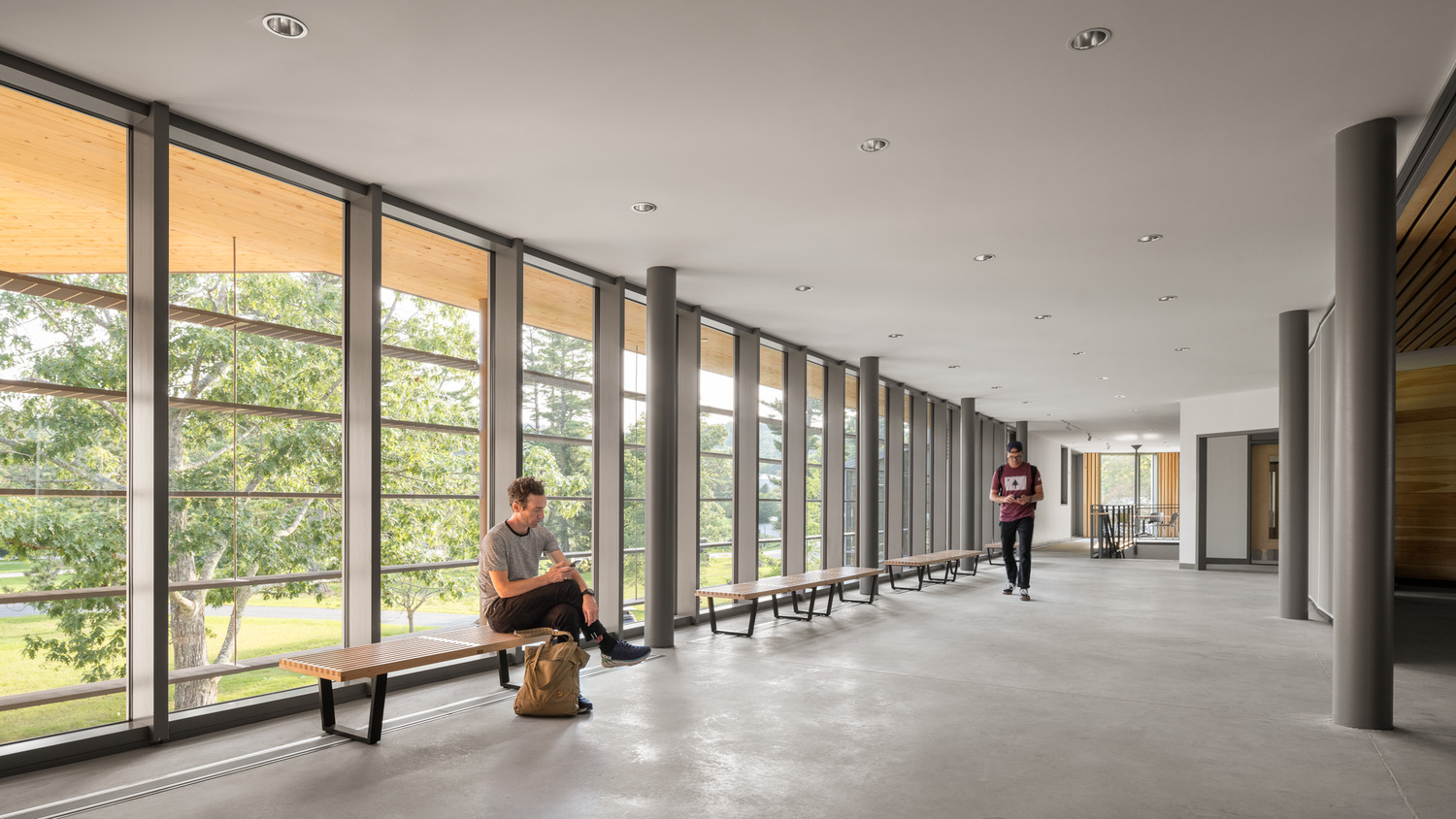
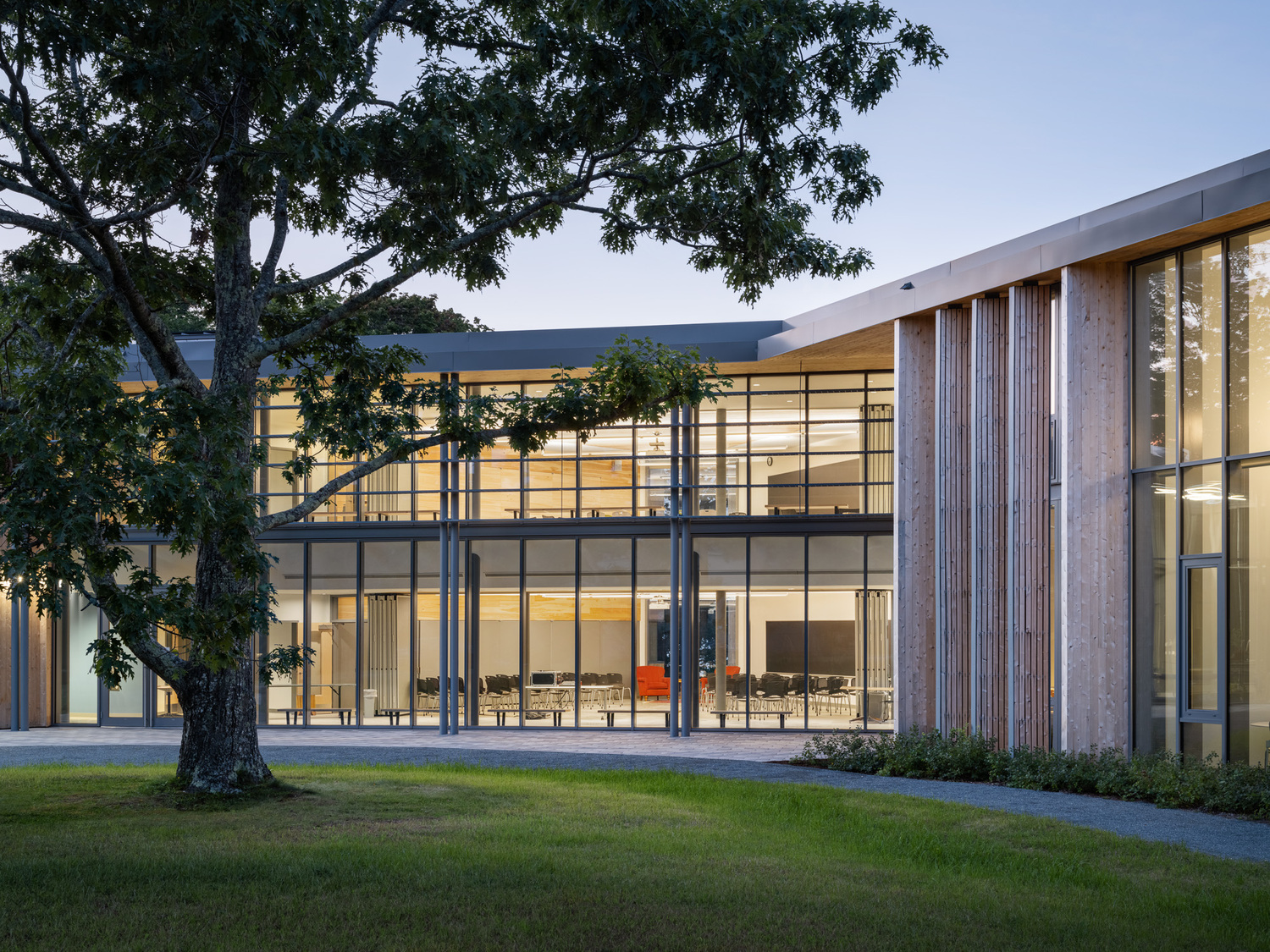
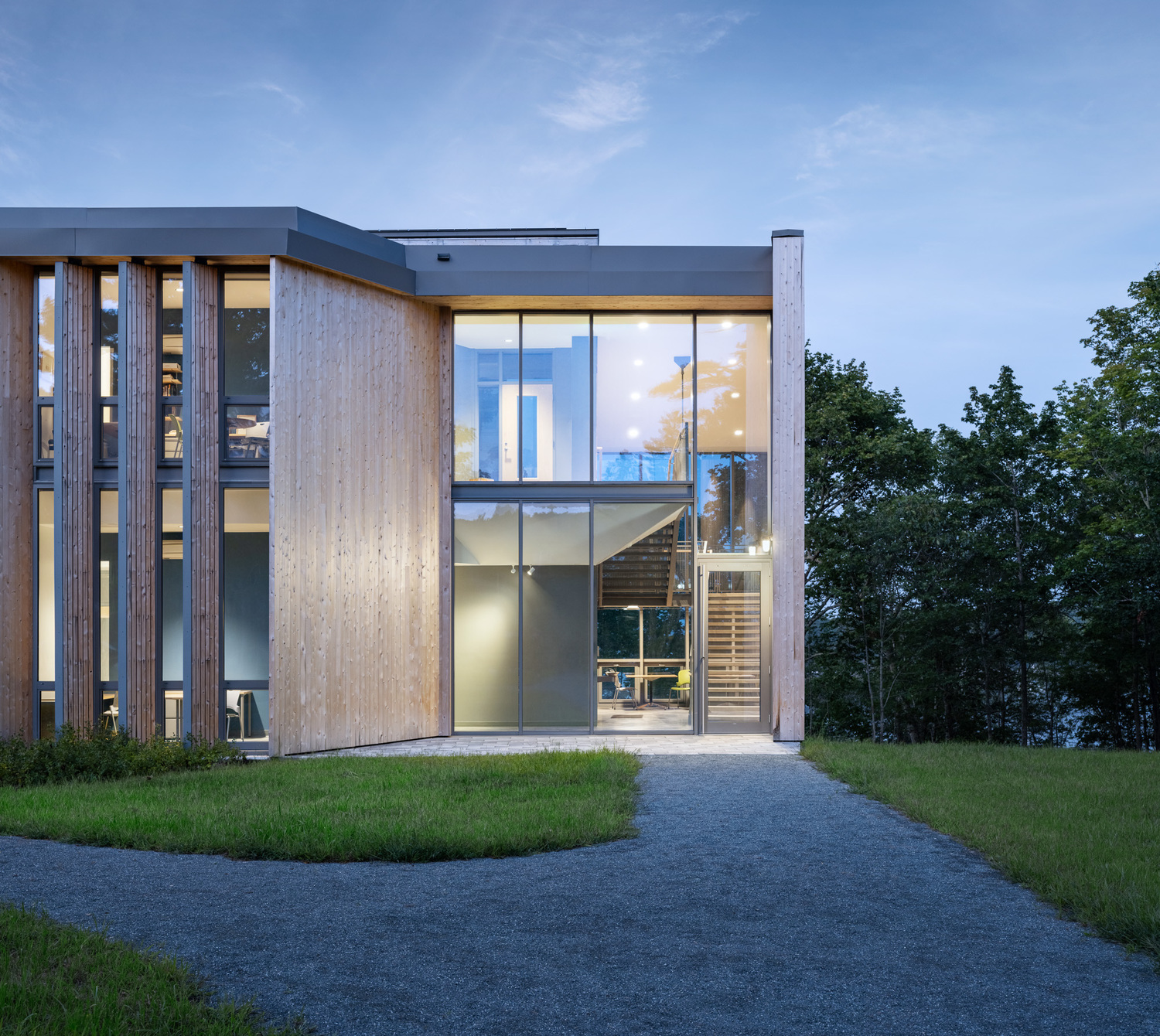
Set along the oceanfront at College of the Atlantic in Bar Harbor, Maine, the Davis Center for Human Ecology is more than a place to study—it’s a built reflection of the college’s mission to live in harmony with the natural world. Created in partnership with Susan T. Rodriguez | Architecture • Design, the building weaves together classrooms, laboratories, art studios, offices, and a greenhouse, fostering cross-disciplinary connections in a single, vibrant hub.
Set along the oceanfront at College of the Atlantic in Bar Harbor, Maine, the Davis Center for Human Ecology is more than a place to study—it’s a built reflection of the college’s mission to live in harmony with the natural world. Created in partnership with Susan T. Rodriguez | Architecture • Design, the building weaves together classrooms, laboratories, art studios, offices, and a greenhouse, fostering cross-disciplinary connections in a single, vibrant hub.
Click here for the extended length interview on YouTube
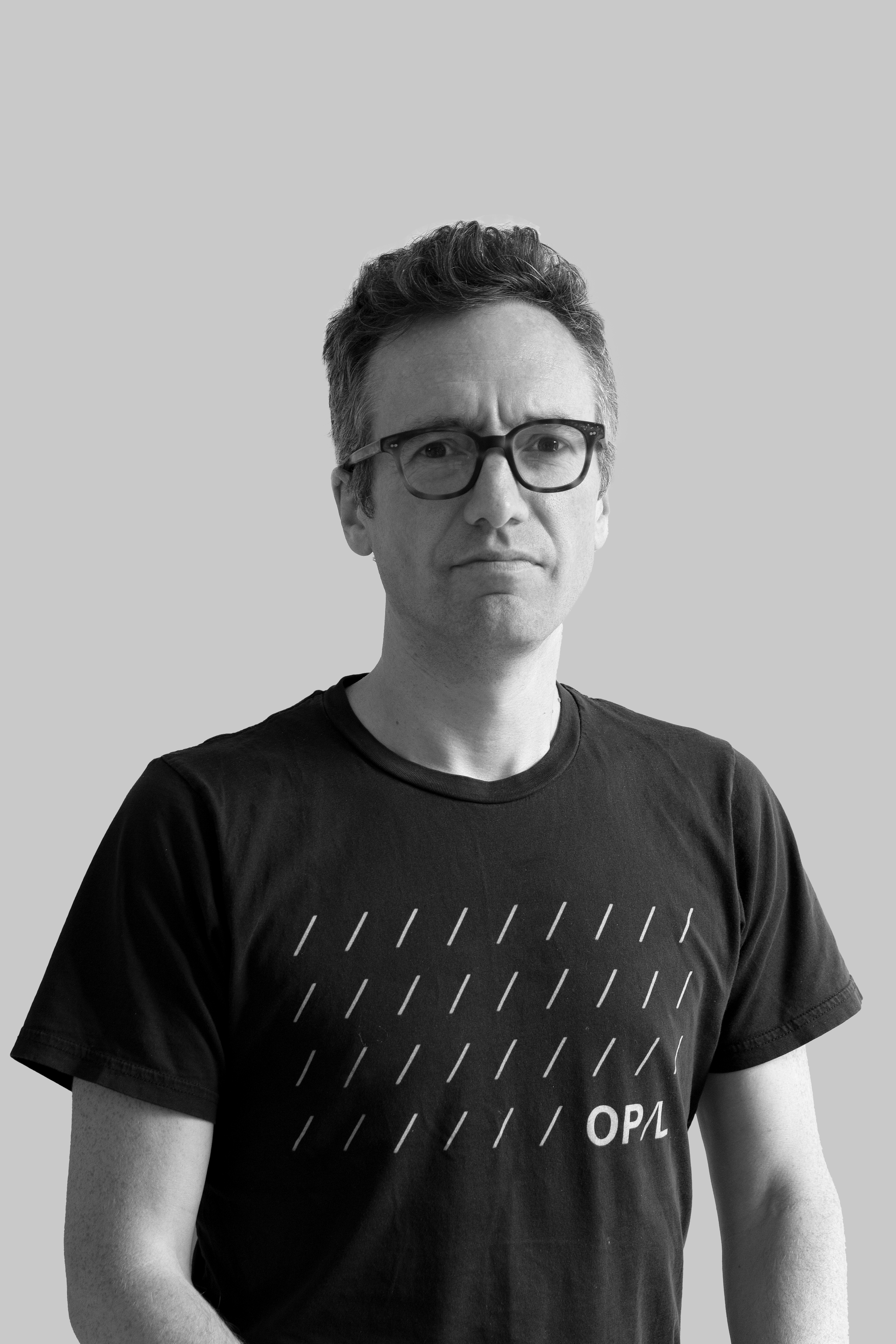










Timothy Lock, AIA, is an architect, educator, and advocate leader in ecological design
whose work advances a more resourceful and resilient built environment. As Management
Partner at OPAL, he leads the firmâs largest and most technically demanding institutional
projects, while guiding its overarching approach to climate action and building ecology. He is the
author of The Dimensions of Building Ecology, OPALâs proprietary design framework, which
measures human impact across five key areas: emissions, materials, water, ecosystems, and
human health.
Timothy's work reflects a belief that architecture must be both ecologically grounded and
socially transformational. His work includes many award-winning projects, such as Davis Center
for Human Ecology at College of the Atlantic, the Passive House-certified Warren Woods
Ecological Field Station for the University of Chicago, and challenging institutional projects such
as Waring School and Chewonkiâall of which integrate advanced energy performance with
deep and broad ecological requirements.
He received his professional degree in architecture with honors from Syracuse University and
practiced in New York City for ten years before returning to Maine, his childhood home. Timothy
serves on the AIA Maine Board of Directors, the AIA National Strategic Council as chair of the
Climate study group, served as Co-Chair of the AIA Maine Committee on the Environment for
eight years, and led a group of architects advising the Biden-Harris administration on definitions
and pathways to Zero Emissions Buildings.
Designed in collaboration with Susan T. Rodriguez | Architecture ⢠Design, the Davis
Center for Human Ecology at College of the Atlantic is a landmark in low-carbon,
climate-responsive academic architecture. Drawing from COAâs environmentally focused,
interdisciplinary curriculumâand the rich history and ecology of its oceanfront campus on Mount
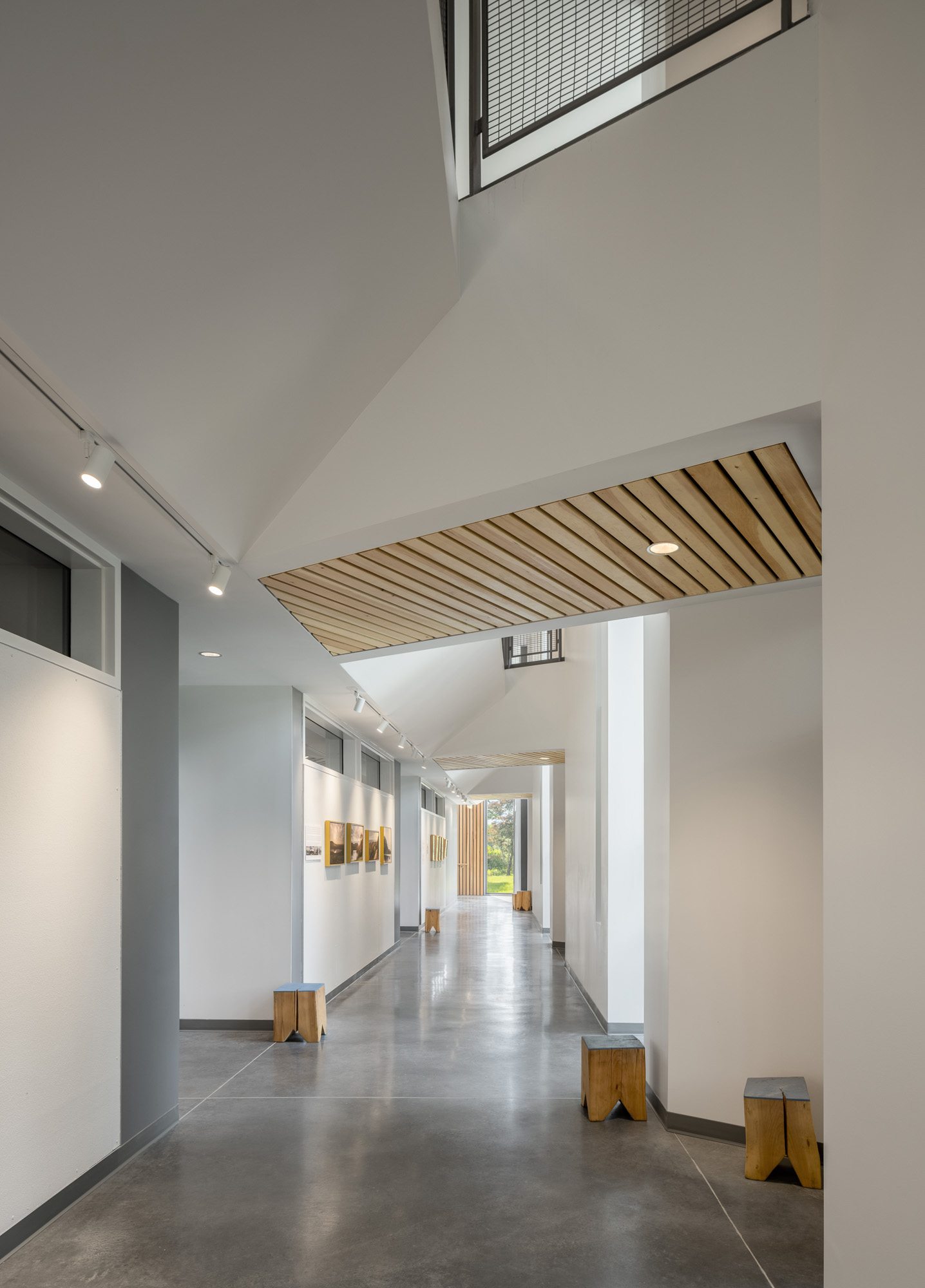
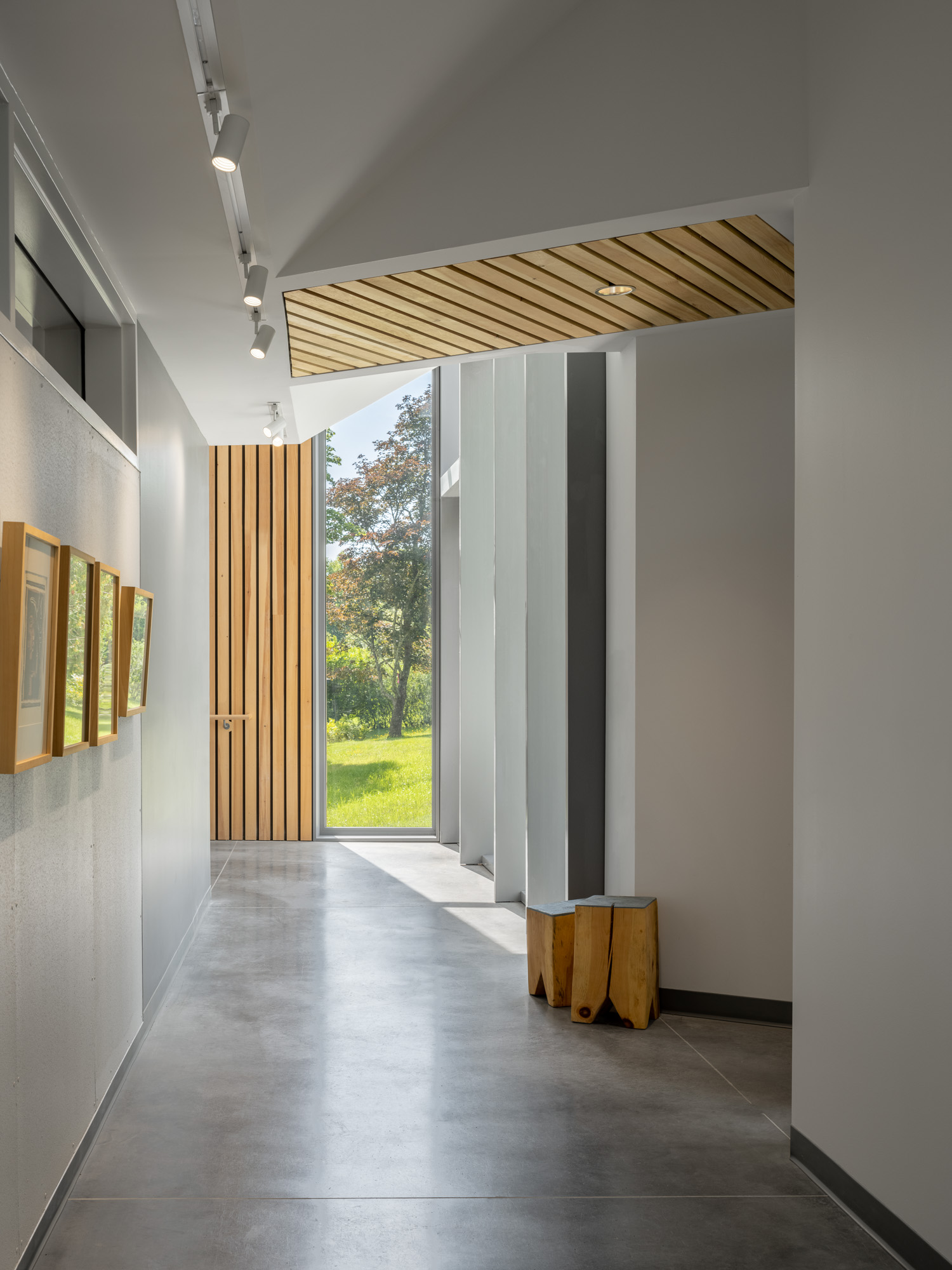
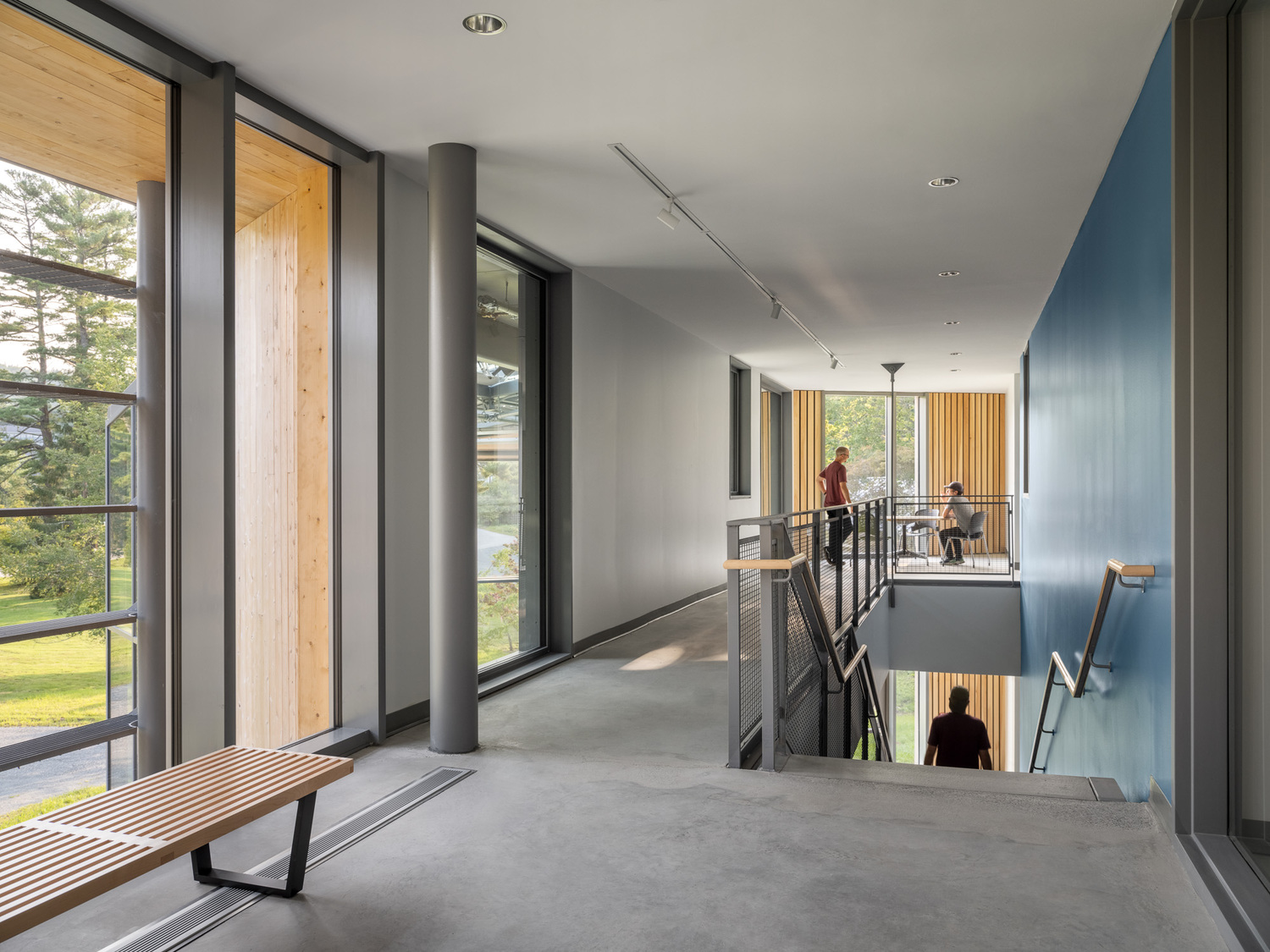
Desert Islandâthe building extends a central spine of circulation and gathering spaces toward
Frenchman Bay, linking the campus more directly with its coastal edge.
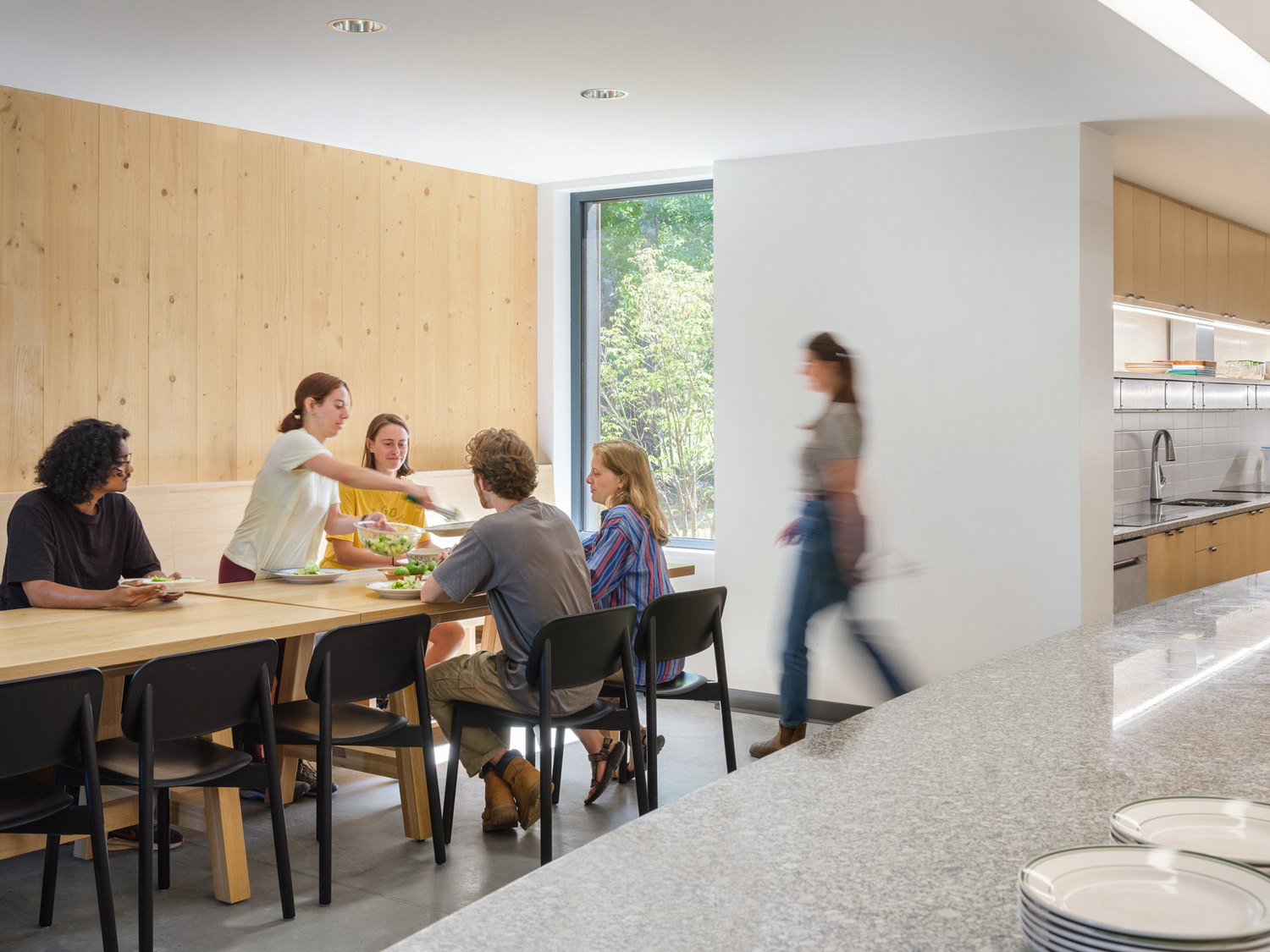
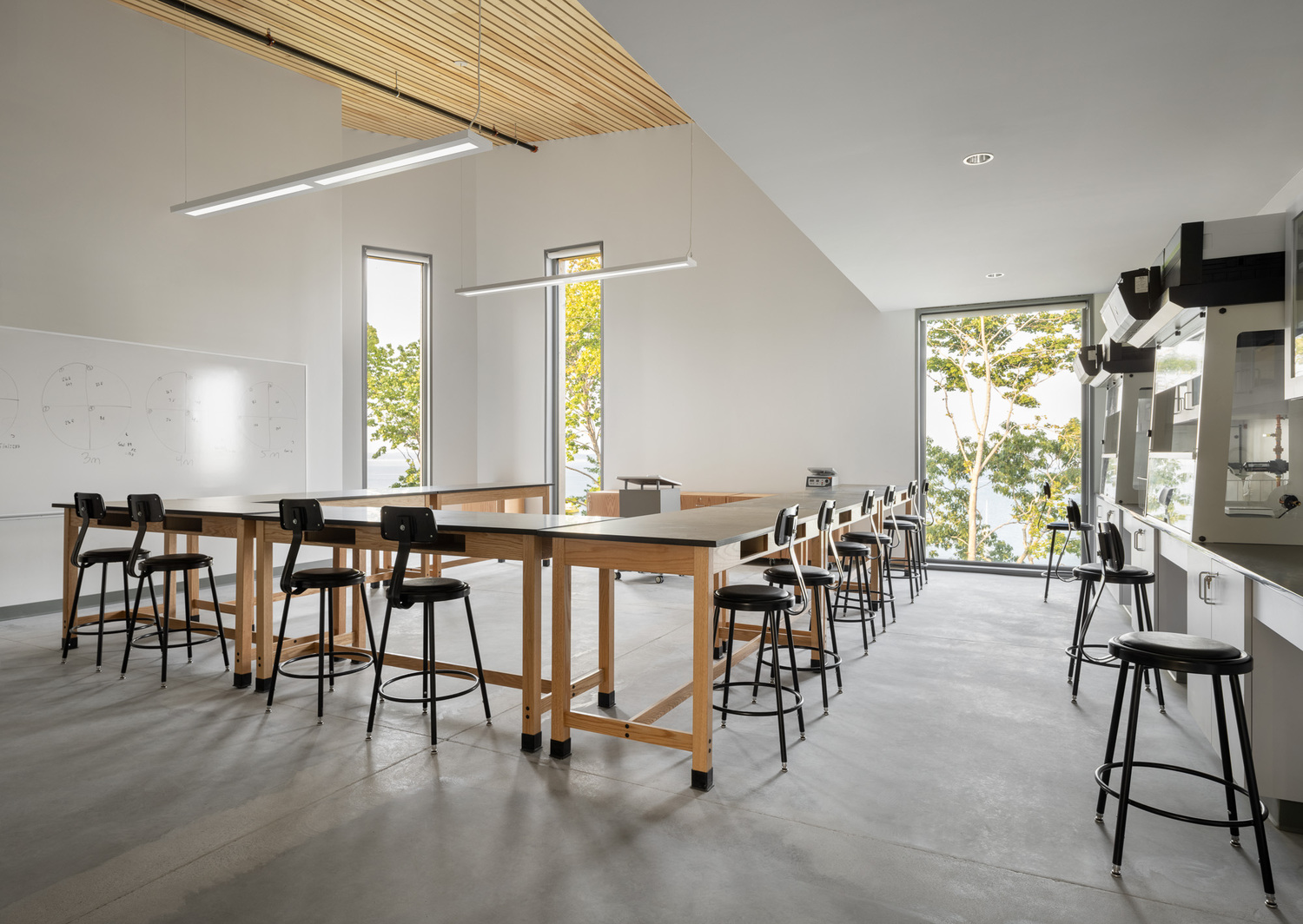
Programmatically, the building houses a diverse mix of uses, including fine art and media
studios, teaching and research laboratories, offices, classrooms, and a greenhouse. Its
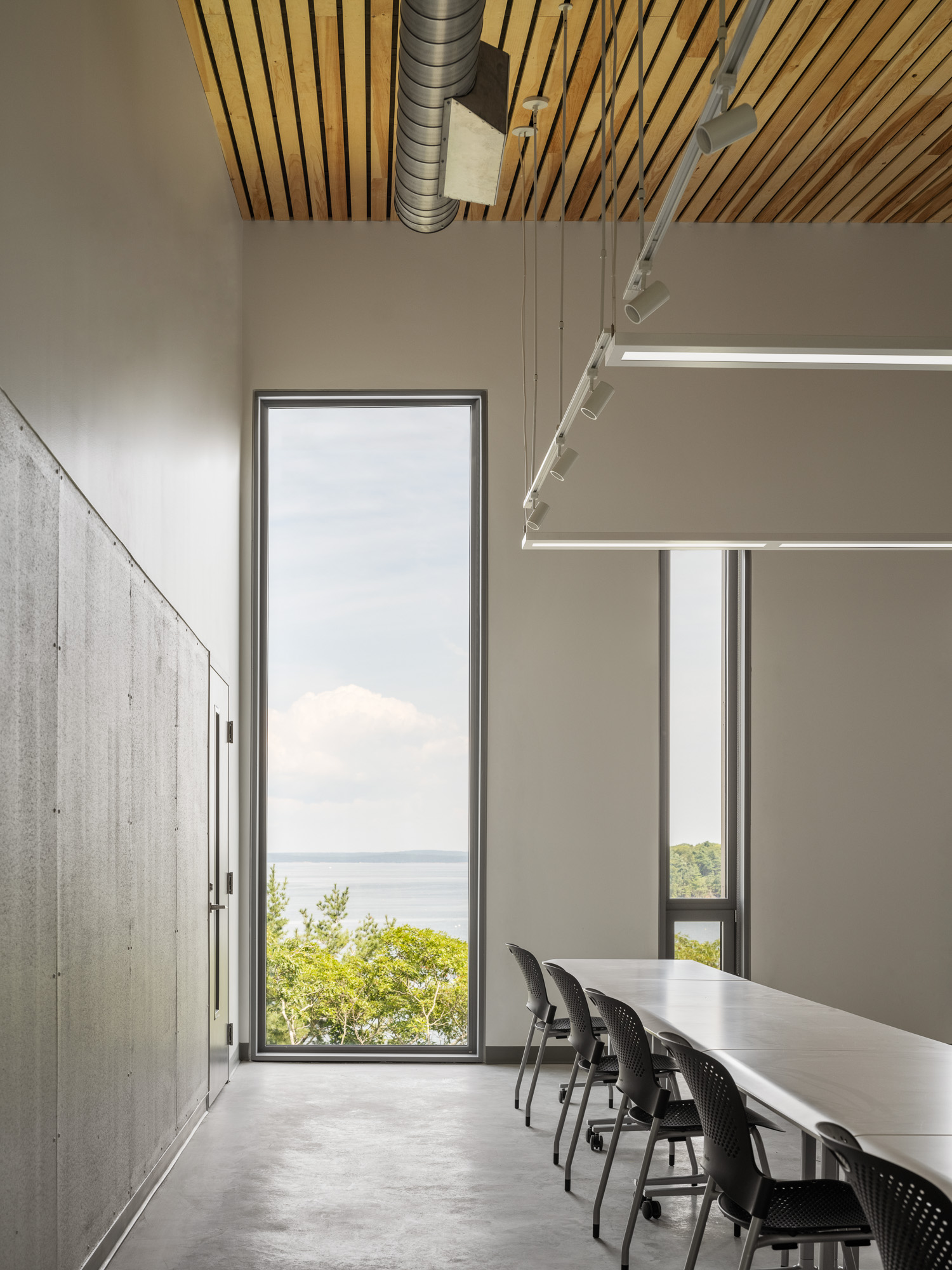
L-shaped plan maximizes exposure to ocean views and natural light while framing a campus
green that serves year-round for ceremonial and outdoor events. The ground and upper floors
connect zoology and botany labs to the greenhouse, forming a cohesive suite of science and
research spaces. Adjacent wings house general science, chemistry, and geology labs alongside
creative arts studios, reflecting the collegeâs interdisciplinary ethos and fostering unexpected
collaborations between fields.
The Davis Center was designed to meet the German Passive House standard, achieving
an 80% reduction in energy use compared to conventional buildings. After two years of
occupancy, its measured Energy Use Intensity (EUI) is 13 kBTU/sf/year, just above the
predicted EUI of 11âan exceptional performance for a building combining classrooms with labs
for high-intensity functions such as large marine mammal dissection. A high-capacity, 100%
fresh air, energy recovery ventilation system ensures continuous air supply across diverse
program areas while minimizing heating and cooling loads. Passive solar gain through carefully
shaded south-facing glazing supplements winter heating, radically reducing the burden on
mechanical systems.
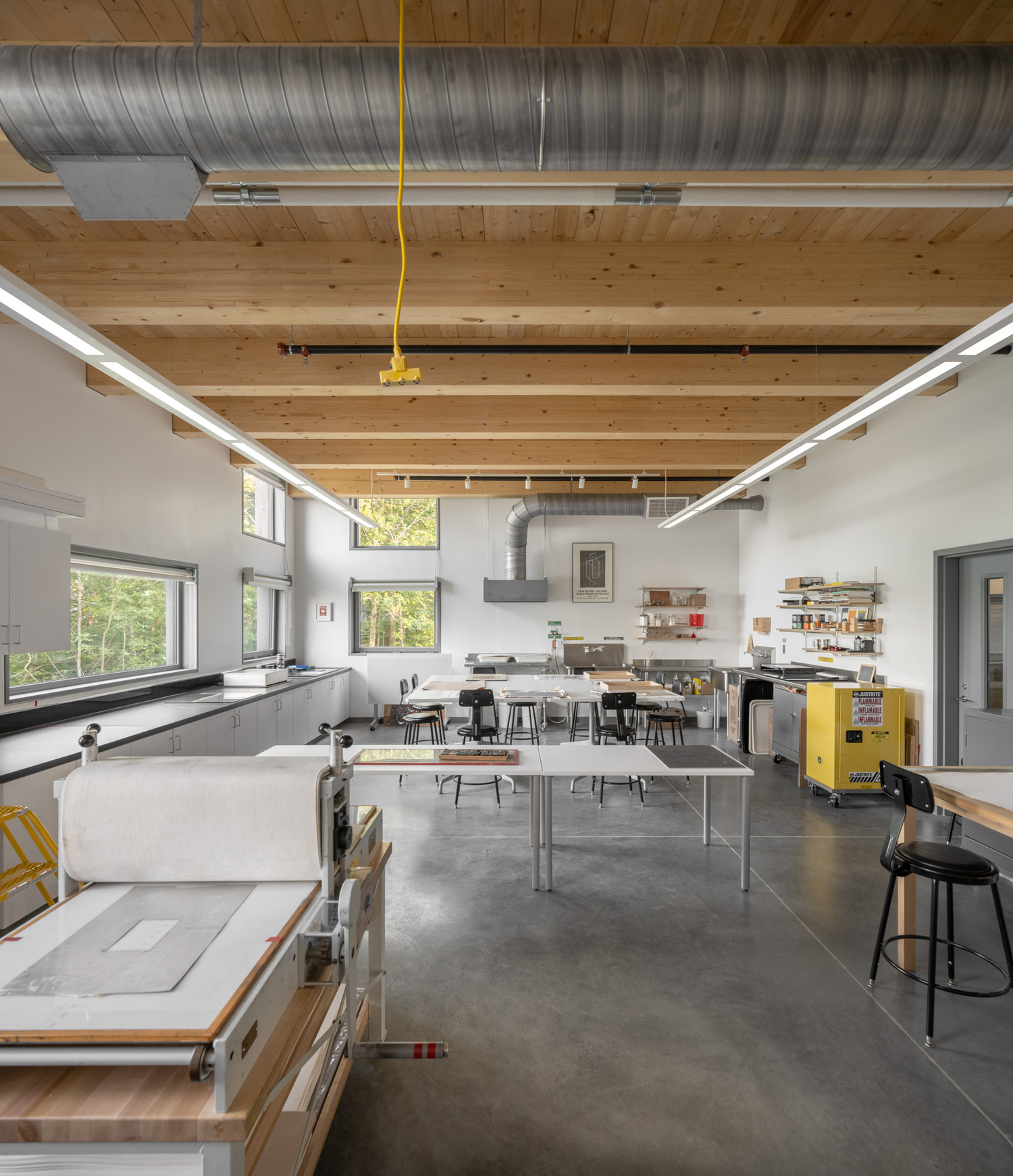
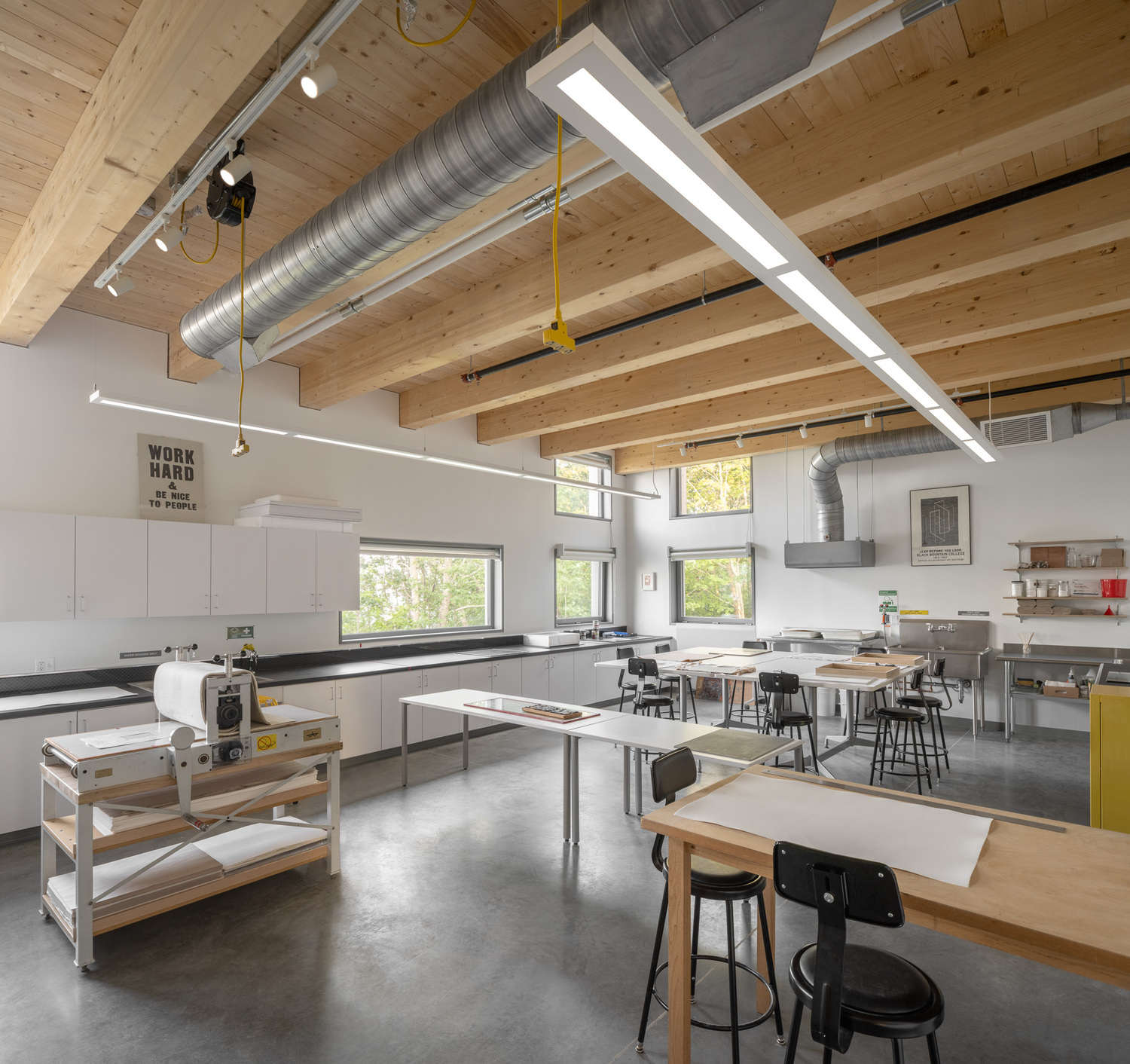
Material and structural strategies were selected to dramatically reduce embodied carbon
and foreground a local, bioregional aesthetic. The structure is entirely wood: glulam beams
and columns support solid local spruce decking. Bird-safe glazing, locally sourced and largely
unfinished interior materials, and wood fiber insulation contribute to a reduced carbon footprint
and create a tactile, climate-conscious interior environment. The building was an early
case-study for all bio-based insulation as well, aligning with the structural system through use of
wood fiber insulation throughout. The project was built on a previously disturbed site, ensuring
no disruption of undisturbed ecology, and manages 100% of stormwater on-site without reliance
on municipal infrastructure.
The Davis Center exemplifies the goals of, and helped establish, OPALâs Dimensions of
Building Ecology framework, addressing not only holistic emissions but also material
circularity, ecosystem protection, water autonomy, and human well-being. As both a pedagogical
tool and a physical embodiment of COAâs values, the building is a model for how architecture
can support academic inquiry while advancing climate action and ecological stewardship.
Project Team List (i.e. Owner, Consultants, Engineers, Contractors, etc.): Note: We have a large
listener base. The more firms we can tag in social media about the episode, the more exposure for your
project and firm.
Architecture: Susan T. Rodriguez Architecture Design & OPAL
Owner: College of the Atlantic
Ecological Strategy: OPAL
Structural Engineer: Tylin/Silman
MEP and Fire Protection Engineer: Van Zelm Associates
Landscape Architect: Michael Boucher Landscape Architecture
Civil Engineer: Hedefine Engineering
Lighting Designer: Brandston Partnership Inc.
AV/IT, Acoustical Consultant: Harvey Marshal Berling
Contractor: E.L. Shea
Curtain Wall and Fenestration/Glazing: Unilux/Ornilux Bird-Safe
Wood Fiber Insulation: Gutex
Mass Timber Glulam: Goodlam
HVAC: Daikin/custom ERV
Door Hardware: Schlage
Paint: Sherwin Williams
Photo Credit: Trent Bell Photography, Jen Holt
Timothy Lock, AIA, Management Partner, OPAL
Timothy Lock, AIA, is an architect, educator, and advocate leader in ecological design
whose work advances a more resourceful and resilient built environment. As Management
Partner at OPAL, he leads the firmâs largest and most technically demanding institutional
projects, while guiding its overarching approach to climate action and building ecology. He is the
author of The Dimensions of Building Ecology, OPALâs proprietary design framework, which
measures human impact across five key areas: emissions, materials, water, ecosystems, and
human health.
Timothy's work reflects a belief that architecture must be both ecologically grounded and
socially transformational. His work includes many award-winning projects, such as Davis Center
for Human Ecology at College of the Atlantic, the Passive House-certified Warren Woods
Ecological Field Station for the University of Chicago, and challenging institutional projects such
as Waring School and Chewonkiâall of which integrate advanced energy performance with
deep and broad ecological requirements.
He received his professional degree in architecture with honors from Syracuse University and
practiced in New York City for ten years before returning to Maine, his childhood home. Timothy
serves on the AIA Maine Board of Directors, the AIA National Strategic Council as chair of the
Climate study group, served as Co-Chair of the AIA Maine Committee on the Environment for
eight years, and led a group of architects advising the Biden-Harris administration on definitions
and pathways to Zero Emissions Buildings.
Project Name and Location: Davis Center for Human Ecology, College of the Atlantic, Bar Harbor, Maine
Designed in collaboration with Susan T. Rodriguez | Architecture ⢠Design, the Davis
Center for Human Ecology at College of the Atlantic is a landmark in low-carbon,
climate-responsive academic architecture. Drawing from COAâs environmentally focused,
interdisciplinary curriculumâand the rich history and ecology of its oceanfront campus on Mount
Desert Islandâthe building extends a central spine of circulation and gathering spaces toward
Frenchman Bay, linking the campus more directly with its coastal edge.
Programmatically, the building houses a diverse mix of uses, including fine art and media
studios, teaching and research laboratories, offices, classrooms, and a greenhouse. Its
L-shaped plan maximizes exposure to ocean views and natural light while framing a campus
green that serves year-round for ceremonial and outdoor events. The ground and upper floors
connect zoology and botany labs to the greenhouse, forming a cohesive suite of science and
research spaces. Adjacent wings house general science, chemistry, and geology labs alongside
creative arts studios, reflecting the collegeâs interdisciplinary ethos and fostering unexpected
collaborations between fields.
The Davis Center was designed to meet the German Passive House standard, achieving
an 80% reduction in energy use compared to conventional buildings. After two years of
occupancy, its measured Energy Use Intensity (EUI) is 13 kBTU/sf/year, just above the
predicted EUI of 11âan exceptional performance for a building combining classrooms with labs
for high-intensity functions such as large marine mammal dissection. A high-capacity, 100%
fresh air, energy recovery ventilation system ensures continuous air supply across diverse
program areas while minimizing heating and cooling loads. Passive solar gain through carefully
shaded south-facing glazing supplements winter heating, radically reducing the burden on
mechanical systems.
Material and structural strategies were selected to dramatically reduce embodied carbon
and foreground a local, bioregional aesthetic. The structure is entirely wood: glulam beams
and columns support solid local spruce decking. Bird-safe glazing, locally sourced and largely
unfinished interior materials, and wood fiber insulation contribute to a reduced carbon footprint
and create a tactile, climate-conscious interior environment. The building was an early
case-study for all bio-based insulation as well, aligning with the structural system through use of
wood fiber insulation throughout. The project was built on a previously disturbed site, ensuring
no disruption of undisturbed ecology, and manages 100% of stormwater on-site without reliance
on municipal infrastructure.
The Davis Center exemplifies the goals of, and helped establish, OPALâs Dimensions of
Building Ecology framework, addressing not only holistic emissions but also material
circularity, ecosystem protection, water autonomy, and human well-being. As both a pedagogical
tool and a physical embodiment of COAâs values, the building is a model for how architecture
can support academic inquiry while advancing climate action and ecological stewardship.
Project Team List (i.e. Owner, Consultants, Engineers, Contractors, etc.): Note: We have a large
listener base. The more firms we can tag in social media about the episode, the more exposure for your
project and firm.
Project Team List:
Architecture: Susan T. Rodriguez Architecture Design & OPAL
Owner: College of the Atlantic
Ecological Strategy: OPAL
Structural Engineer: Tylin/Silman
MEP and Fire Protection Engineer: Van Zelm Associates
Landscape Architect: Michael Boucher Landscape Architecture
Civil Engineer: Hedefine Engineering
Lighting Designer: Brandston Partnership Inc.
AV/IT, Acoustical Consultant: Harvey Marshal Berling
Contractor: E.L. Shea
Unique Products:
Curtain Wall and Fenestration/Glazing: Unilux/Ornilux Bird-Safe
Wood Fiber Insulation: Gutex
Mass Timber Glulam: Goodlam
HVAC: Daikin/custom ERV
Door Hardware: Schlage
Paint: Sherwin Williams


