PODCASTS > Arcat Detailed Podcast Episode
147: High-Performance Design | Jigme Singye Wangchuck School of Law Library
54m 06s |
In this episode, Cherise is joined by Cory Hawbecker, Principal and Sustainability Director at Holst Architecture with offices in Portland, Oregon and Minneapolis, Minnesota. They discuss the Jigme Singye Wangchuck School of Law Library in Pangbisa, Paro, Bhutan.
The Jigme Singye Wangchuck School of Law Library marks a profound milestone for Bhutan—the creation of the nation’s first law school, envisioned as a place where future leaders will study and shape the country’s evolving legal framework. Holst worked closely with a diverse team of Bhutanese engineers and craftspeople to realize this vision, balancing high-performance, sustainable design with centuries-old Bhutanese traditions.
Click here for the extended length interview on YouTube
The Jigme Singye Wangchuck School of Law Library marks a profound milestone for Bhutan—the creation of the nation’s first law school, envisioned as a place where future leaders will study and shape the country’s evolving legal framework. Holst worked closely with a diverse team of Bhutanese engineers and craftspeople to realize this vision, balancing high-performance, sustainable design with centuries-old Bhutanese traditions.
Click here for the extended length interview on YouTube
Photo Credit: Matt Dutile



Cory Hawbecker, Principal, Sustainability Director, Holst Architecture
As an architect and Holstâs Sustainability Director, Cory is an advocate for sustainable practices in the built environment. His extensive knowledge of high-performance design strategies, alternative energy technologies, material sourcing, and methods to optimize energy performance is invaluable to our clients and design teams.
Cory excels at working with clients, builders, and consultants to find and implement the best possible solutions to challenging technical and design problems. Coryâs experience spans a variety of project types, scales, and contexts that range from affordable housing developments and private residences to award-winning libraries and commercial projects.
Jigme Singye Wangchuck School of Law Library Pangbisa, Paro, Bhutan
Bhutan has embarked on an ambitious project to build the first law school in the country.
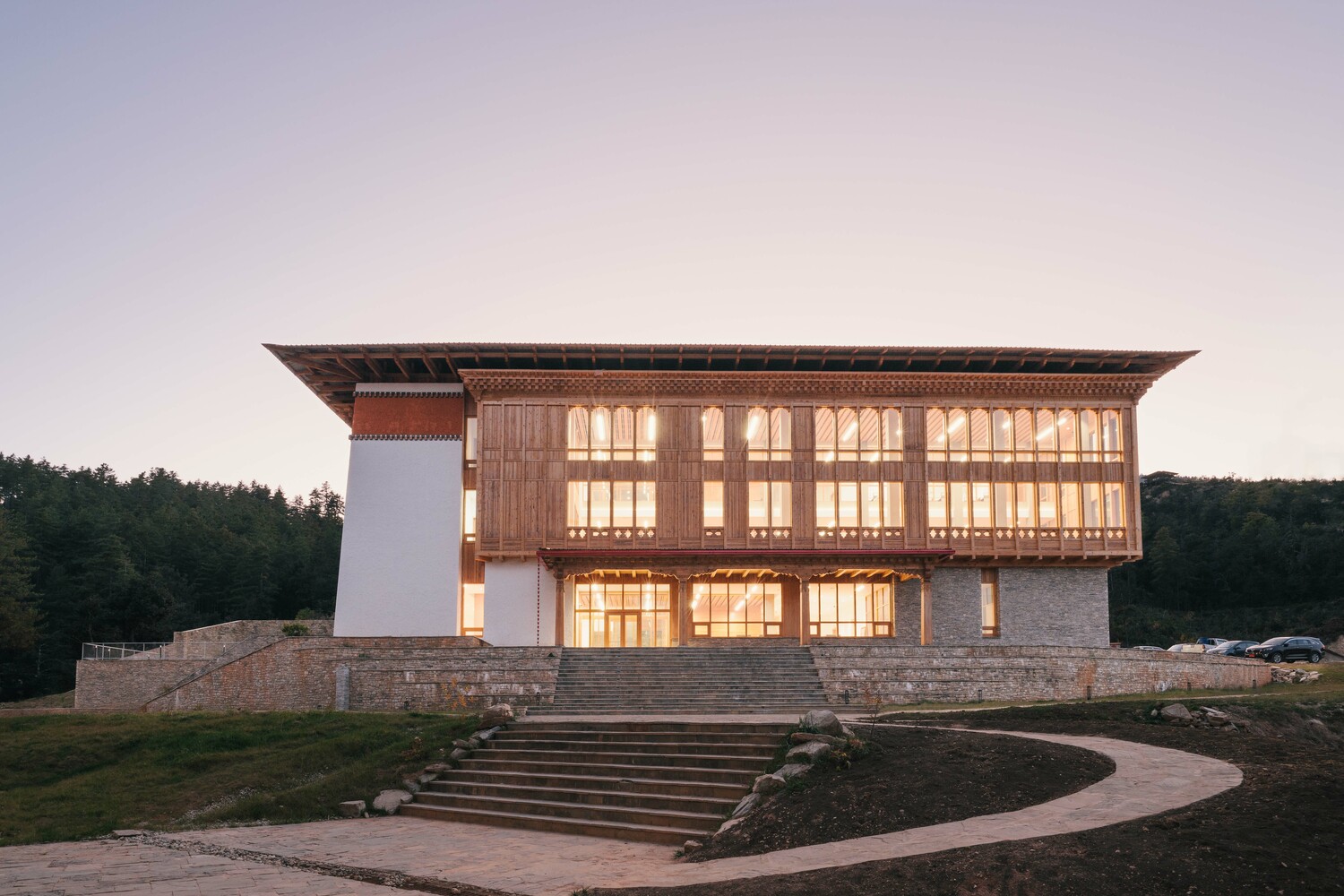
Presided over by Her Royal Highness Sonam Dechen Wangchuck, the Jigme Singye Wangchuck School of Law Library is nestled within the dramatic slopes of the eastern Himalayan mountains.
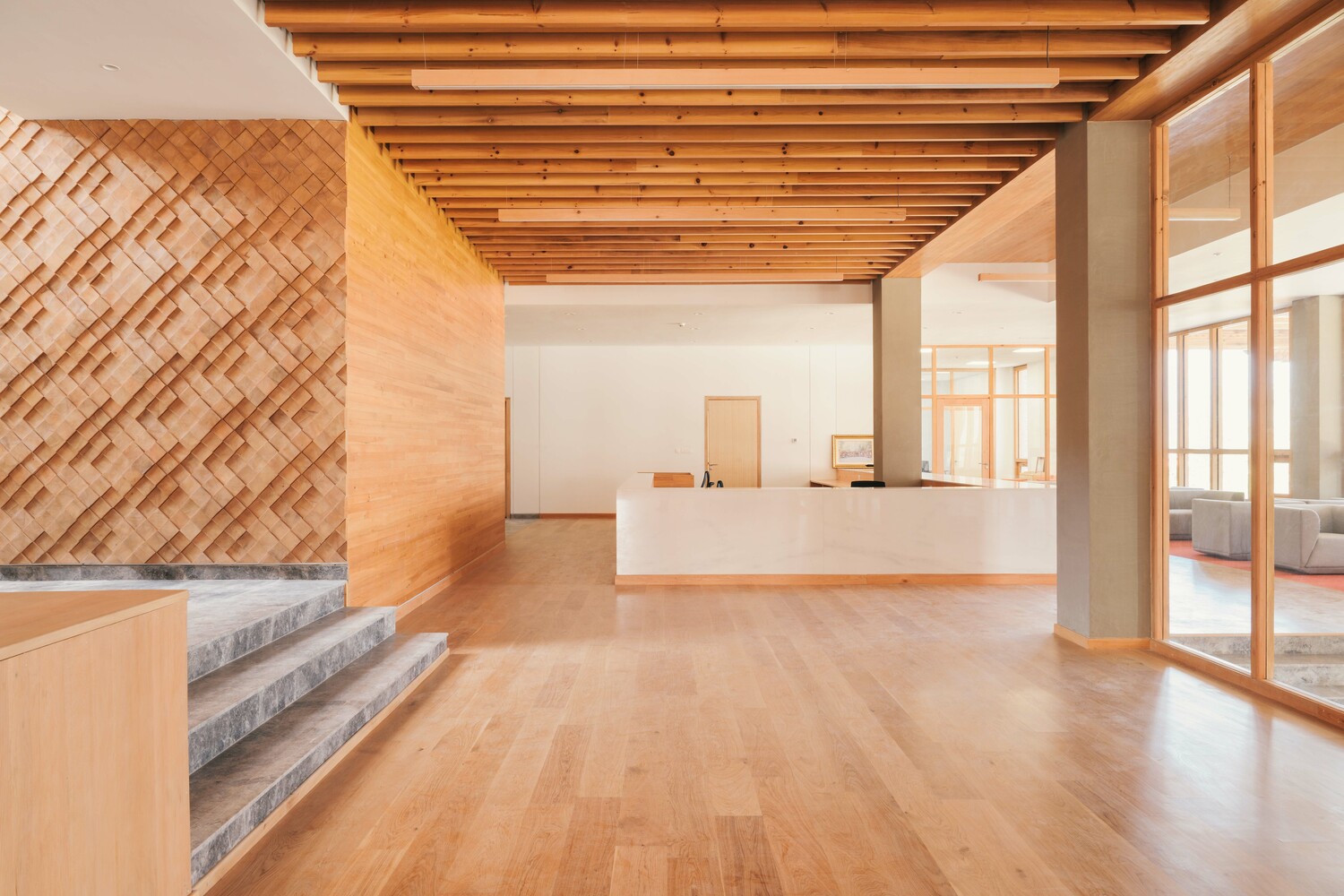
Holst worked with a diverse team of local engineers and craftspeople to combine traditional Bhutanese artisanship with modern, sustainable design techniques.
Using high-performance building techniques, we reduced energy consumption 75% below baseline buildings while improving comfort and air quality. The library sets a new precedent for sustainable design in Bhutan, on display for the many future leaders that will pass through the School of Law.
Unique Aspects â Design and construction in Bhutan
The project provided an opportunity to influence the trajectory of the Bhutanese construction industry by introducing new energy efficient technologies and building techniques to the local workforce. The first step was to understand what could be accomplished with the skills and materials commonly available in the area. We minimized novel design elements to help reduce the cost and difficulty of implementing our strategies, and to make them replicable on future projects. Over the seven years of design and construction, we frequently collaborated across a 13-hour time difference with the Bhutan-based construction team to ensure that details were constructed to meet the cultural, historical, and sustainability goals of the project. Through the process, the workforce learned how to create sustainable buildings and can now carry those skills to their future work.
Unique Aspects â Bringing together new and old ways
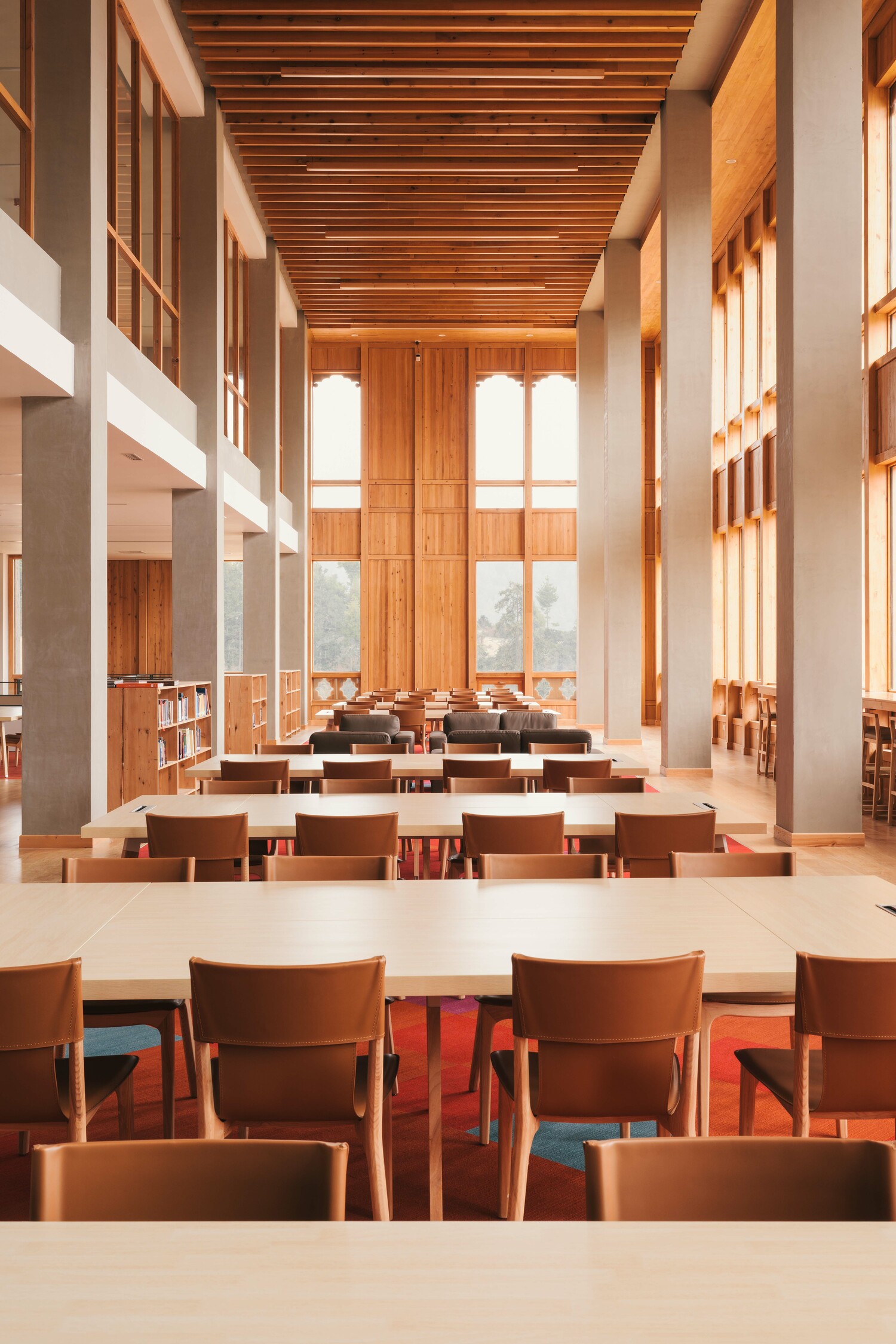
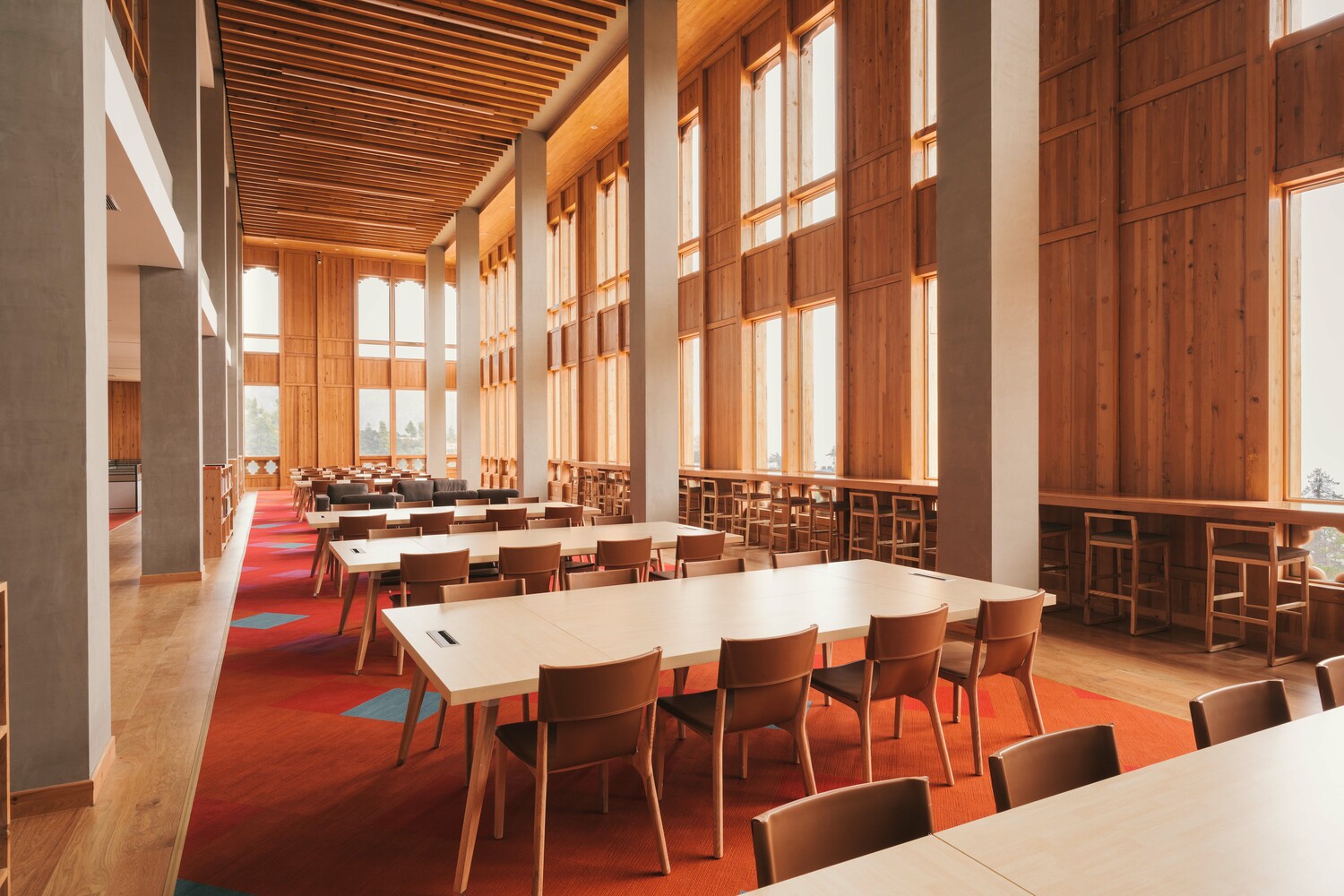
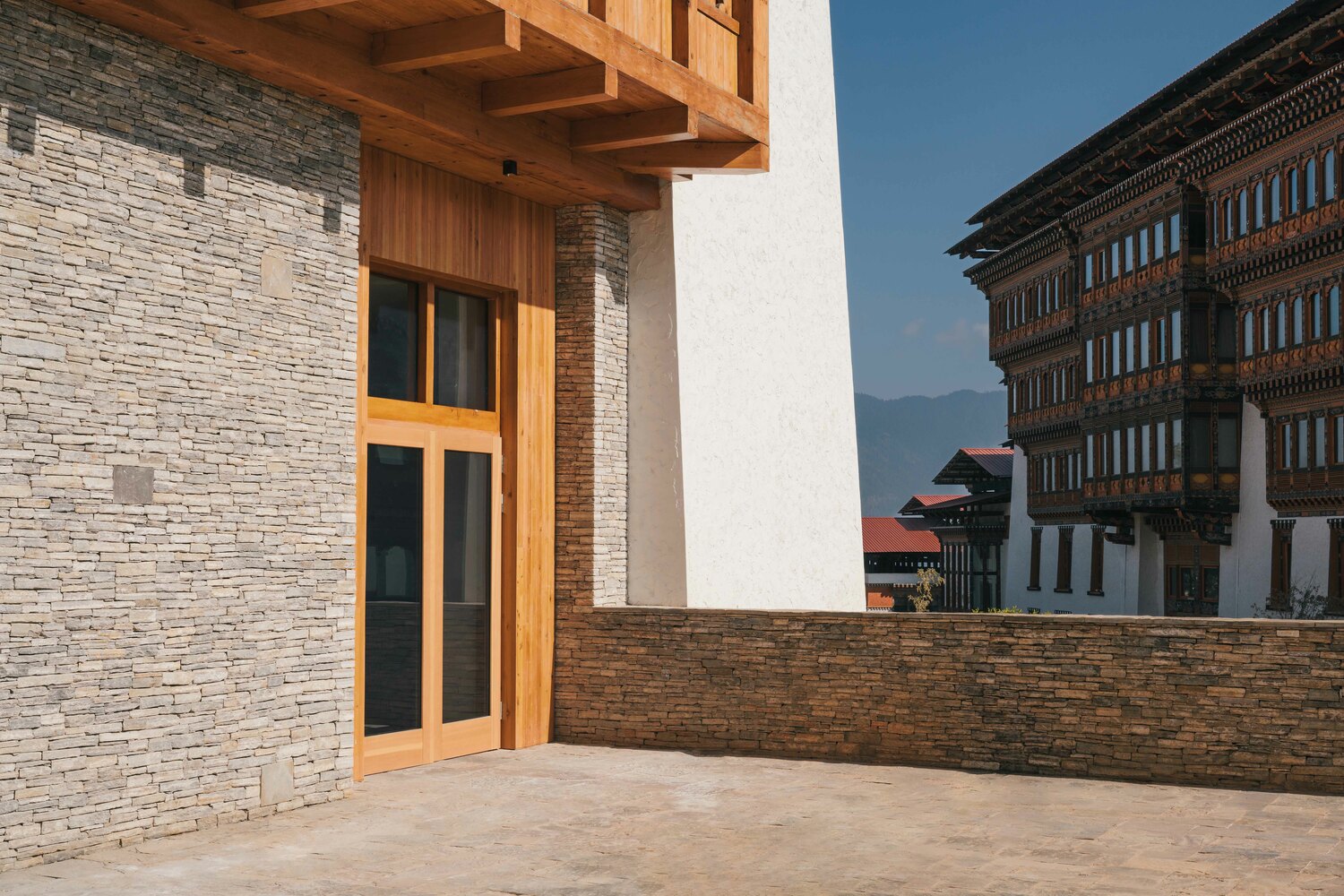
The Law Library thoughtfully integrates traditional aesthetics, materials, and methods with modern, global design approaches to sustainability. The buildingâs height takes advantage of the beautiful views across the valley, while the compact footprint reduces energy consumption and construction costs. The design integrates custom insulated windows produced by Bhutanese craftsman, in-floor radiant heating, and a simple roof truss system that protects insulation and decreases roof weight. The team used WUFI Passive analysis, coupled with efficient heating and ventilation systems, to reduce the libraryâs energy use by 75% from typical buildings in Bhutan. Such a result was hardly conceivable at the beginning of the project and is a testament to the diligence and commitment of countless individuals on the ground in Bhutan working to make it possible.
Unique Aspects â Sustainability and local material sourcing
While Bhutan is lauded as a carbon-negative country because of its clean energy and extensive forests, the countryâs building stock remains very energy inefficient. As a result of the cold climate, leaky windows, and uninsulated construction, interior spaces tend to be drafty and cold for much of the year. The libraryâs efficient envelope saves energy and dramatically improves comfort. For the sake of cost and replicability, it was important to try to source as much as possible from Bhutan, even if that meant developing new capacity for manufacturing. Local timber was used for glulams for the first time. High performance doors and windows were manufactured with local timber. Glazed units were assembled locally with imported glass. Stone and cement were sourced locally, and many HVAC components were crafted on site rather than imported.
Project Team List:
Owner: Jigme Singye Wangchuck School of Law
Funded Technical Assistance: Karuna Foundation
Architect: Holst Architecture
Technical Advisor: Thorsten Chlupp
Technical Advisor: Dan Whitmore
Technical Advisor: Sam Hagerman
Passive House Consultant: Prudence Ferreira