PODCASTS > Arcat Detailed Podcast Episode
166: Triple-Friction-Pendulum Base Isolation System | Oregon Supreme Court
45m 22s |
In this episode, Cherise is joined by Andrew Smith, AIA, APT RP, Principal and Historical Architect at Hennebery Eddy Architects in Portland, Oregon. They discuss the Oregon Supreme Court Interior Modernization and Seismic Retrofit in Salem, Oregon.
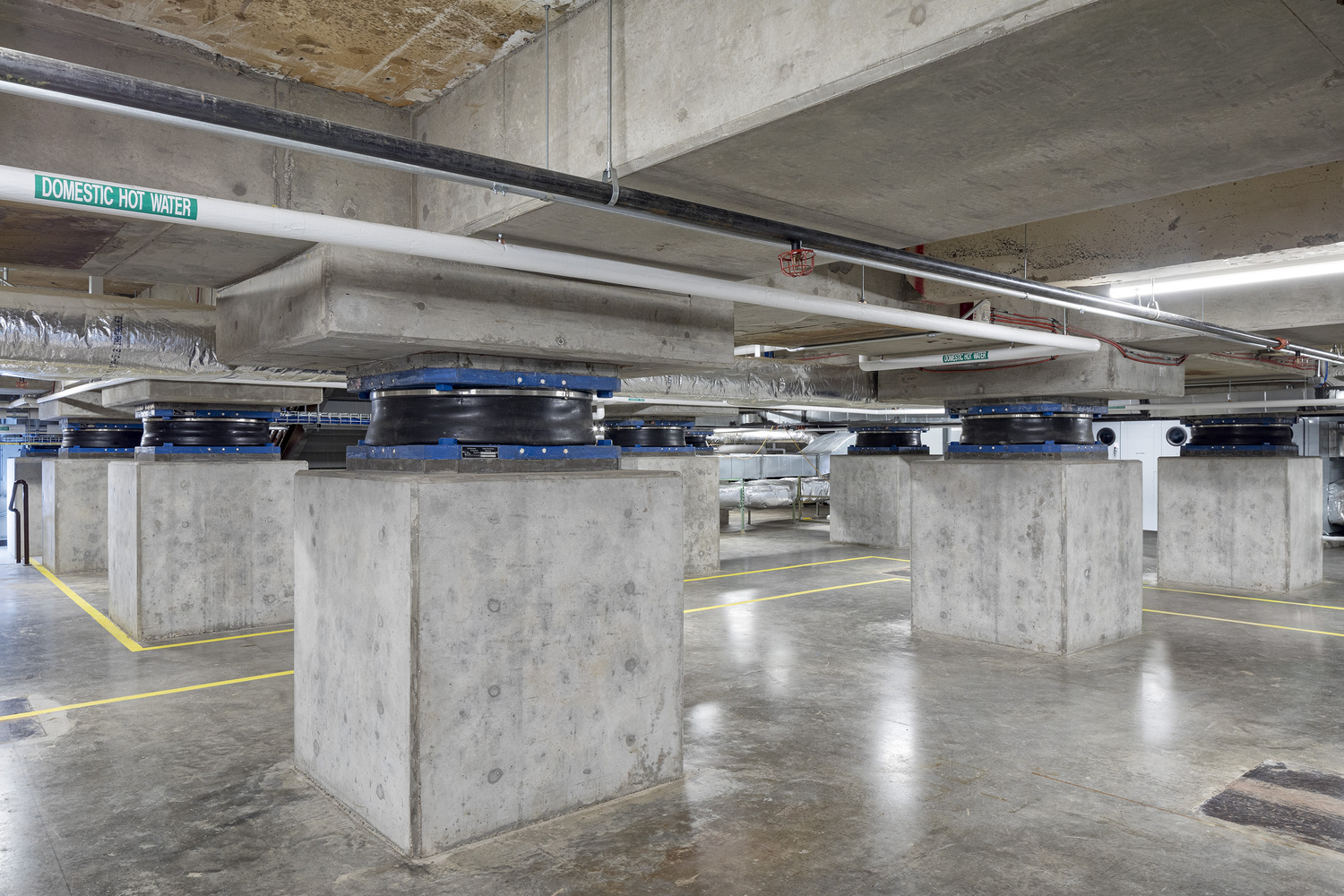
The rehabilitation of the Oregon Supreme Court Building stands as a model for how historic preservation and forward-looking resilience can coexist within a single architectural vision. A triple-friction-pendulum base isolation system was inserted beneath the building, effectively decoupling the superstructure from ground motion. This move transforms the foundation into a dynamic interface: in a Cascadia Subduction Zone event, the ground may oscillate laterally up to two feet while the building above remains comparatively stable.
Click here for the extended length interview on YouTube
The rehabilitation of the Oregon Supreme Court Building stands as a model for how historic preservation and forward-looking resilience can coexist within a single architectural vision. A triple-friction-pendulum base isolation system was inserted beneath the building, effectively decoupling the superstructure from ground motion. This move transforms the foundation into a dynamic interface: in a Cascadia Subduction Zone event, the ground may oscillate laterally up to two feet while the building above remains comparatively stable.
Click here for the extended length interview on YouTube
Before:


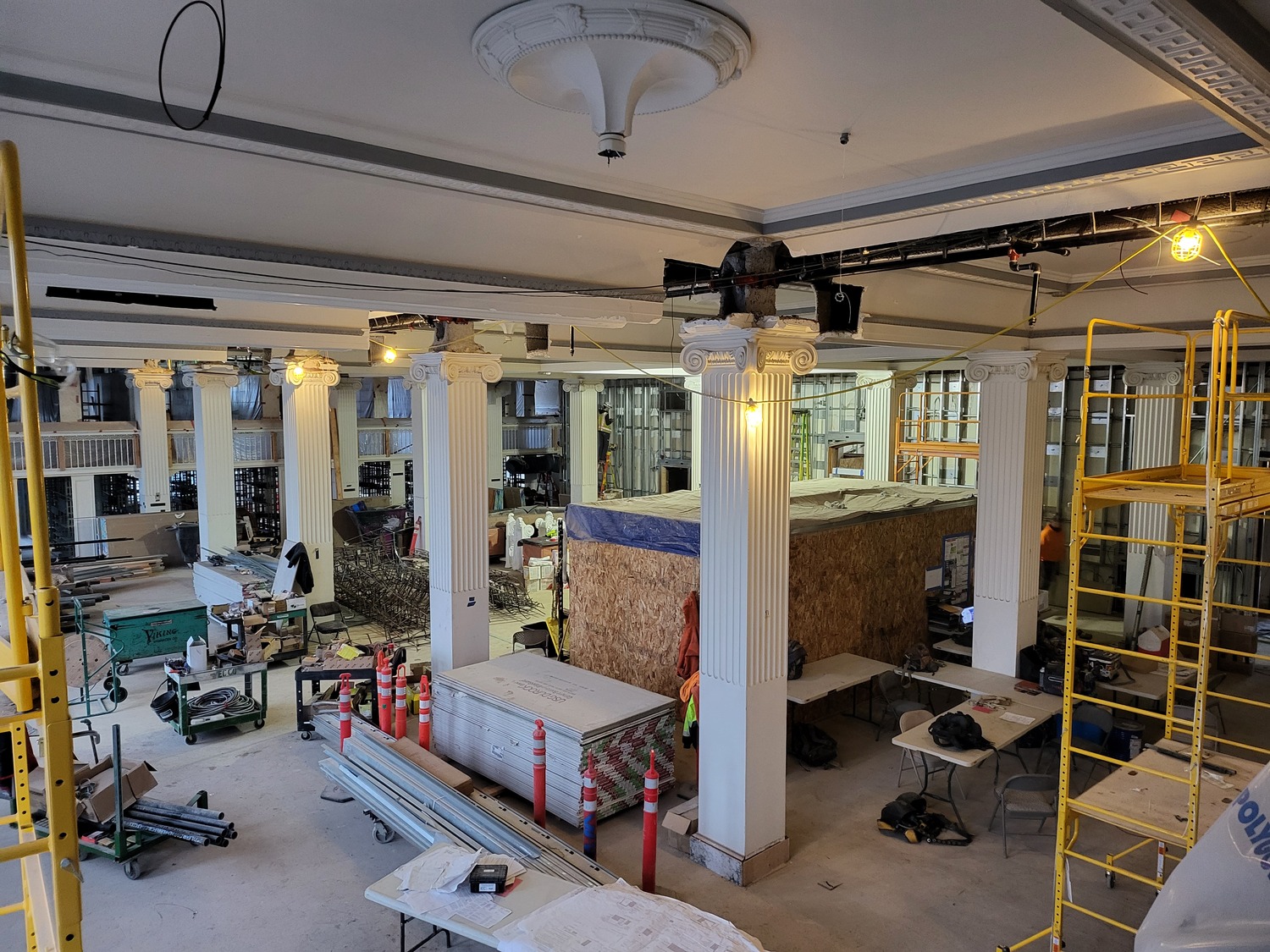
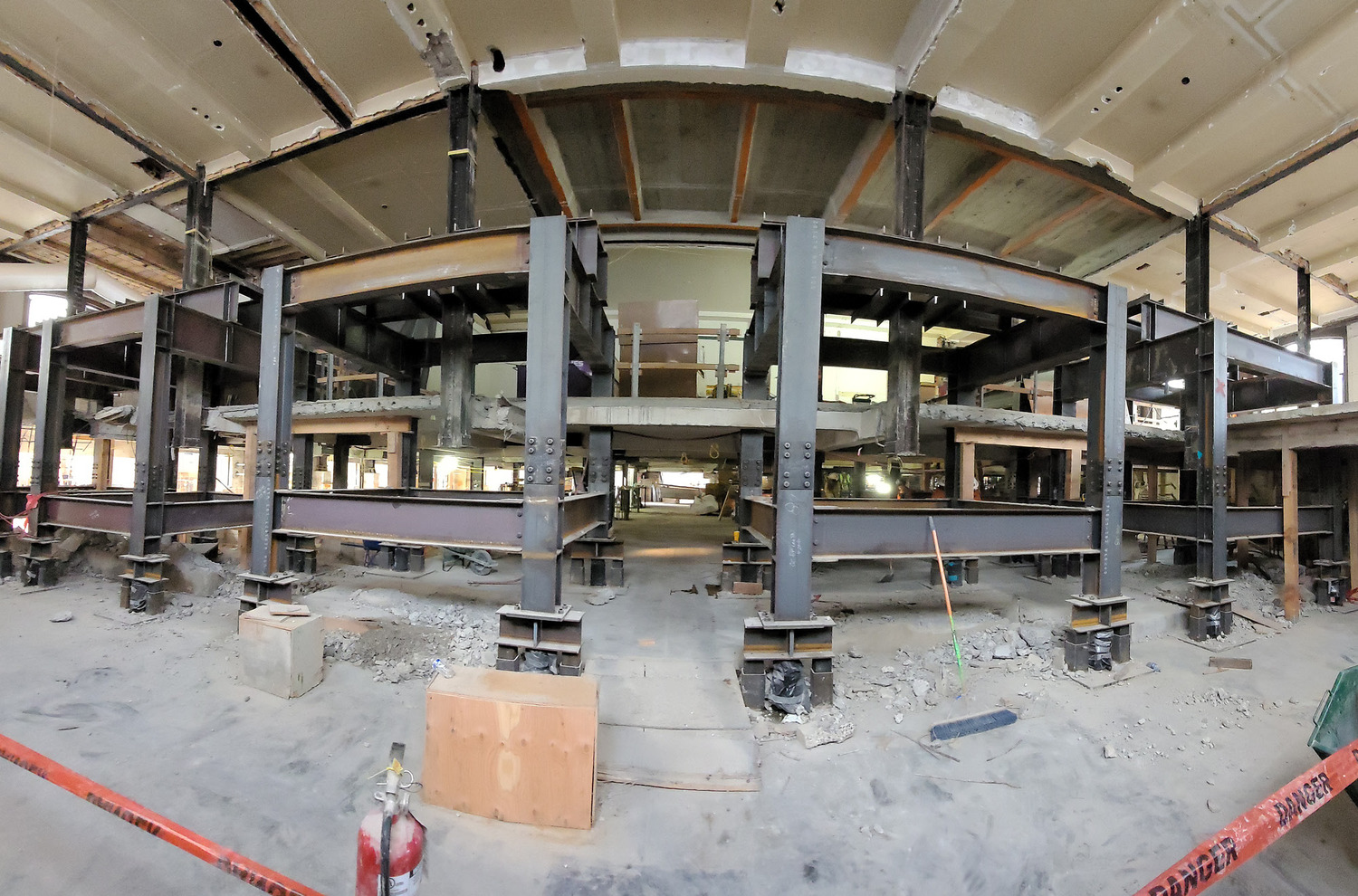
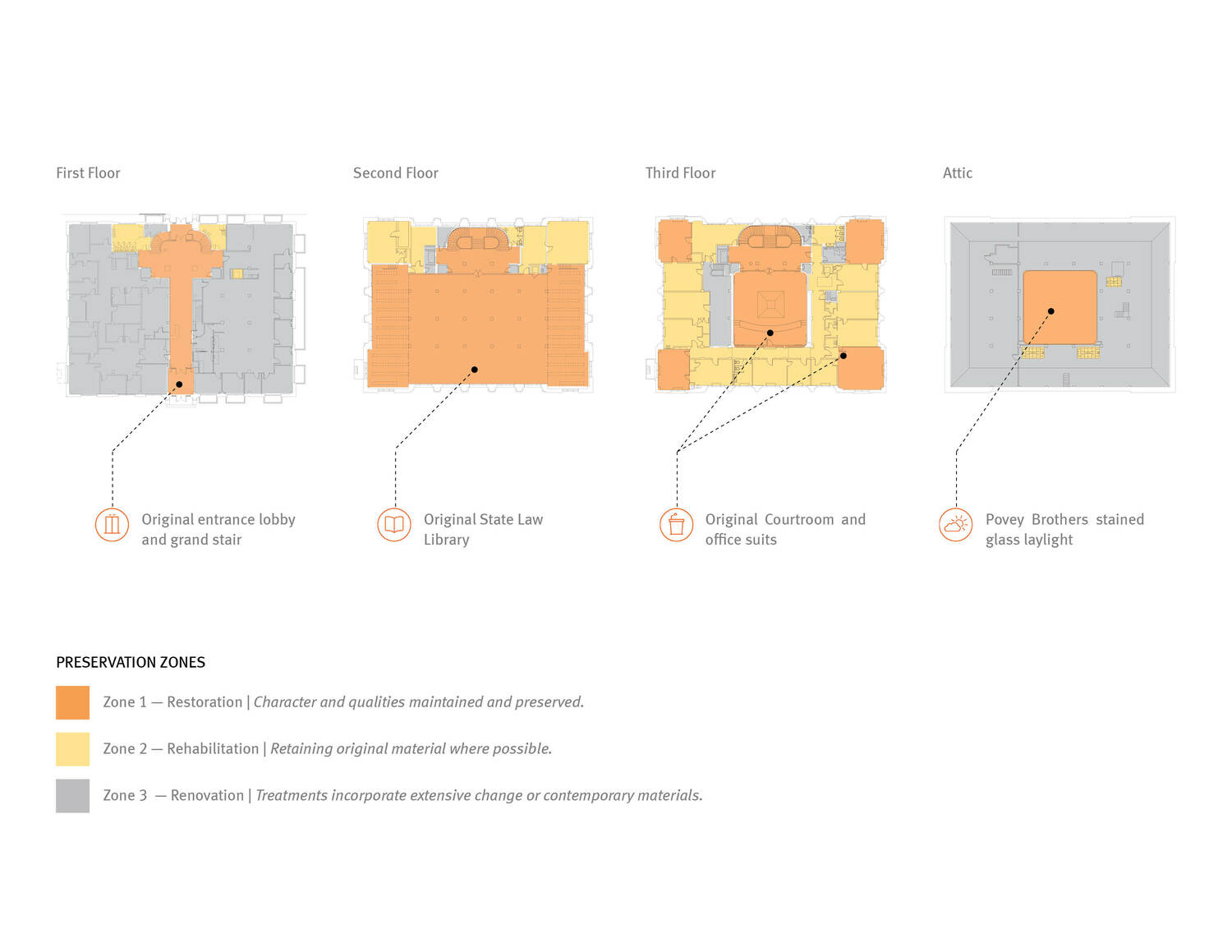

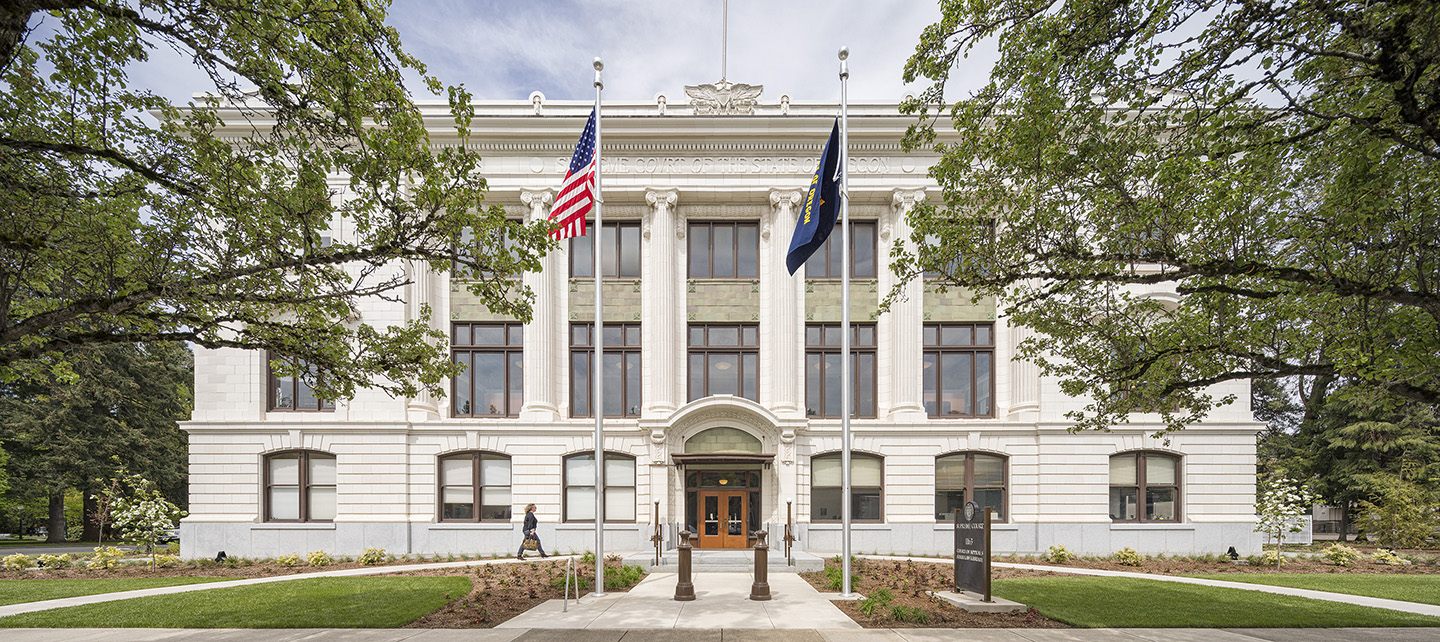
After:

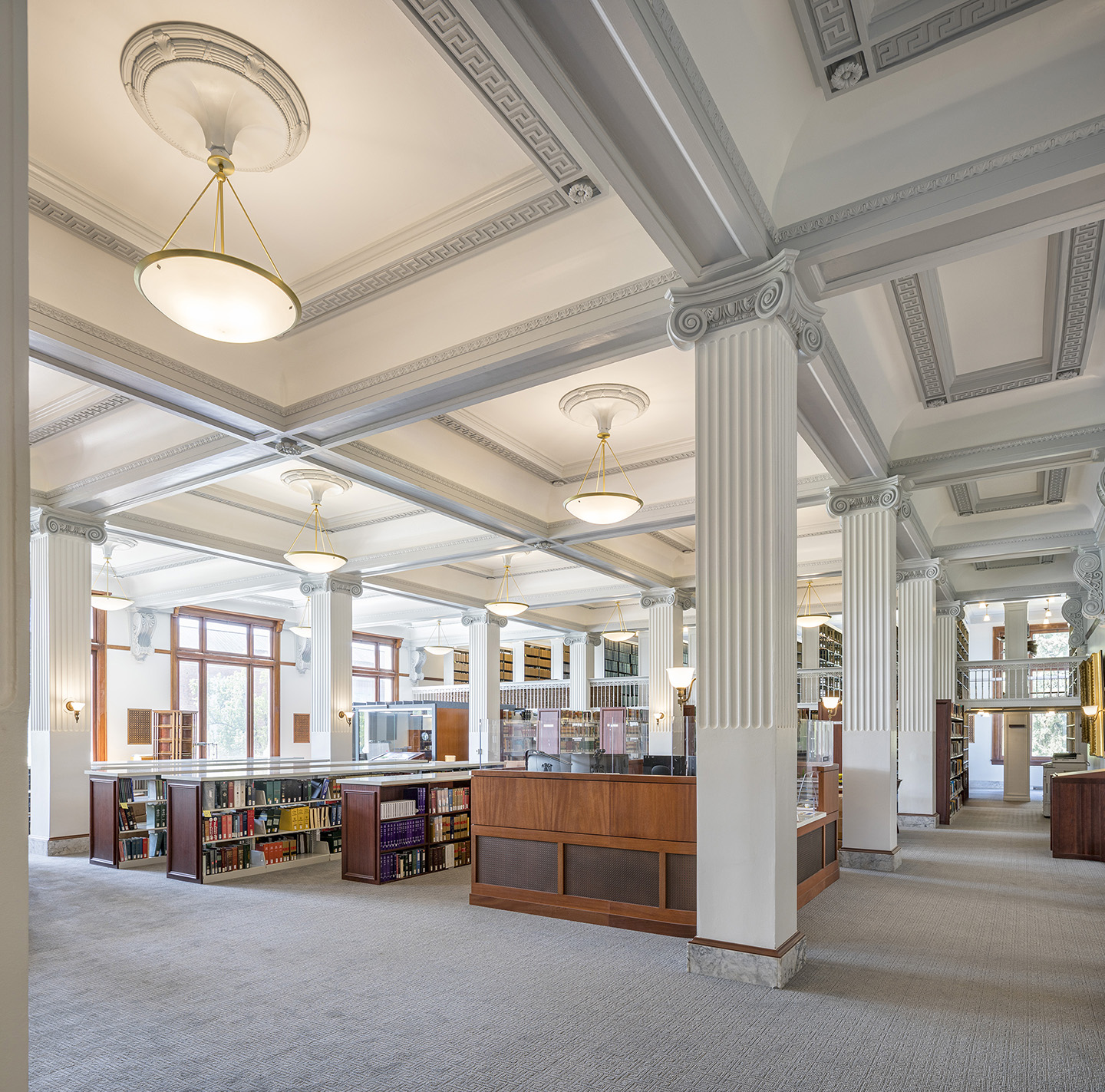
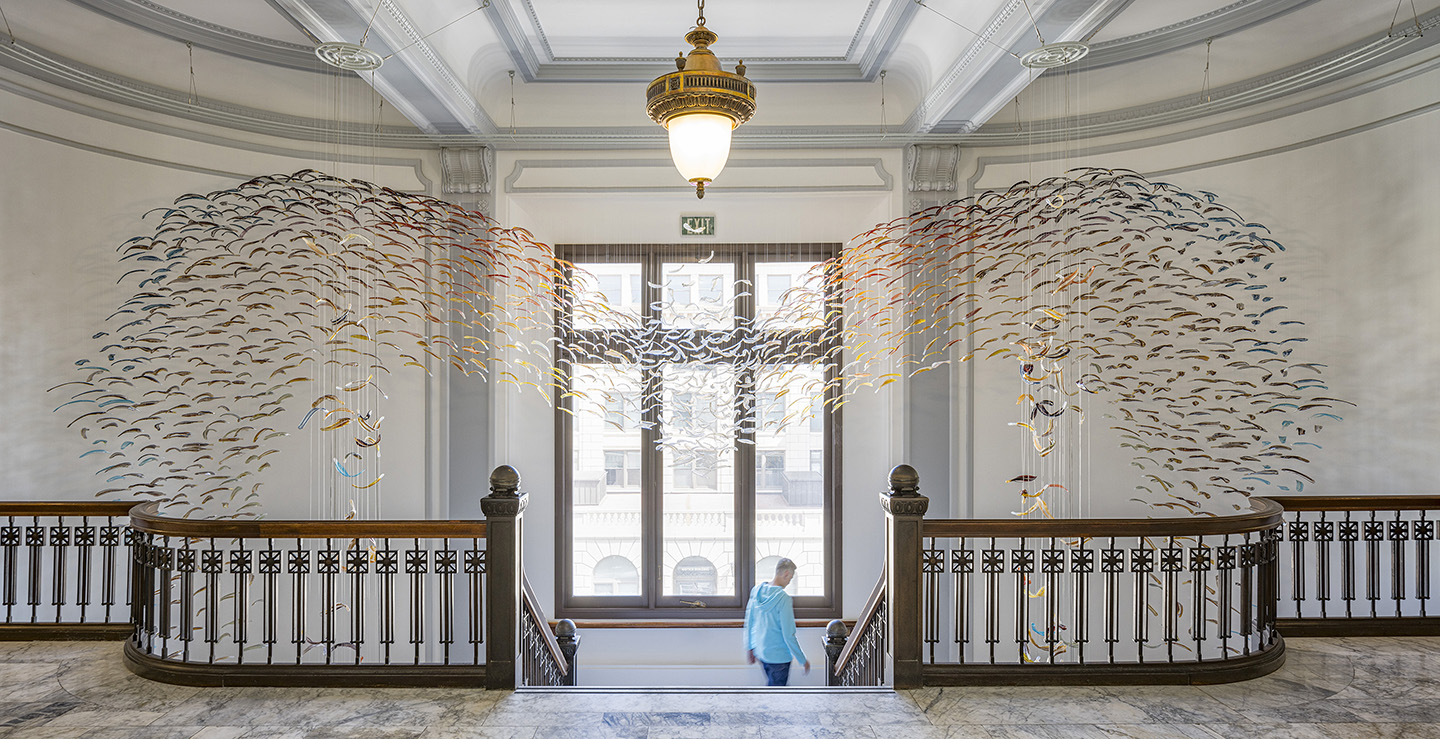

Andrew Smith, AIA, APT RP, Principal and Historical Architect at Hennebery Eddy Architects in Portland, Oregon.
Andrew Smith AIA, APT RP, is an historical architect and seasoned project manager with more than 30 years of experience in the planning, design execution, and administration of both new construction and rehabilitation projects.
His expertise includes directing project teams in finding sensitive and appropriate design solutions when historic and cultural resources are involved, including several projects for the National Park Service.
At Hennebery Eddy, Andrew is a Principal and leader in the firmâs Historic Resources Group, serving federal, state, and private clients in the thoughtful assessment, rehabilitation, and stewardship planning of historic structures.
Project Name and Location: Oregon Supreme Court Interior Modernization and Seismic Retrofit, Salem, Oregon
A forward-thinking approach to preservation and resilience guided the interior modernization and seismic retrofit of the Oregon Supreme Court Building in Salem, Ore., which included a base-isolated seismic system, renovation of first-floor office space, restoration of historic interior finishes, and replacement of mechanical, electrical, and plumbing systems.
Following its successful rehabilitation, the Oregon Supreme Court Building is one of only two LEED Gold-certified historic base isolated buildings in the nation and the first in Oregon, providing a safer, more accessible environment for the 60 workers integral to Oregon's highest courts.
The 1914 Oregon Supreme Court (OSC) Building is the oldest government building on Salem's capitol mall, serving as a beacon for Oregon's government.
A premier example of State Architect William Christmas Knighton's work and his best example of the Beaux Arts style, it is the first documented use of terra cotta in Oregon - outside of Portland.
The three-story, 50,000 SF building features marble and mahogany, abundant classical detailing, a grand staircase, and an historically significant Povey Brothers stained-glass laylight in the courtroom.
Through selective demolition, sensitively integrating structural upgrades and MEP replacements to preserve these character-defining features, and successfully nominating this landmark to the National Register of Historic Places, the OSC is protected for future generations.
Resilient Rehabilitation
A primary project goal was to preserve this iconic building should a Cascadia Subduction Zone earthquake occur.
The project team weighed many factors when determining a retrofit approach, beginning with pre-design investigations including in situ structural and material testing, geotechnical analyses, and virtual simulations. Also considered were construction cost, duration, damage potential and impacts to the historic building fabric both large and small (increasing window jamb thicknesses, lowering decorative plaster ceilings, and replacing the entire basement and foundation).
The seismic retrofit combines a state-of-the-art, triple-friction-pendulum, base isolation system and traditional shear walls. Base isolation decoupled the ground from the building, allowing it to remain in place while the ground oscillates up to 2 feet laterally. The seismic upgrade was engineered for Immediate Occupancy N (standard for new buildings), which will allow original brittle materials and MEP systems to survive a major seismic event with little to no damage.
H4- Sustainable Preservation
The OSC rehabilitation incorporates significant performance and comfort improvements. Sensitively integrated MEP upgrades are anticipated to reduce energy use by 22%, resulting in nearly 25% cost savings.
Zoned HVAC and lighting controls improve energy efficiency and user comfort. Low-flow fixtures reduce water use by 35%. The project reused 62% of existing interior finishes and 90% of furniture through salvage, restoration, and reinstallation of original FF&E. New finishes have verified improved environmental lifecycle impacts via environmental product declarations.
Removing non-original partitions and raising dropped ceilings on the first-floor enhanced interior daylighting. Where historic light fixtures remain, LED bulb retrofits improve energy efficiency. A new bicycle storage room & employee shower encourage alternative transportation.
Finally, the modernization improves accessibility via the universally accessible main entry, elevator upgrades, and gender-neutral restrooms. The cumulative impact is a 59% pEUI reduction from AIA 2030 baseline, State of Oregon SEED certification, and LEED Gold certification.
Project Design Team:
- Owner: Oregon Judicial Department
- Architect: Hennebery Eddy Architects
- General Contractor: Hoffman Construction Company of Oregon
- Landscape Architect: Knot Studio
- Structural Engineer: Forell-Elsesser Engineers, Inc.
- Civil Engineer: KPFF
- MEP Engineer: Interface Engineering, Inc.
- Sustainability: Brightworks
- Lighting: Interface Engineering
- Material Testing: Carlson Testing, Inc.
- Acoustics Consultant/Engineer: Acoustic Design Studio, Inc.
- Artist: Epiphany Studios
Unique Products:
- Moat covers: SSRW - Moat Cover Pan; Construction Specialties, Inc
- Corridor Cover: Multi-Axial Corridor Cover; Construction Specialties, Inc
- Base isolators: Triple Pendulum; EPS
- Interior finishes: Paints and Stains; Sherwin-Williams
- Elevator: Gen2 Passenger Elevator; Otis
- Office privacy glass: Decorative Laminated Glass; McGrory Glass, Inc
- Carpet: Broadloom Carpet; Fabrica, Carpet Tile; Mannington


