PODCASTS > Arcat Detailed Podcast Episode
178: Slotted Windows | 13th Street Sanctuary
1h 8m 24s |
In this episode, Cherise is joined by David Bagnoli, Principal at StudioMB Architects in Washington DC. They discuss the 13th Street Sanctuary, also in Washington, D.C.
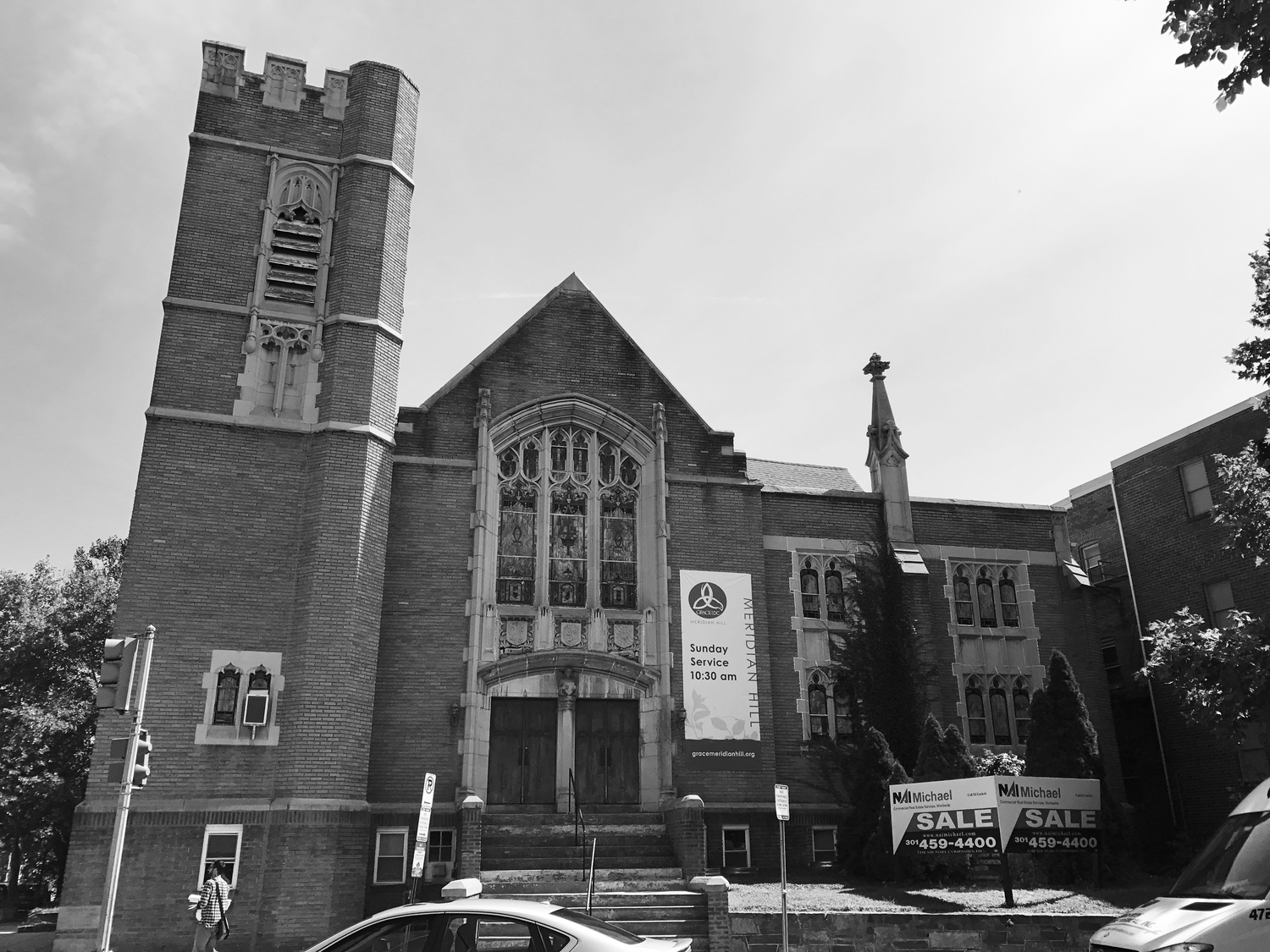
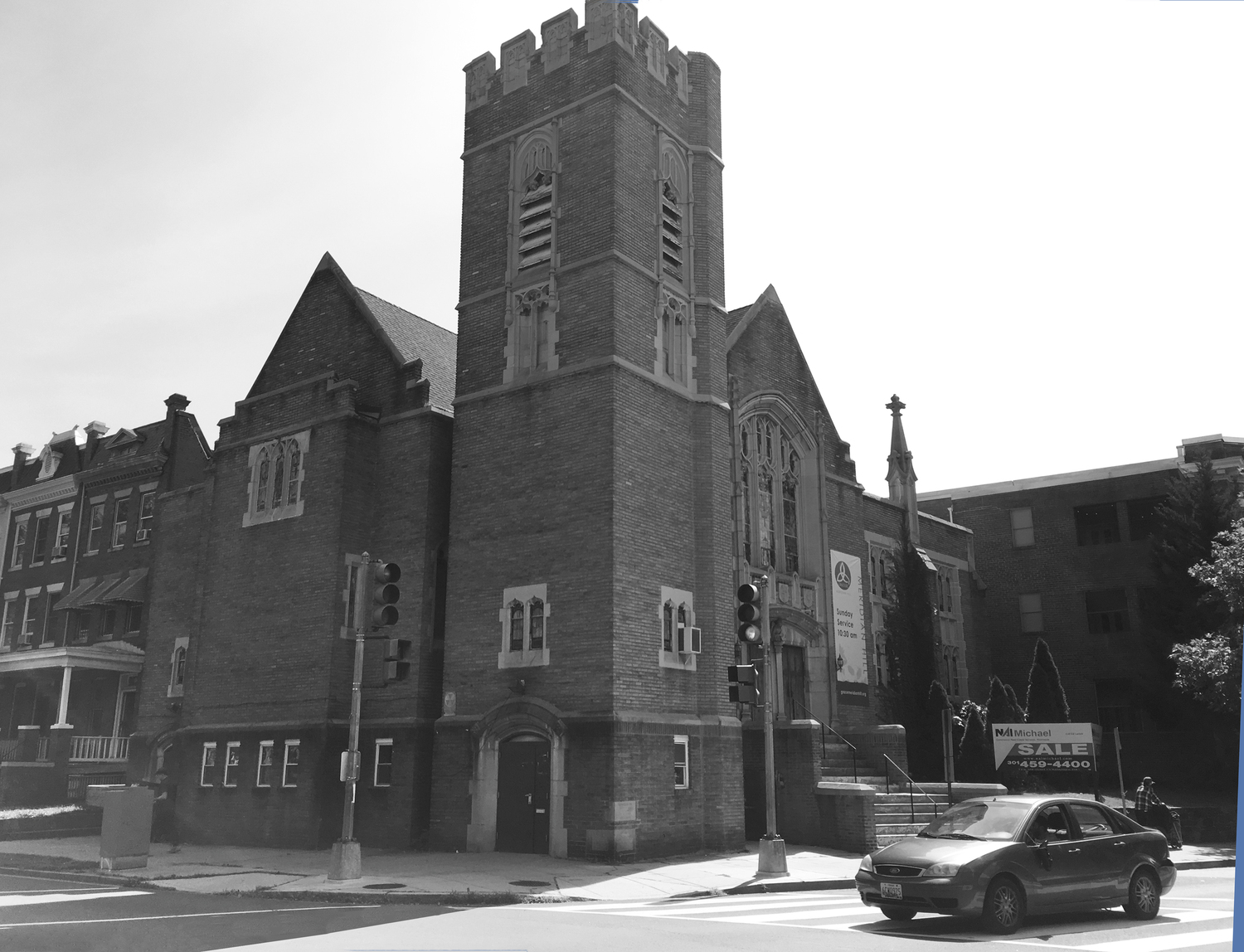
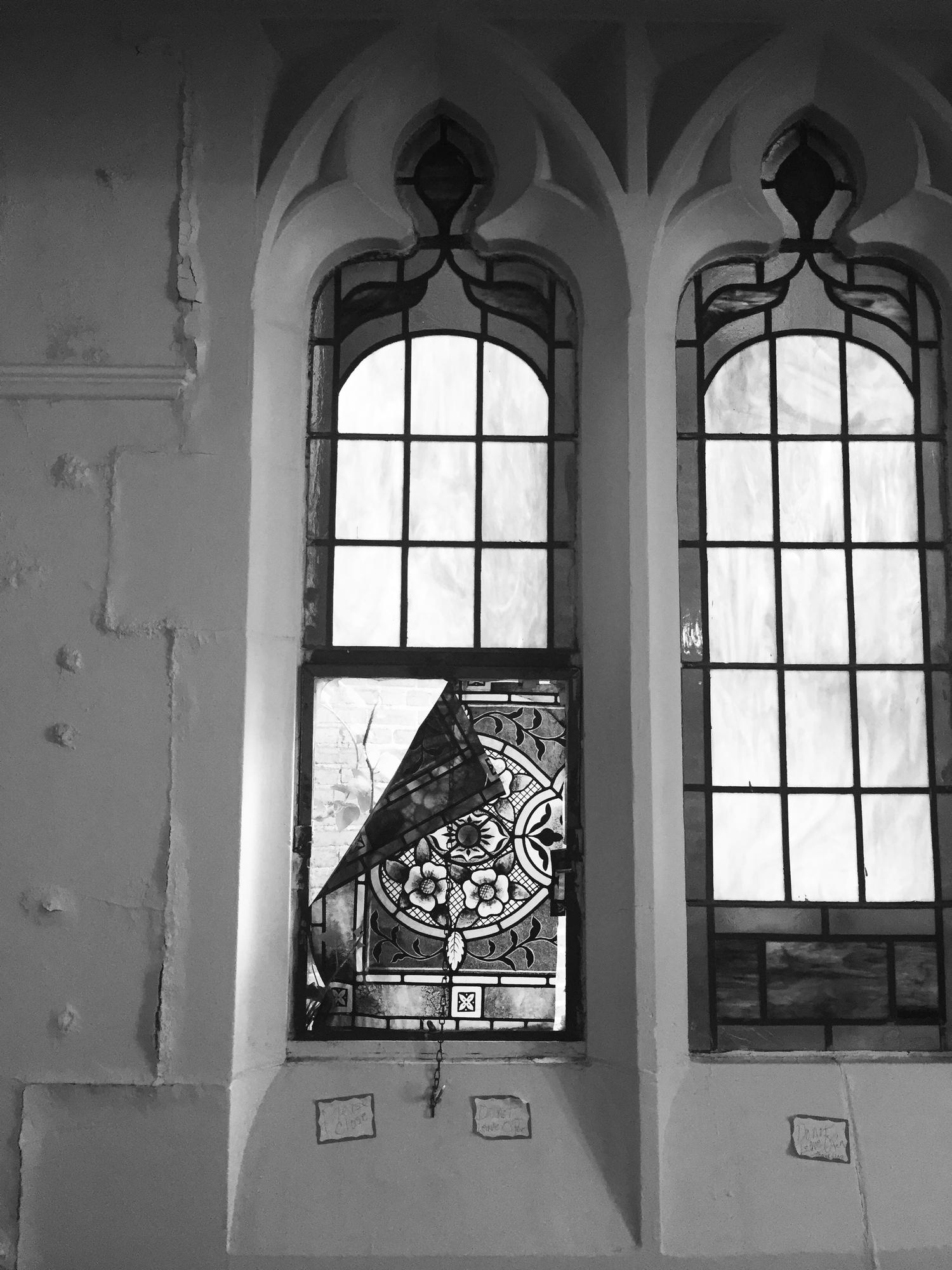
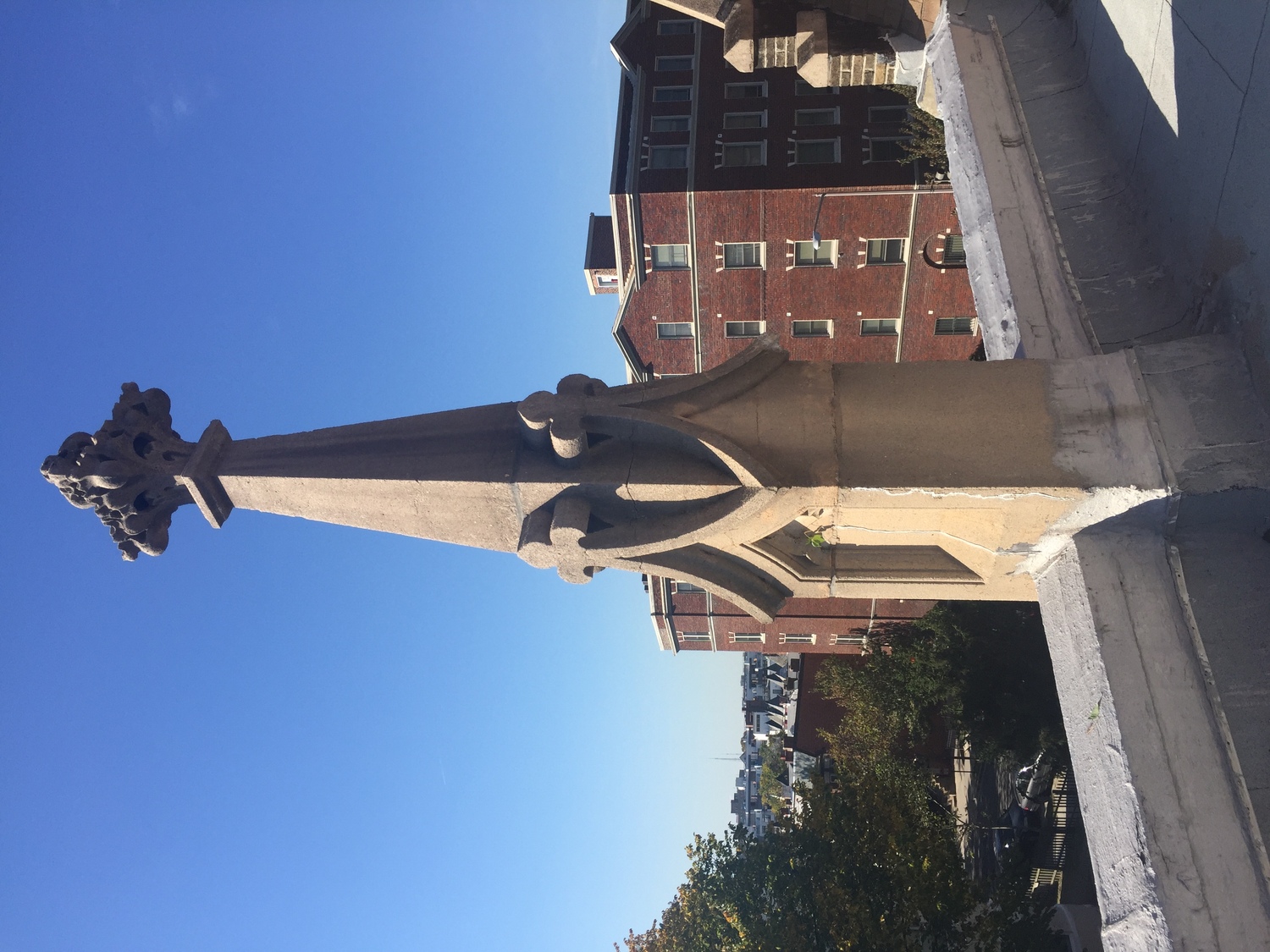
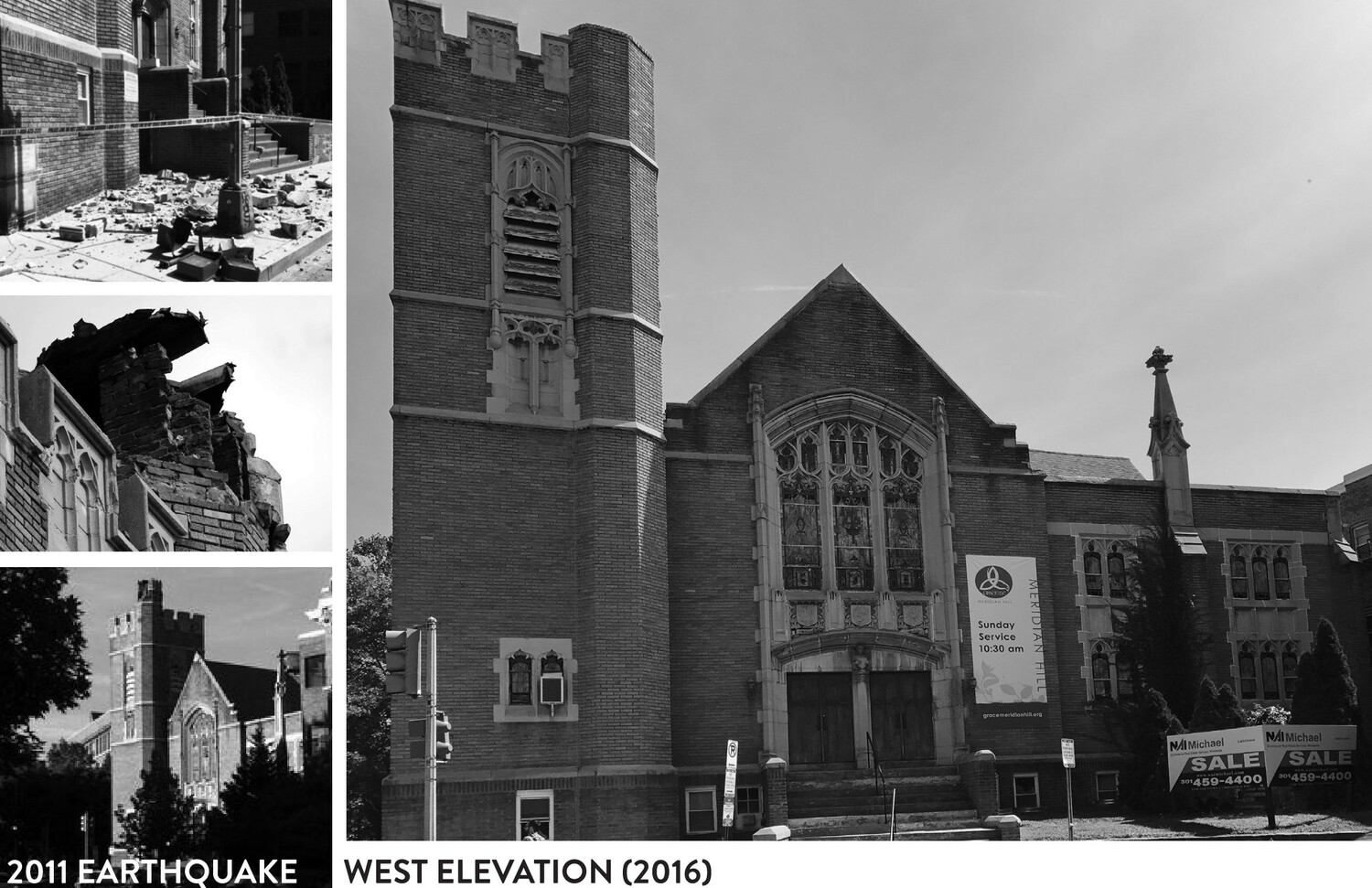
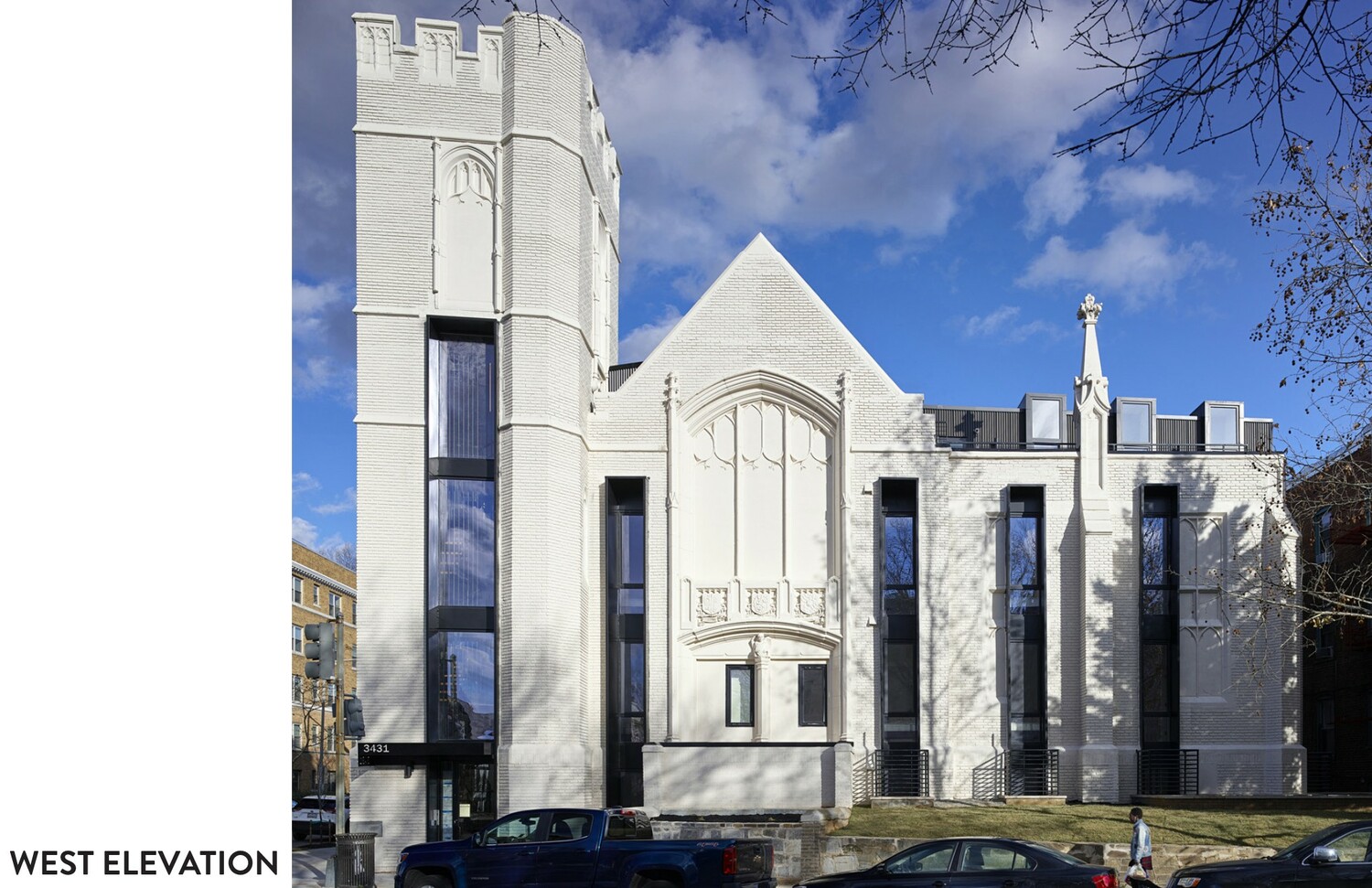
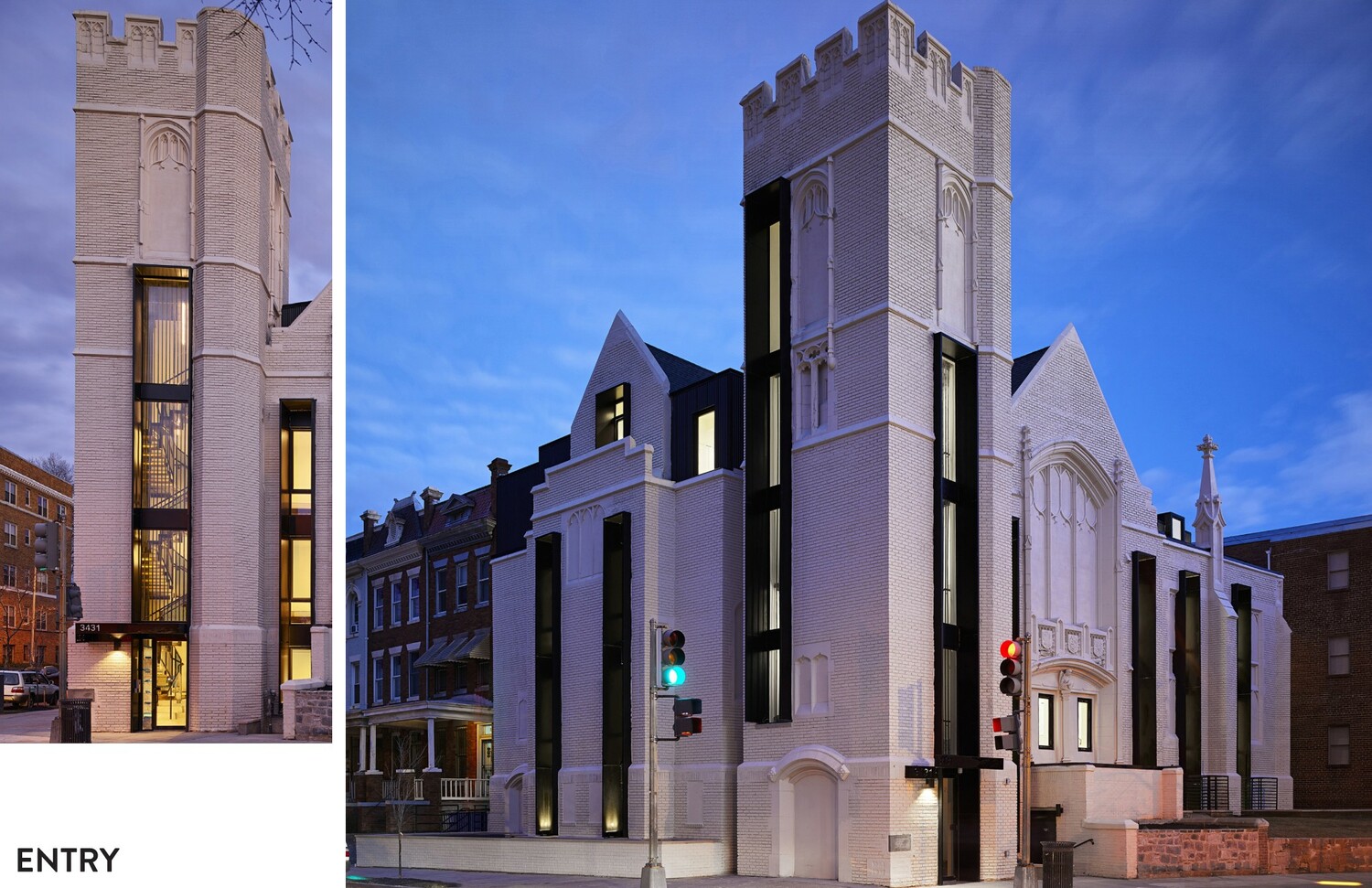
Originally constructed in 1917, the 13th Street Sanctuary stands as a compelling example of how adaptive reuse can breathe new life into forgotten structures while addressing urgent urban needs. Once a neglected church severely damaged during the 2011 Mid-Atlantic earthquake, the building was ultimately deemed unsafe and faced an uncertain future. Through an ambitious transformation, the former place of worship has been reimagined into eight co-living residential units, creating a bold new model for affordable housing in Washington, D.C. The design embraces a deliberate contrast between historic and contemporary elements. New slotted window openings punctuate the heavy masonry exterior, bringing natural light into the units while creating a distinct visual dialogue between old and new.
Originally constructed in 1917, the 13th Street Sanctuary stands as a compelling example of how adaptive reuse can breathe new life into forgotten structures while addressing urgent urban needs. Once a neglected church severely damaged during the 2011 Mid-Atlantic earthquake, the building was ultimately deemed unsafe and faced an uncertain future. Through an ambitious transformation, the former place of worship has been reimagined into eight co-living residential units, creating a bold new model for affordable housing in Washington, D.C. The design embraces a deliberate contrast between historic and contemporary elements. New slotted window openings punctuate the heavy masonry exterior, bringing natural light into the units while creating a distinct visual dialogue between old and new.
Jump to Project Details
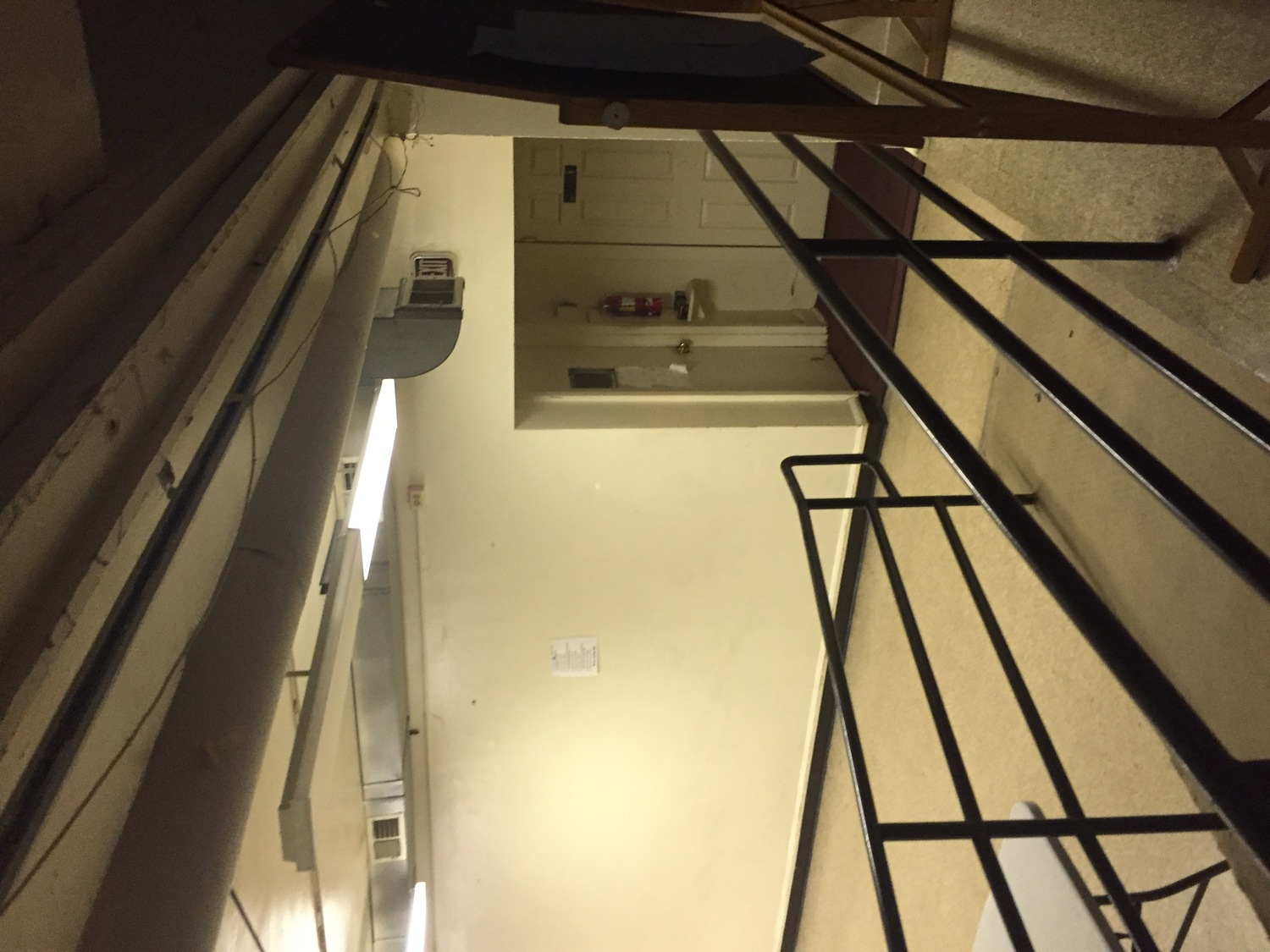
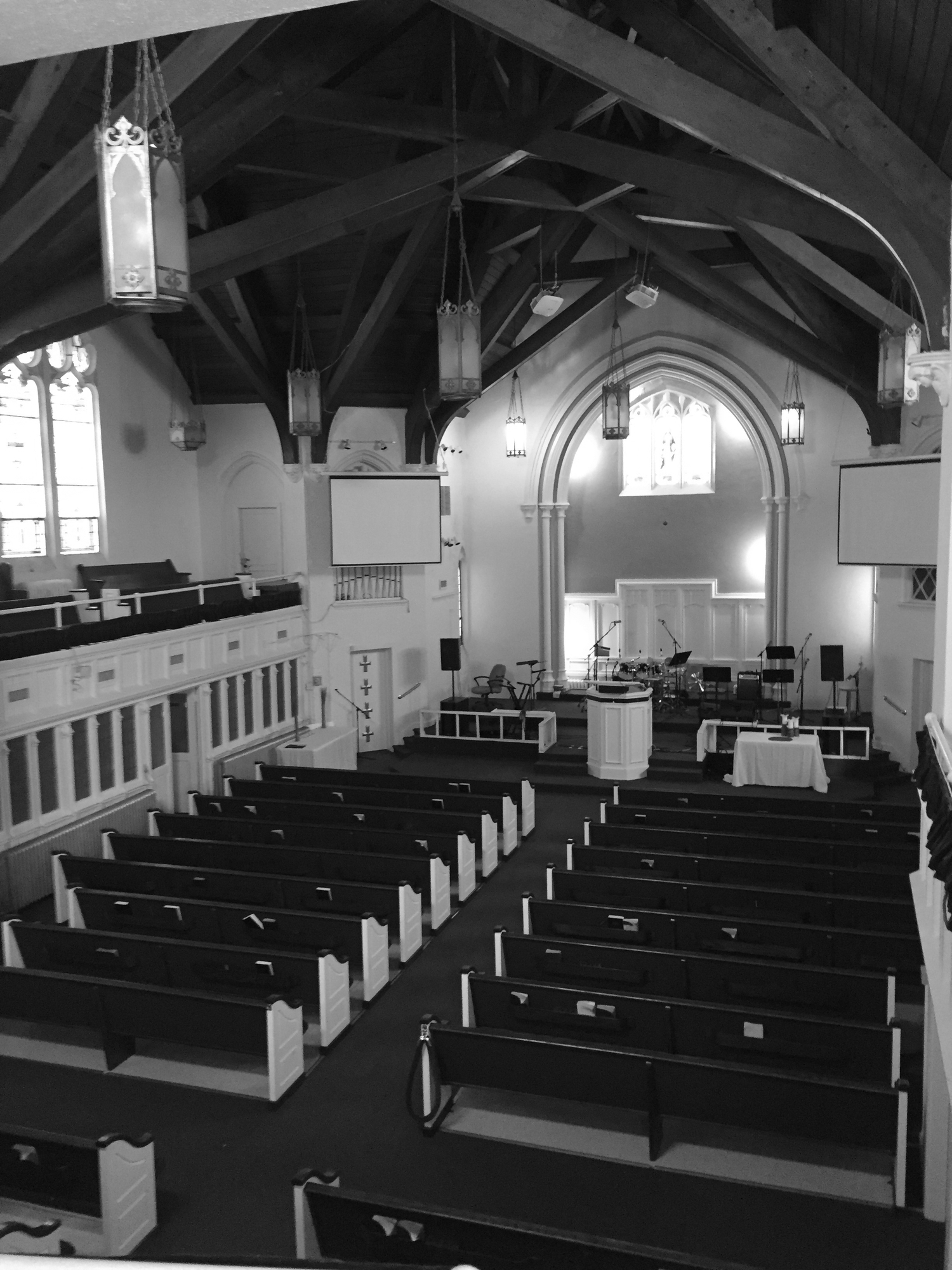
Before:










After:













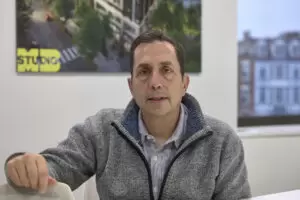
David Bagnoli, Principal, StudioMB Architects
David C. Bagnoli is a principal and co-founder of StudioMB, a Washington DC based architectural and urban design practice located in Dupont Circle.
His diverse body of work shares a common approach of connecting people to their environments as well as to one another and has been recognized for providing solutions that consider competing concerns of complex site, building, and programmatic issues.
Proud to be a generalist in a world full of specialists, his work includes masterplans and urban designs as well as residential, mixed use, academic, hospitality and performing arts buildings throughout the country.
David has a Master of Architecture and Urban Design from the University of Pennsylvania, where he focused on uniquely American urban designs since the country's founding, and an undergraduate degree from the University of Notre Dame in Architecture and Art History.
Project Name and Location: 13th Street Sanctuary, Washington DC
Preserving A Damaged Structure
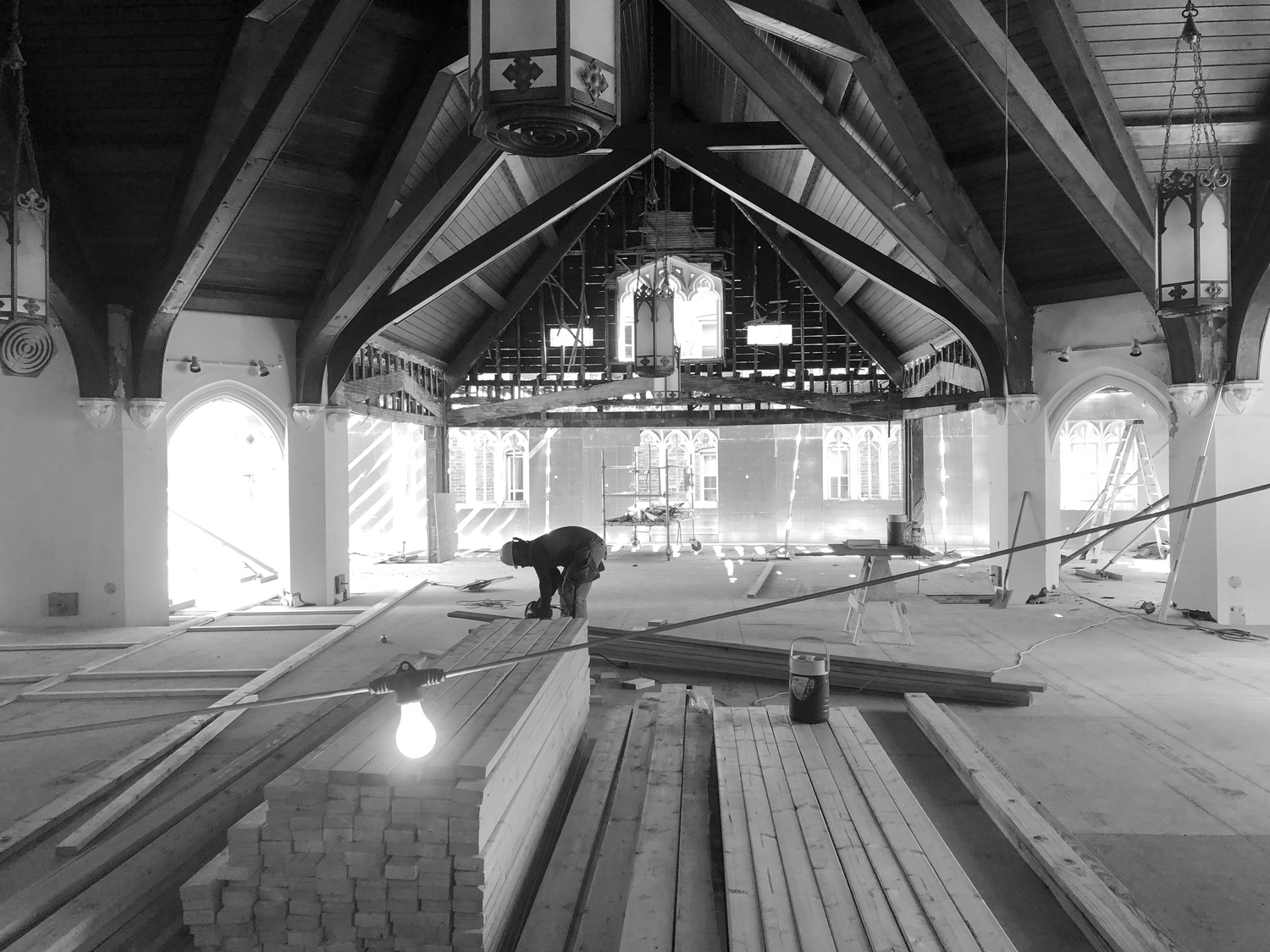
This complex adaptive reuse project converts a neglected 1917 church into 8 "co-living" units. Having suffered signiï¬cant structural damage in the 2011 Mid-Atlantic earthquake, the building was deemed unsafe and sold.
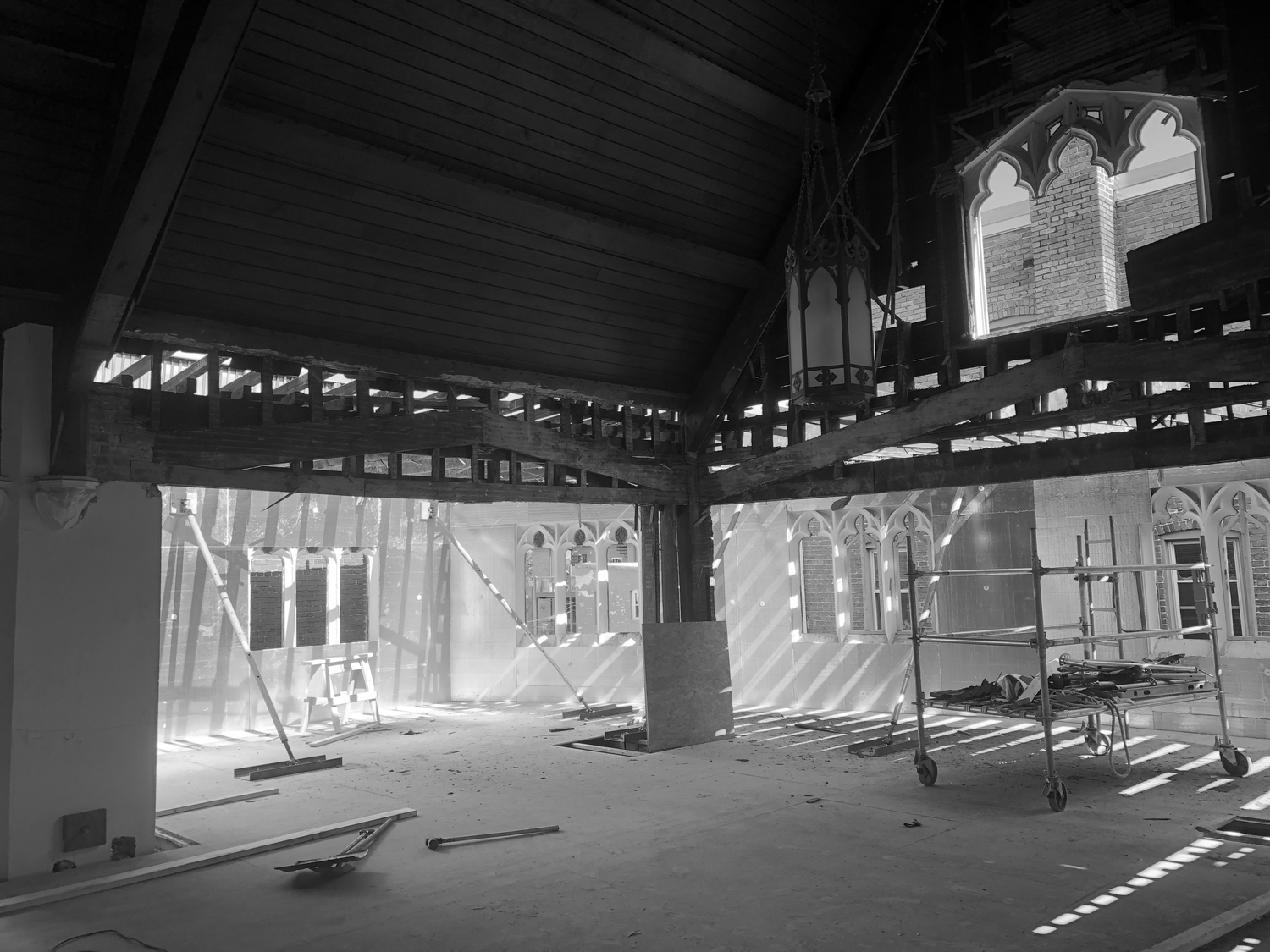
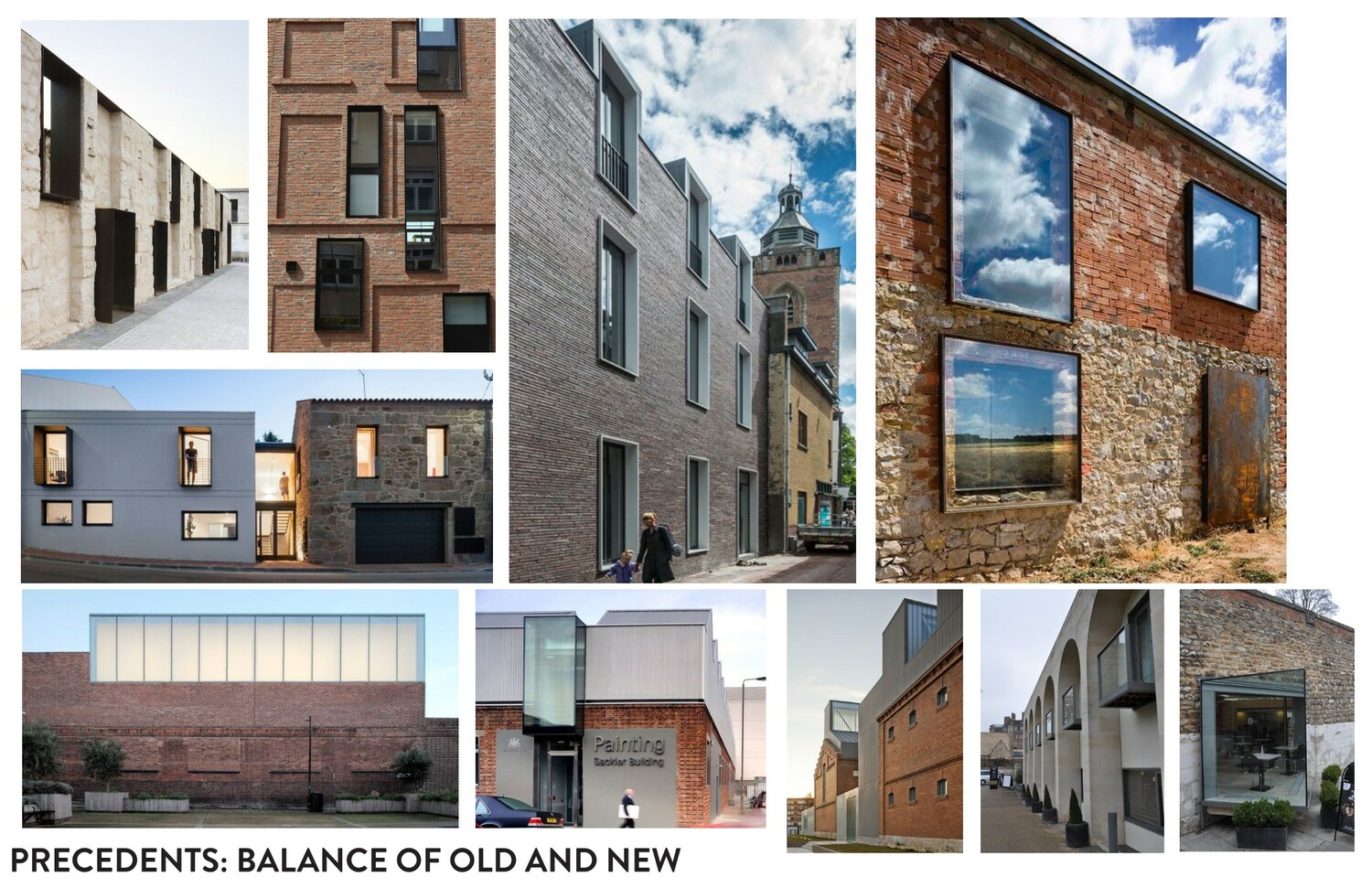
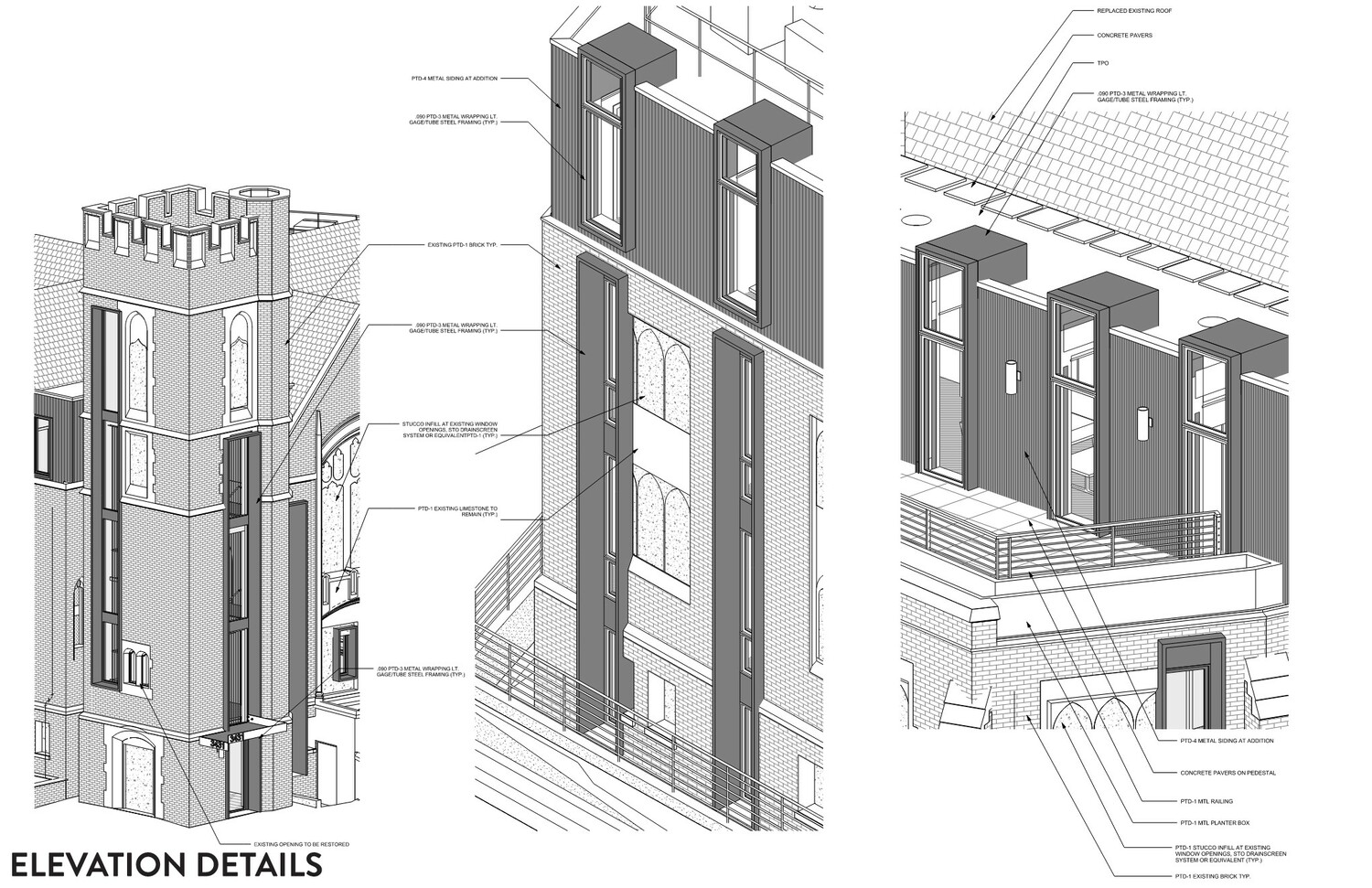
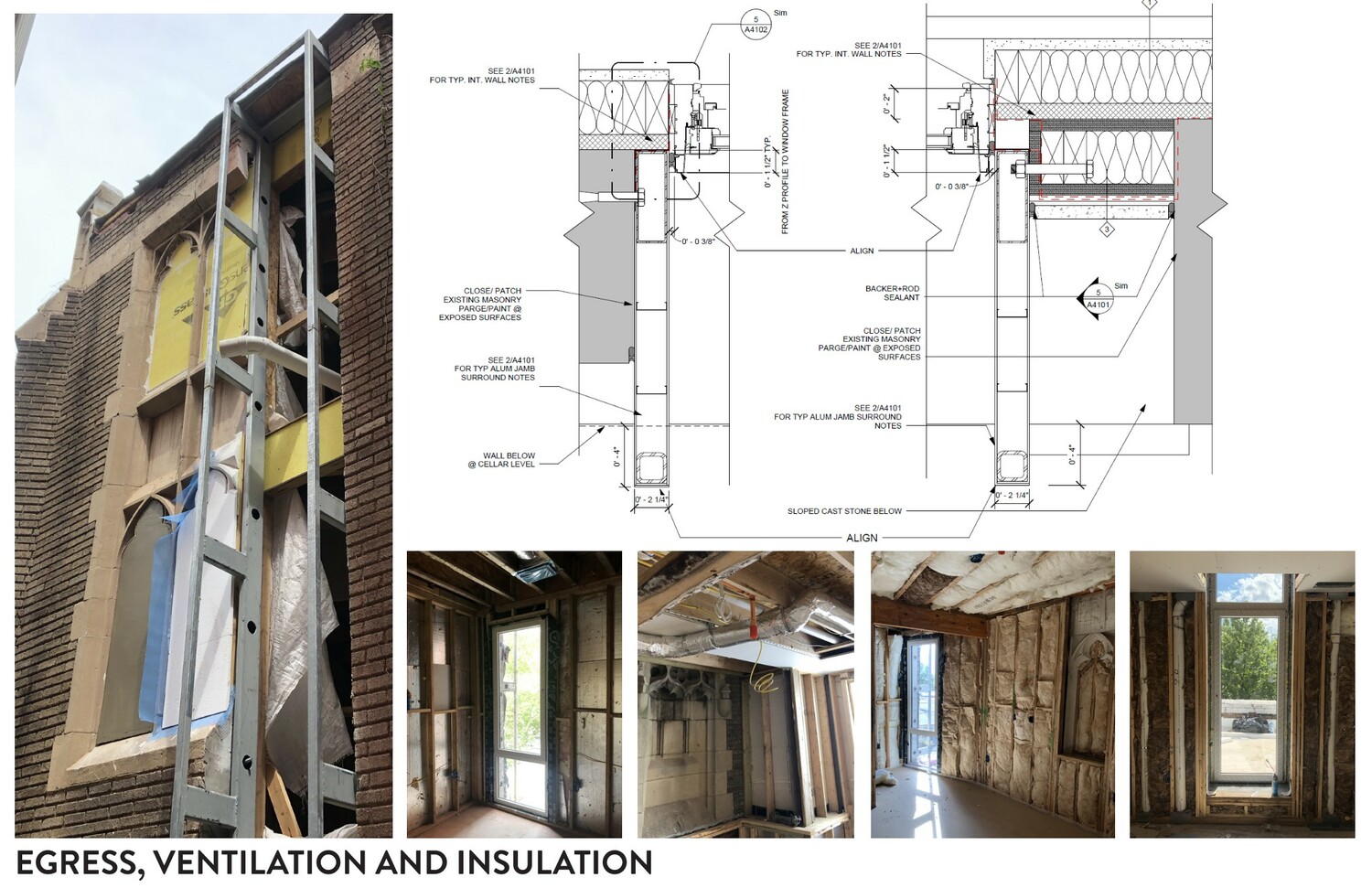
The technical challenges associated with reusing the building included introduction of new slotted window openings into the heavy masonry exterior while paying homage to the building's original architectural elements. The result is a bold balance of old and new and a unique approach for creating much needed housing for Washington, DC.
Co-Living: A New Model Of Affordability
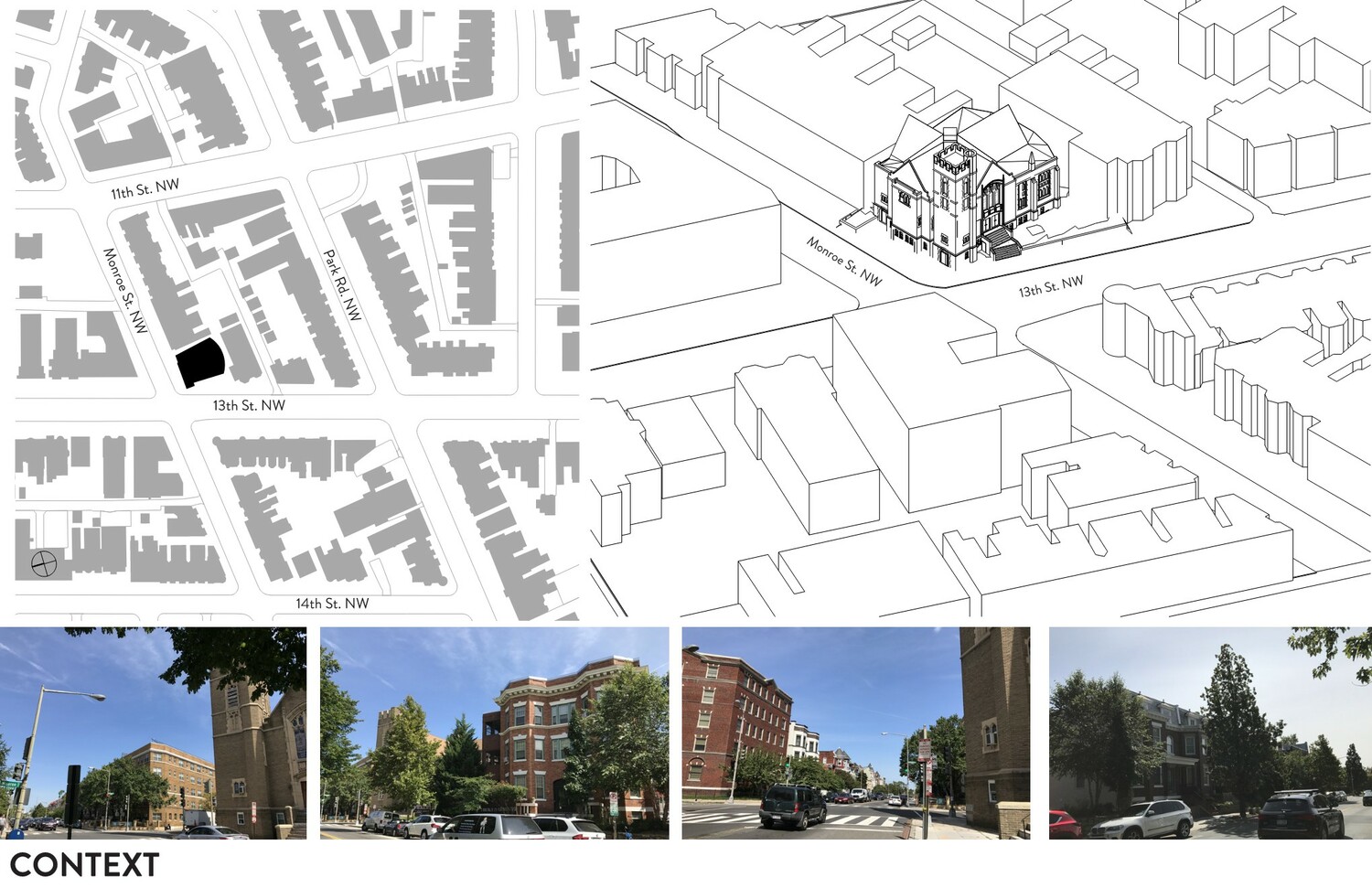
Washington, D.C. is struggling to meet projected housing demand for over 200,000 new residents anticipated by 2036.
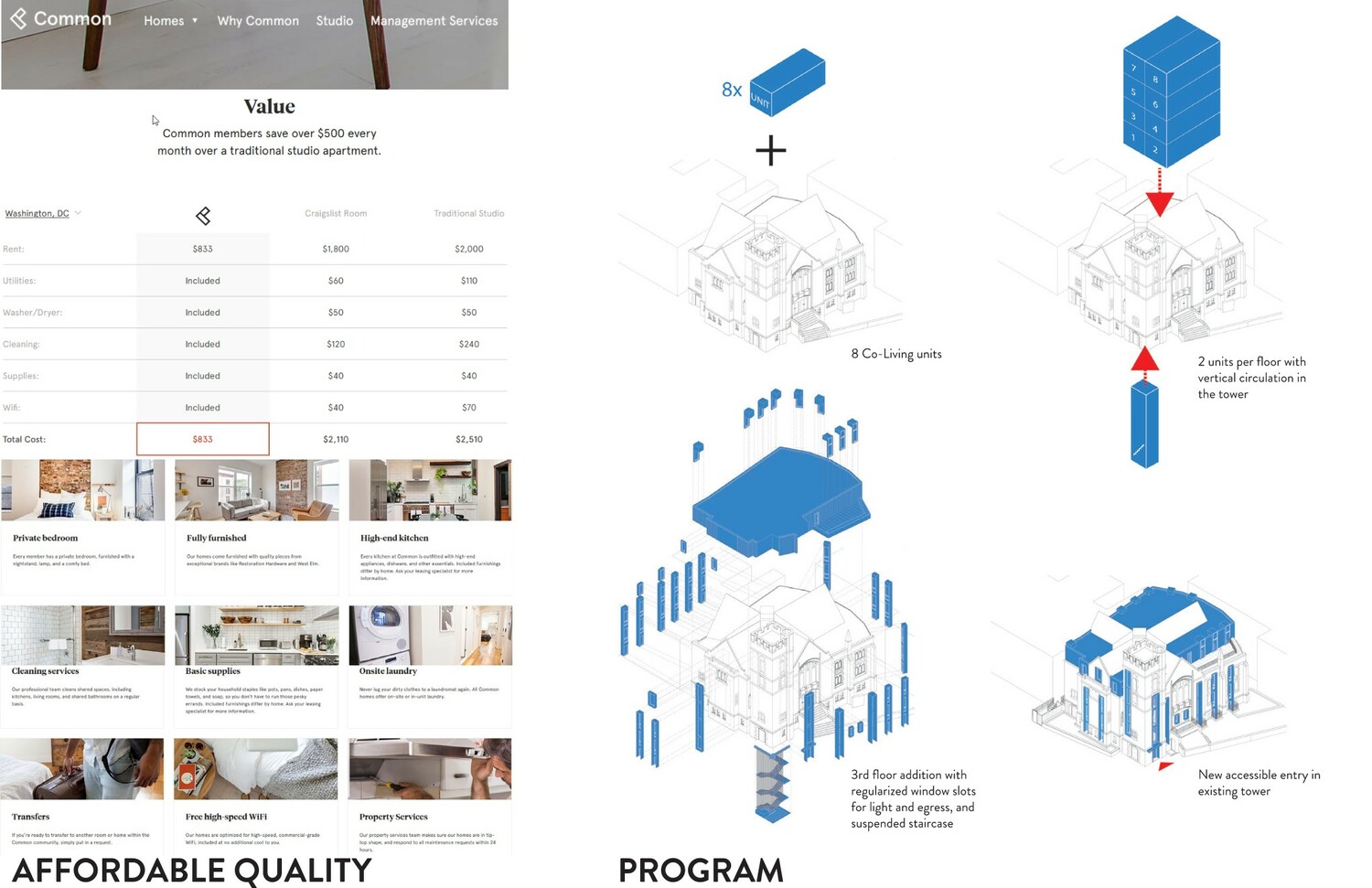
While living with roommates isn't new, organized "Co-Living" is a new model that responds to increased debt, high housing costs, and a desire to offset expenses. Cost-effective and ï¬exible, it allows tenants to rent sleeping rooms in larger-scale units.
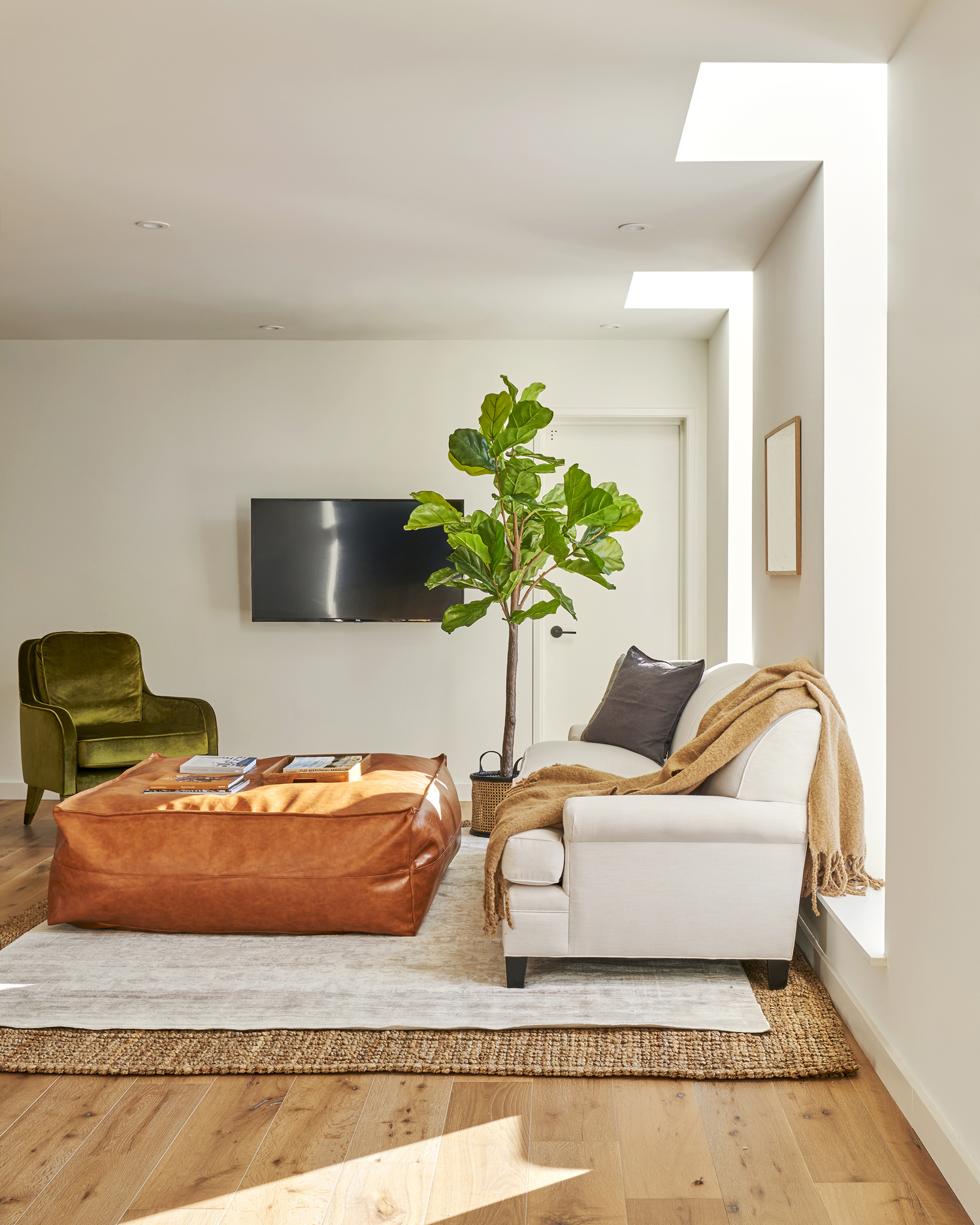
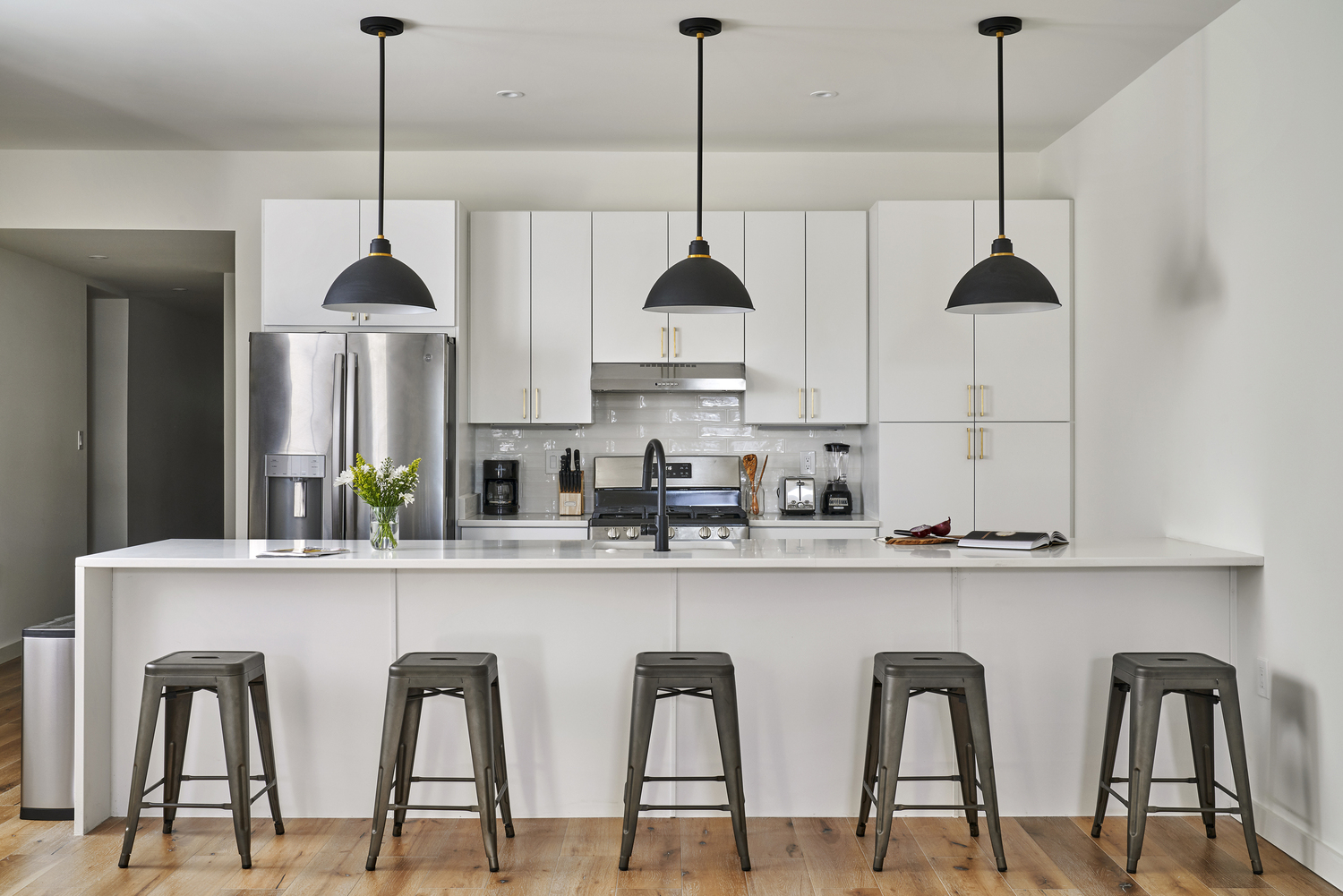
Unlike traditional apartments, co-living uses individual leases instead of a master lease; shared kitchens, living rooms, and common areas provide community, while private bedrooms and bathrooms offer a degree of independence.
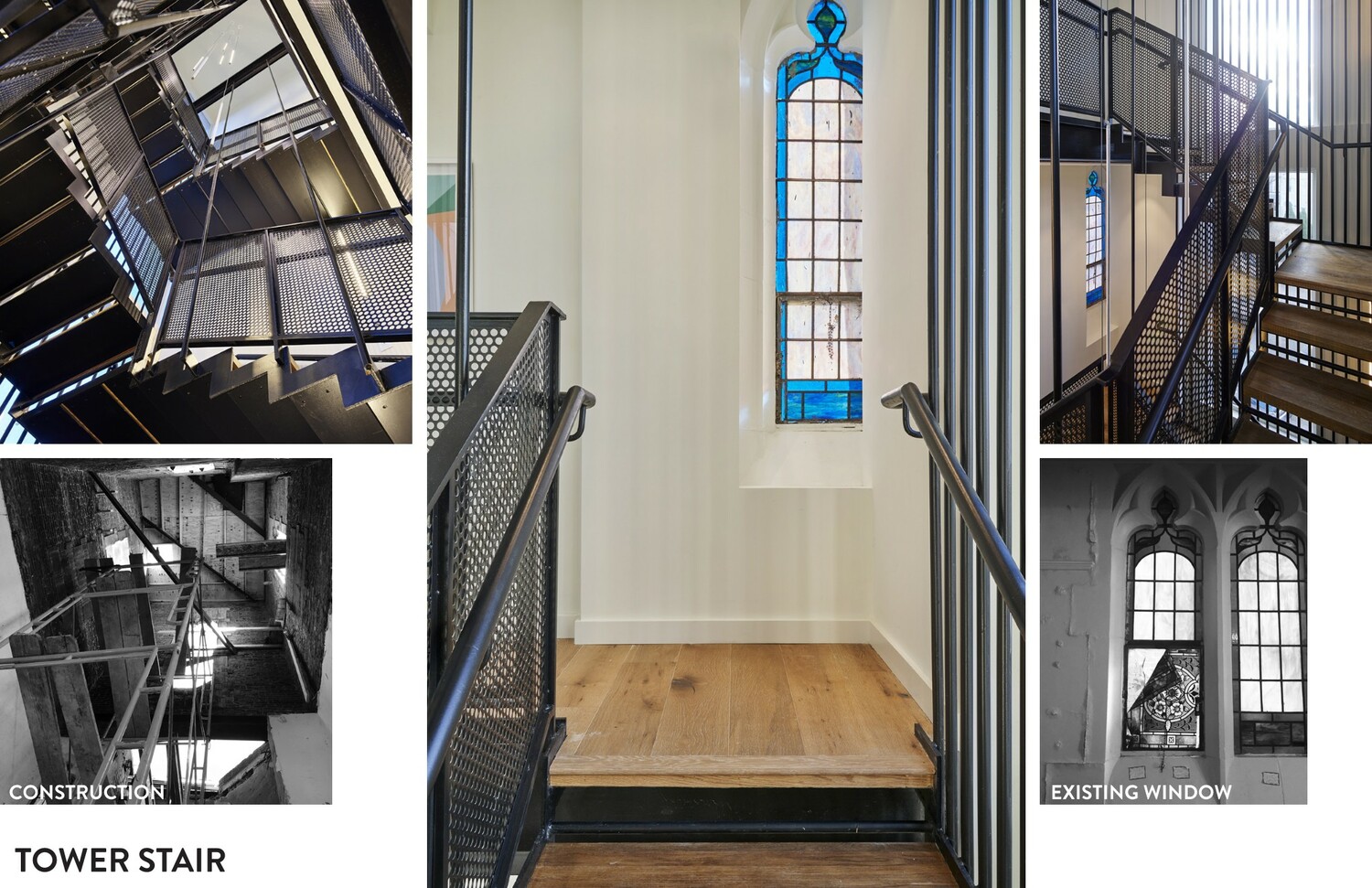
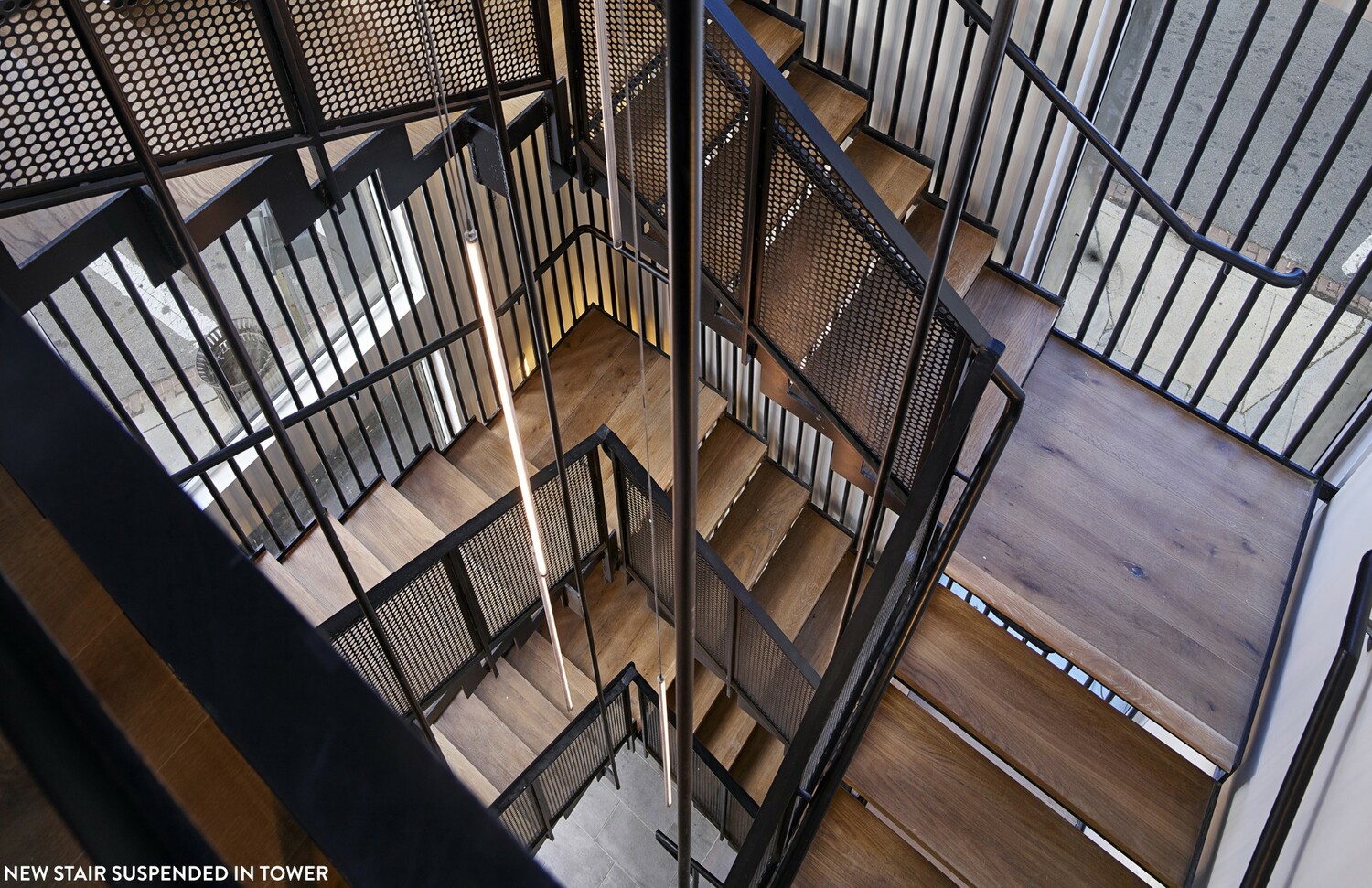
The structurally complex challenge of accommodating this new type of residential uses in a grand but damaged worship space required subtle insertions that meet the demands of shared living while adhering to the city's standards for retaining signiï¬cant architectural deï¬ning features.
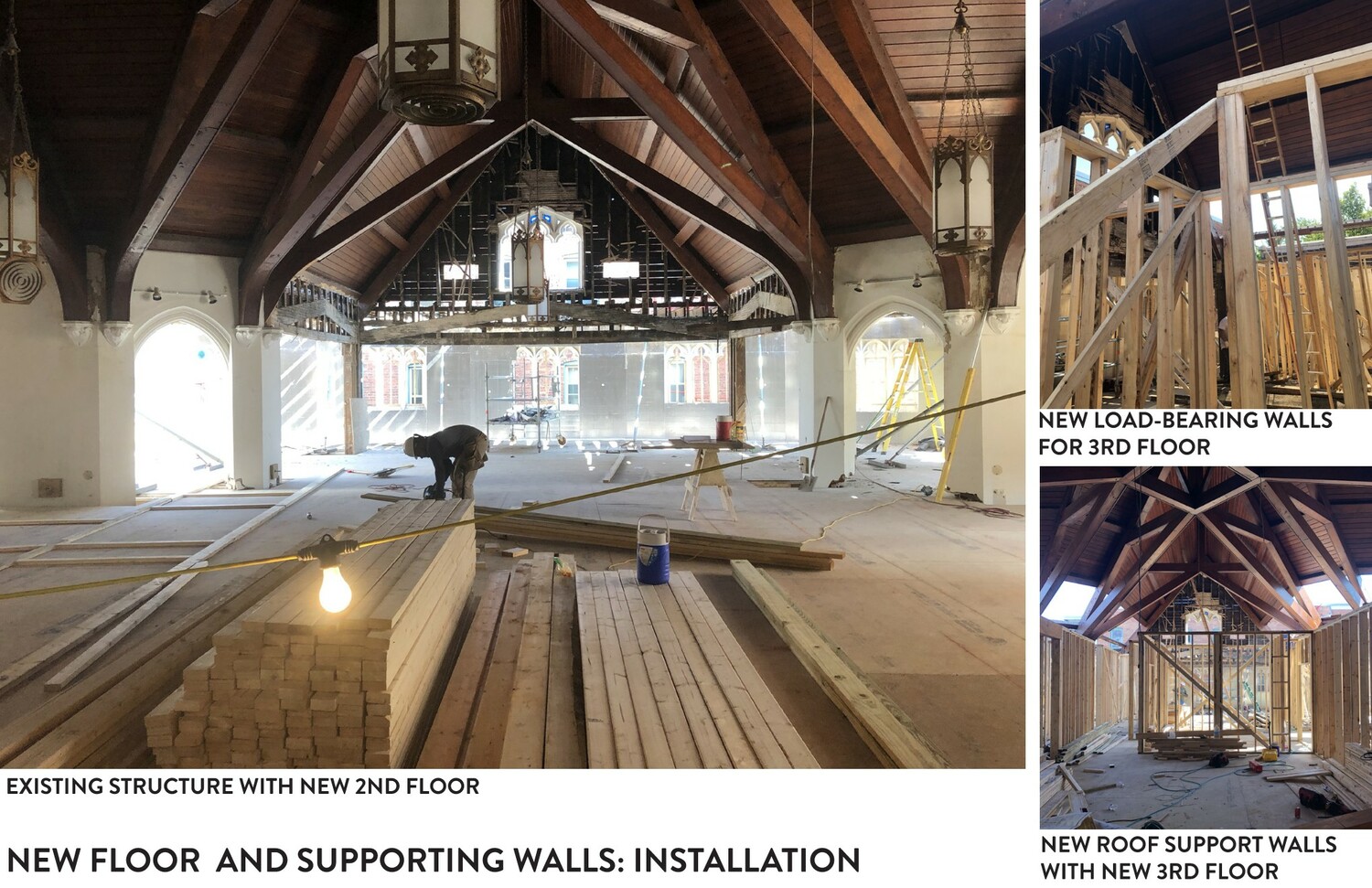
The project balances a desire to retain significant architectural features with the need to introduce residential uses into a monumentally scaled assembly space. This required reconfiguration and structural repairs of damage suffered during the 2011 earthquake, as well as the insertion of two new floors, including a new uppermost level, into what had been the exposed rafters of the assembly space.
To accomplish this, the roof ridge and primary structural elements were temporarily shored in place while existing balconies and structure were removed.
New load-bearing walls and floors were then inserted into the masonry shell, and a metal clad box was added at the top floor to increase floor space and enable introduction of a new roof terrace alongside a restored pinnacle which had been damaged during the earthquake.
The team worked to restore the structure's damaged shell, as well as significant interior and exterior ornamentation, creating a tension between old and new details.
The result is a striking balance further reinforced by the exterior's light and dark palette, which helps differentiate the new slotted windows and roof additions from the heavy masonry of the original structure.
Project Team List:
- Owner/Developer: Outlier Development (No longer in existence)
- Builder: Harbour Builders
- MEP: MCE Engineers
- Structural: Ehlert Bryan Engineering